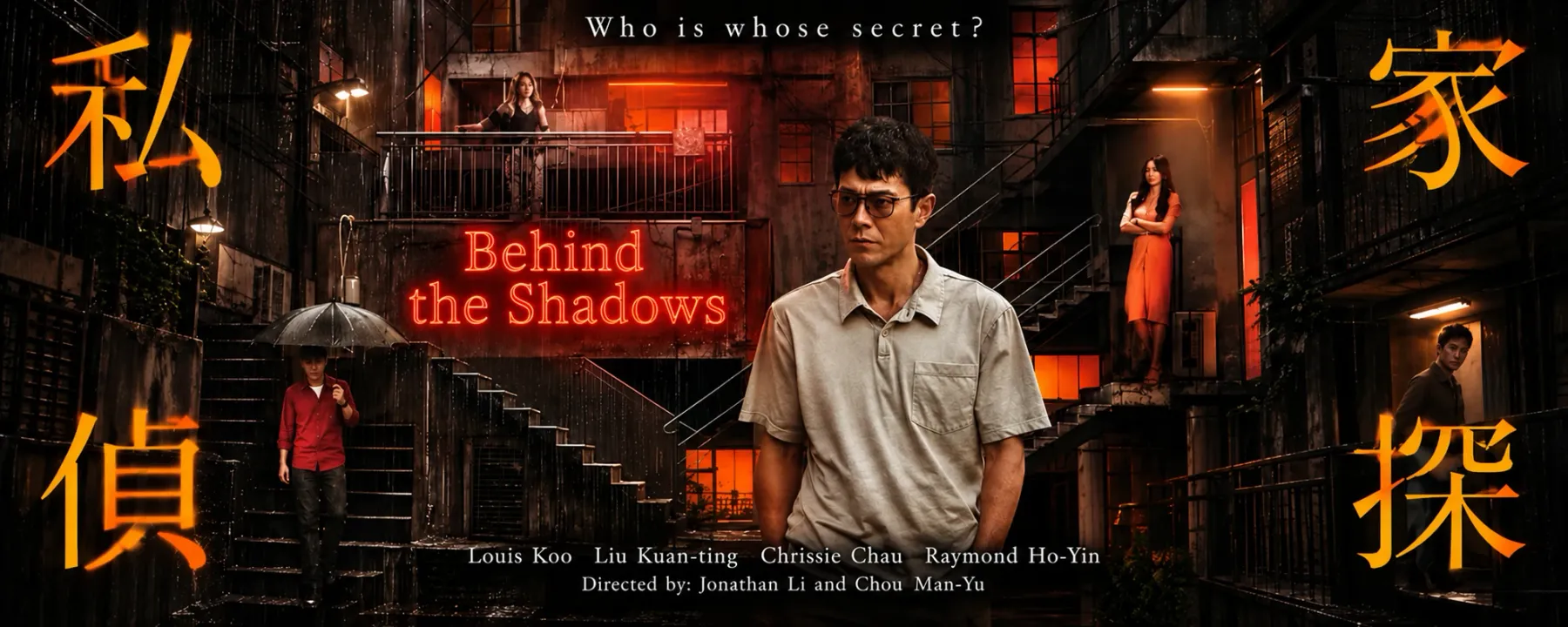
Part crime film, part thriller and part marital drama, Behind the Shadows (2025) draws on the aesthetics of film noir. Jonathan Li Tsz-Chun directed alongside screenwriter Chou Man-Yu, who makes his directorial debut here. The cast includes Louis Koo, Liu Kuan-ting, Chrissie Chau Sau-Na, Raymond Wong Ho-Yin, Yumi Wong and Renci Yeung. At the 44th Hong Kong Film Awards in 2026, the film received three nominations, for Best Director, Best Screenplay (Chou) and Best Actor (Koo). It went home empty-handed.
Twenty years ago, Au Yeung Wai Yip (Louis Koo) was a successful private detective in Hong Kong. He moved to Malaysia to be with his wife, Kuan Weng Sam (Chrissie Chau), and now spends most of his time tailing unfaithful women and looking for missing pets. Everything changes when one of the women he is following is murdered. The police investigation is led by Detective Chan (Liu Kuan-ting), who has been hunting a serial killer for some time. It soon becomes clear that Chan is having a hard time in his personal life too. His wife is in a coma in hospital. Meanwhile, Au Yeung takes on more assignments, one of them from a man who suspects his partner of cheating on him. The woman, to Au Yeung’s surprise, turns out to be his own wife.
I completely understand why Louis Koo was nominated and can see the case for the directing nomination, but the one for the screenplay seems a bit of a stretch. The plot sounds interesting on paper, yet none of its main strands is fully satisfying. For one thing, the killer’s identity is revealed around forty minutes in, with an hour still to go. That takes all the force out of the mystery. At that point, the tension should come from watching the protagonist go up against an adversary whose identity the audience now knows, but the subsequent contest between detective and killer comes down to four scenes. Two of them are fairly substantial – the sequence in which Au Yeung and his friend tail the killer, and the climax – yet the whole thing leaves you wanting much more. The film gives up its only real source of suspense too early and offers virtually nothing in its place.
That is because the investigation and the detective plot are chiefly there to draw the audience in. The film’s thematic centre is the marital drama. The protagonist’s job offers a promising starting point. A man who makes his living uncovering other people’s secrets cannot communicate with the person he shares a flat with. His successive cases could have deepened that paradox, while the crime plot could have gradually revealed the limits of his understanding of others. Unfortunately, as the emphasis shifts towards romantic relationships, the script’s dramatic weaknesses become increasingly apparent, along with the one-sidedness of its portrayal of women and men.
Au Yeung has gone at least three months without having a conversation with his wife. He just comes home, avoids talking, watches the football and ignores her altogether. The film links his behaviour to a sense of failure at work and in his personal life. The work he does now is a shadow of what he once did in Hong Kong. His wife earns decent money, but they cannot afford to have children, and he struggles to be the man he would like to be. All of this could have been the basis for an interesting portrait of a crisis of masculinity. The trouble is that explaining the protagonist’s behaviour too often becomes a way of excusing it. It is hard to shake the feeling that the filmmakers expect Au Yeung’s wife to show a great deal of understanding for his frustration, while they themselves give no thought to what it means for her to live with a man who shuts her out completely.
The same imbalance recurs in the other storylines. The murderer kills because his own wife never apologised for cheating on him. Even the supporting characters have problems with women and, the film suggests, because of them. The infidelity cases the protagonist takes on all focus on women. The sole case involving a man who cheated began before the events depicted in the film, and even there his wife is hardly portrayed in a favourable light. It all adds up to an unfortunate implication, to put it mildly. Men’s infidelity is a thing of the past, while the problem today is unfaithful, ungrateful women. The filmmakers give a nod to the need for communication to go both ways, yet when one of the women explains to Au Yeung that women want to be heard, the immediate reply is that men need to be understood too. The point is valid, of course, but in the context of the film as a whole it marks yet another return to men’s grievances, when it could have prompted a closer look at what both sides are going through.
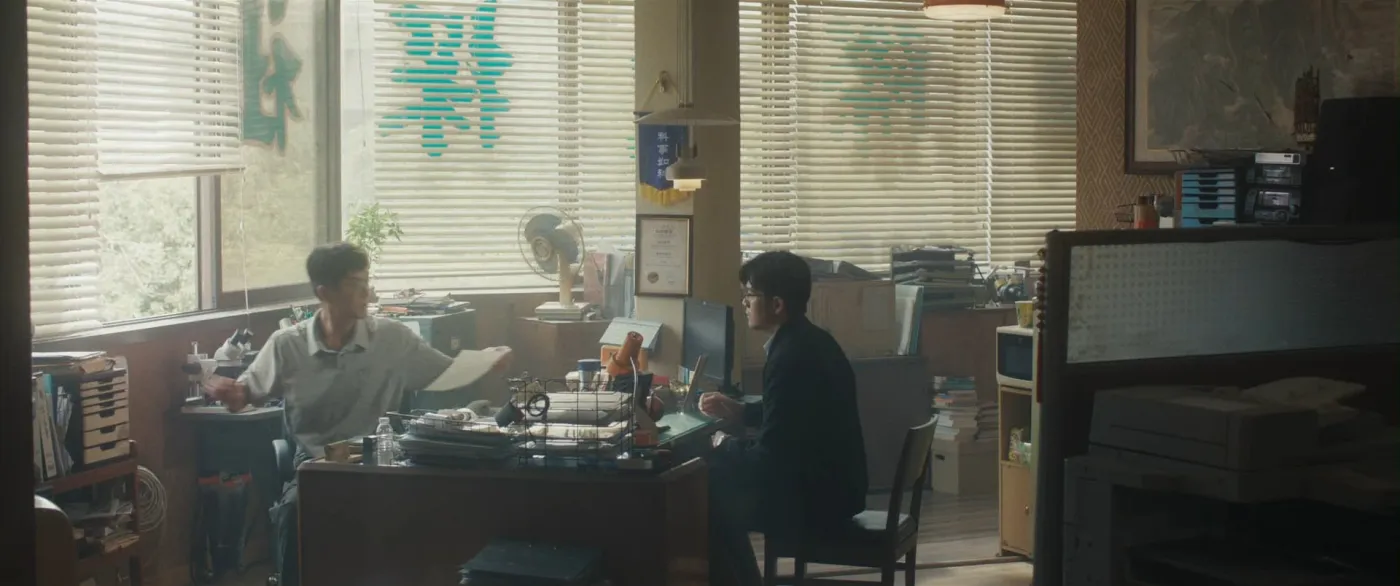
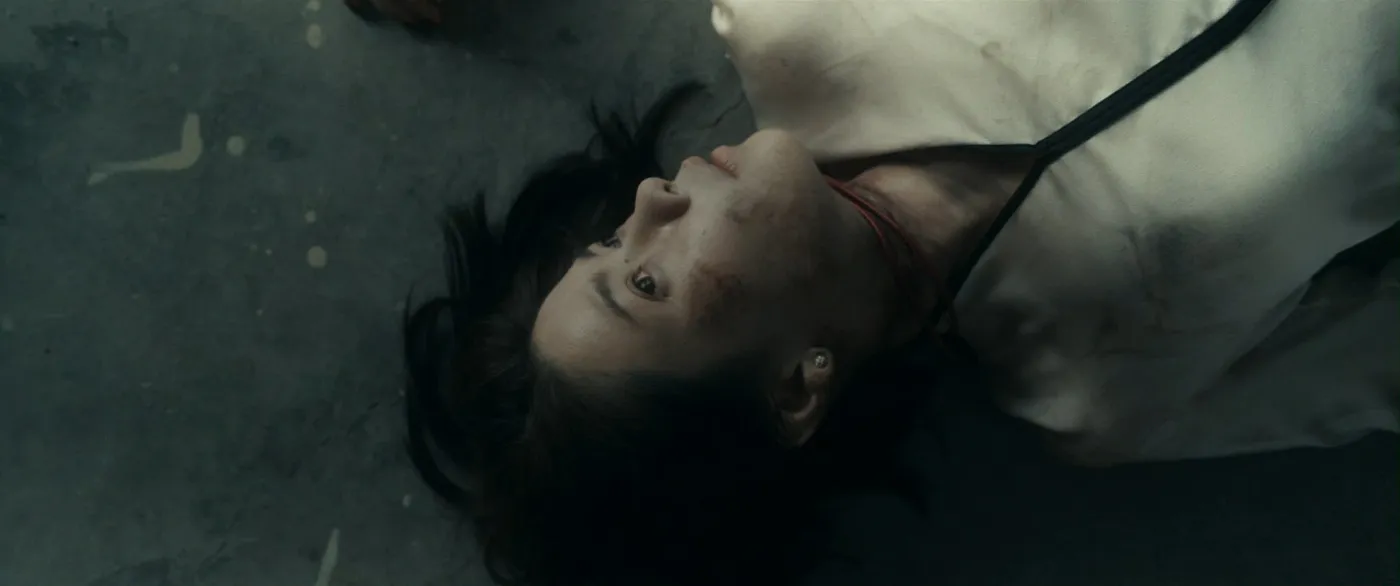
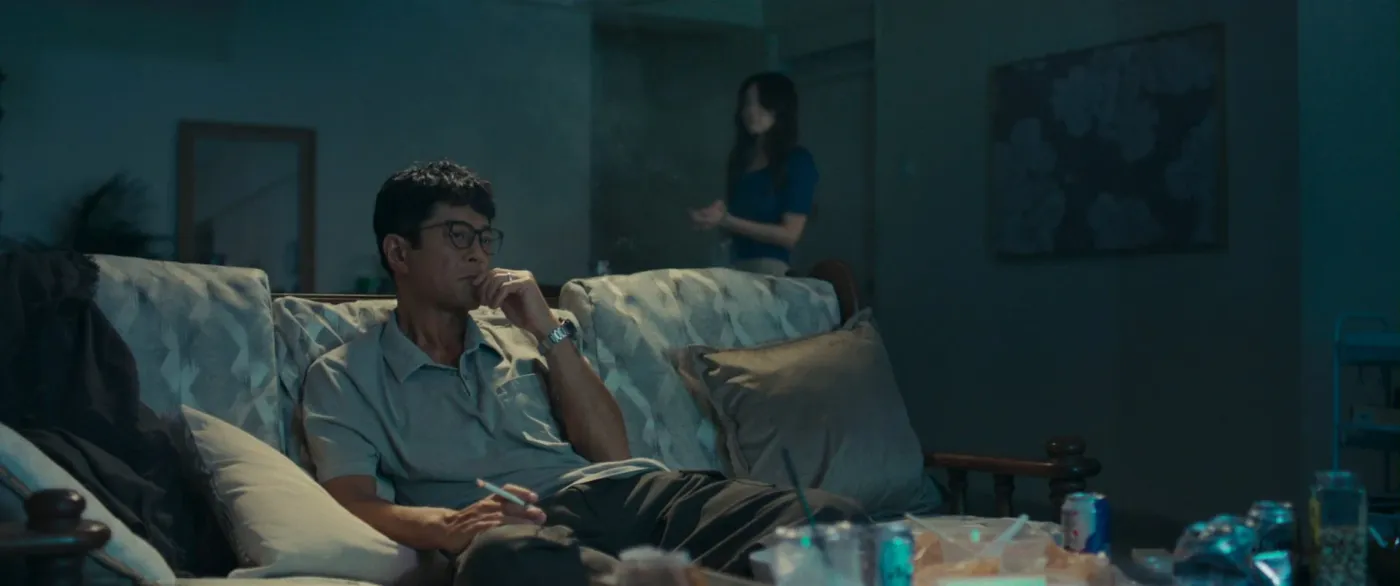
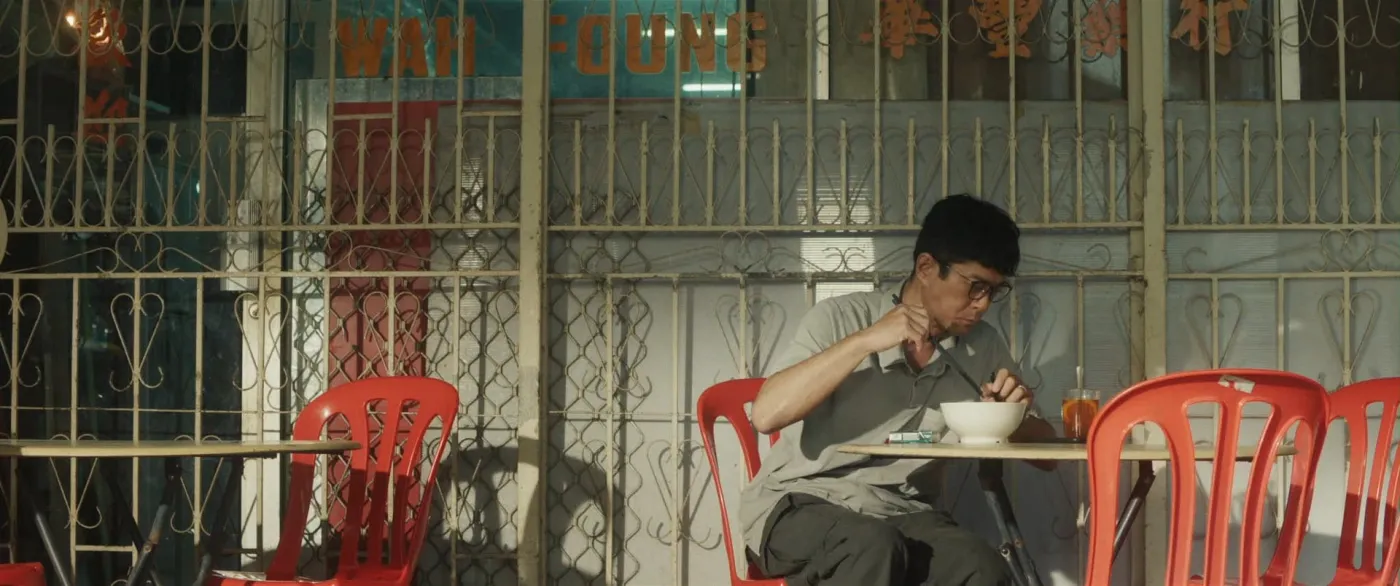
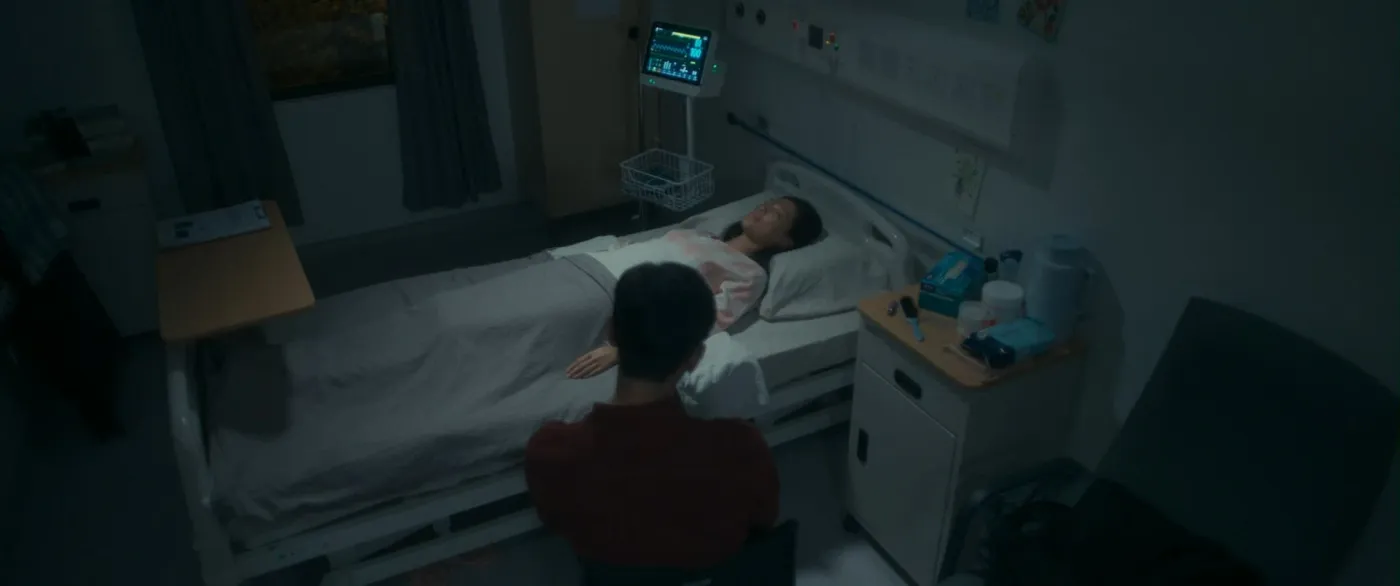
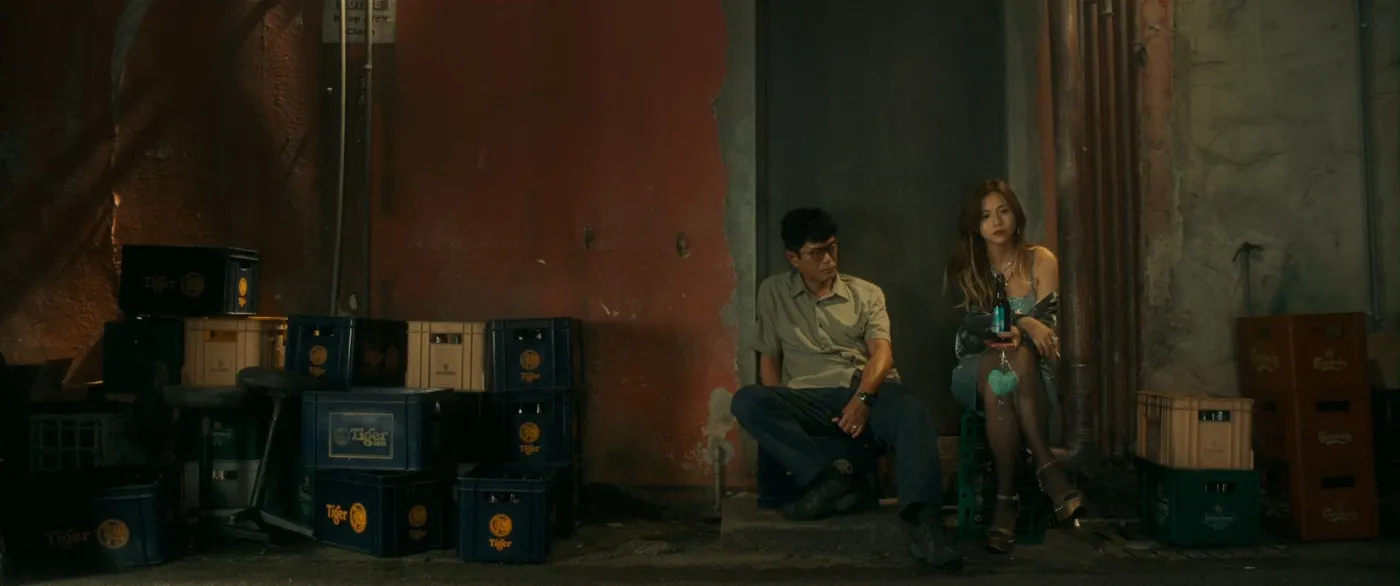
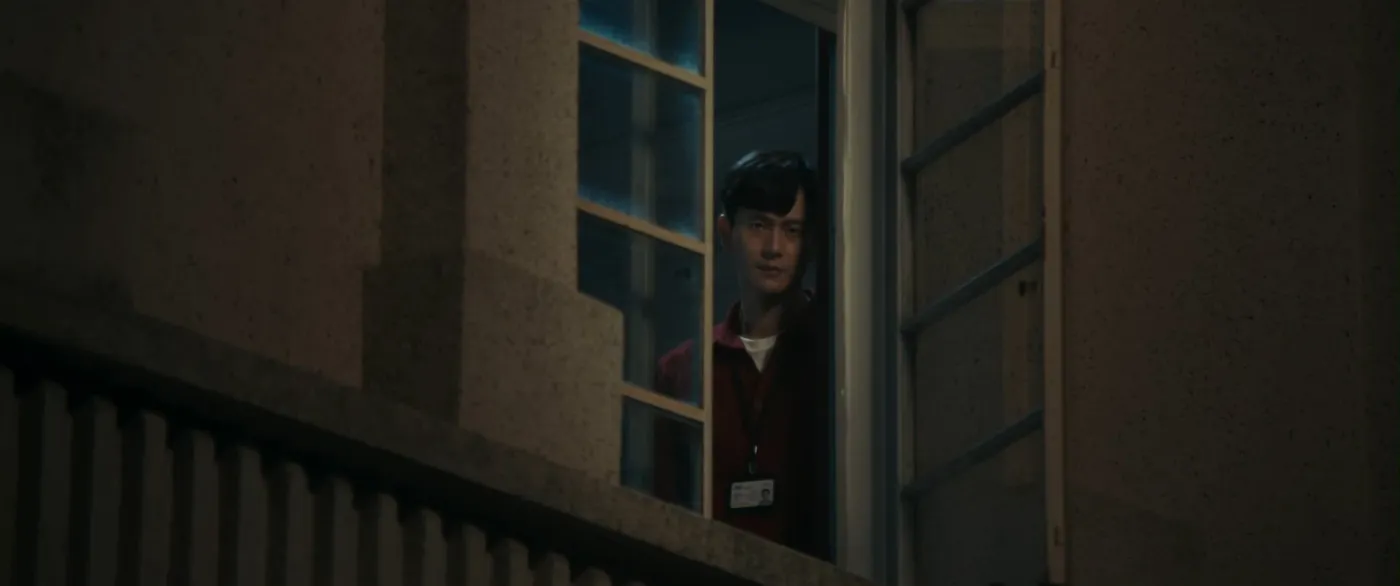
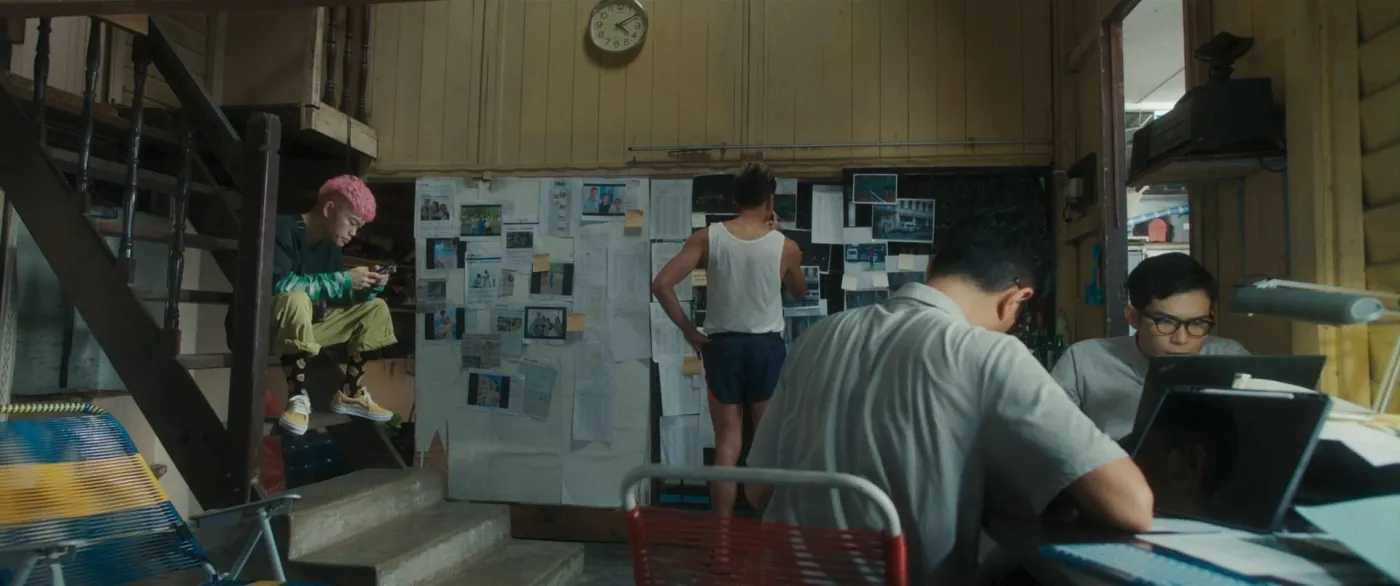
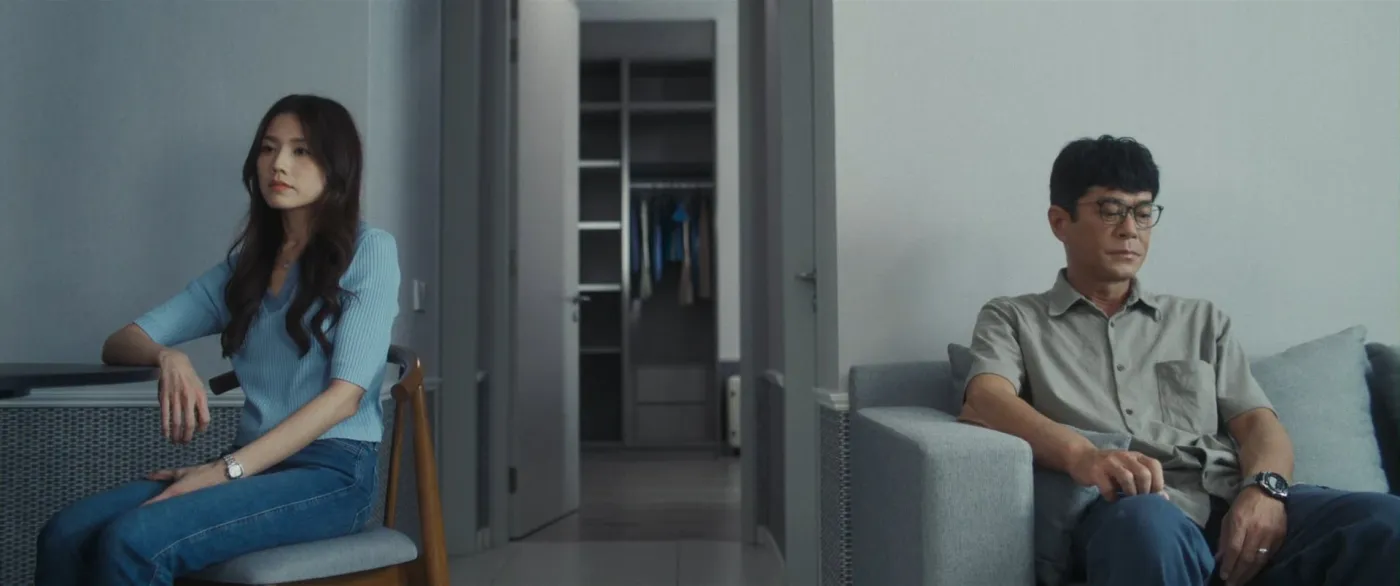
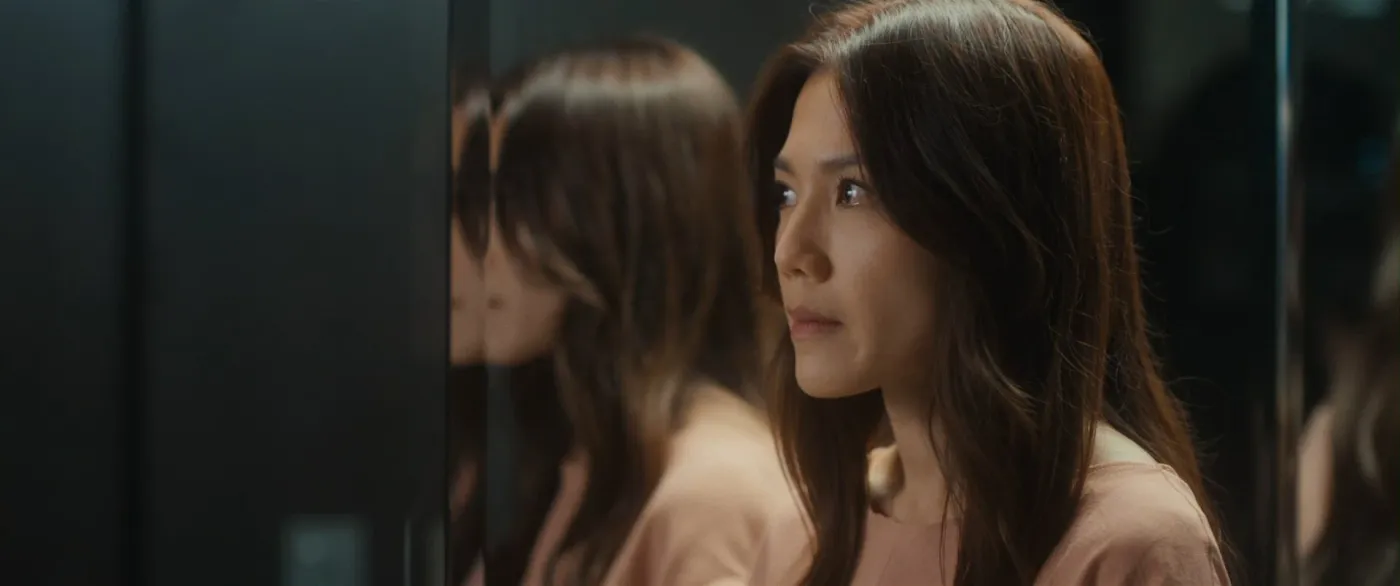
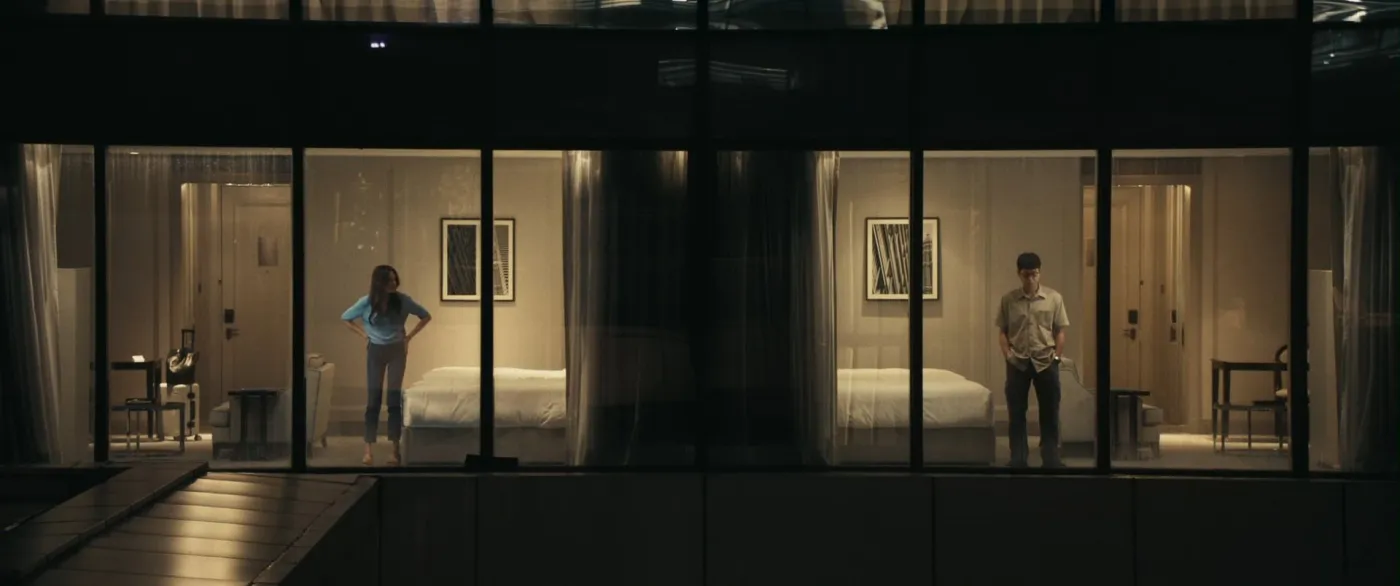
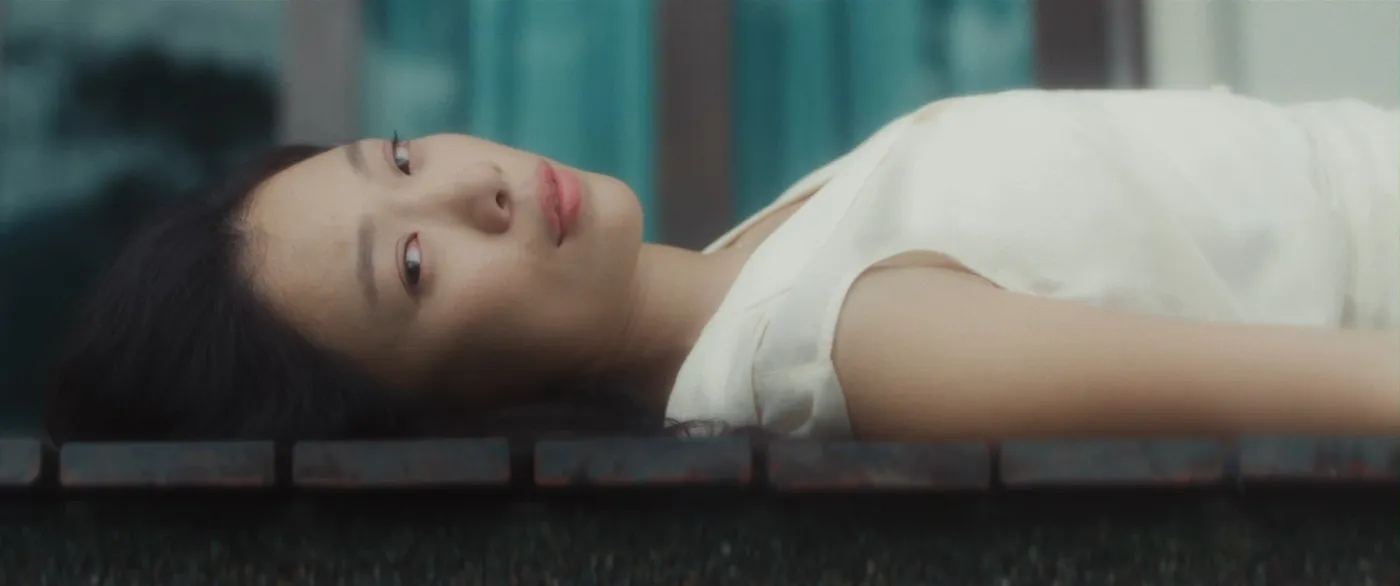
Particularly troubling is the claim made near the end that, in the entire series of abductions and murders, there was only one real victim. She is the woman who was killed because the murderer wrongly assumed she had been unfaithful to her partner. Seen in light of the earlier emphasis, the remark reinforces the uncomfortable impression that the film judges its murder victims’ innocence by wildly different standards, depending on their fidelity and even their sex. Behind the Shadows depicts a world full of wronged, misunderstood men and mostly unfaithful women who are denied the status of victim. In effect, the film treats brutal murder as a fitting punishment for their marital infidelity. A few scenes encouraging men to communicate better with their partners do nothing to offset how one-sided the film is. So the marital drama, which the crime story is made to serve, turns out to be troubling in its message as well.
The crime plot itself is a disappointment too. The early revelation of the killer’s identity, the coincidences and the implausible turns weaken it before it even reaches the climax. The contest with the murderer is suddenly cut short even as it looks increasingly difficult to win. The ending turns up the melodrama and does little to make up for the earlier lack of tension. The emotional resolutions feel unduly forced, and bringing the story of the crimes together with one about relationships in crisis gives neither a satisfying conclusion.
It is interesting, too, how differently audiences in Hong Kong and mainland China responded to the shift in emphasis from crime to drama. Writing on the Chinese platform Sohu on 4 June 2025, one reviewer was scathing about the plot, the lack of spectacle and the acting. I agree with some of the objections, but it seems rather wide of the mark to expect chases, explosions and elaborate fights from a film marketed as a neo-noir thriller. I find the criticism of the uneven pacing and lack of tension more persuasive. Some commenters on the Hong Kong platform HKmovie6, meanwhile, rated Au Yeung’s conversations with his wife more highly than the investigation itself. They praised Koo’s and Chau’s performances while also finding the film short on suspense. The difference in reception largely comes down to whether the marital drama feels like a satisfying direction for the film to take or a thread that displaces the promised mystery without offering enough in its own right.
The picture is more complicated than a simple split between a negative reception in mainland China and a positive one in Hong Kong. Kantorates of Hong Kong’s Cinespot appreciated the film’s interest in how couples struggle to communicate, but even he pointed out that Chau’s character was written from a male perspective. She largely reflects what men imagine women think, with little sense of a point of view of her own. I see it much the same way. The subject of Behind the Shadows goes beyond the hunt for a serial killer, but I find the way the film develops it unconvincing, both as a portrait of a marriage and as a wider comment on gender relations.
For all those reservations, the film has its merits. Louis Koo’s performance is genuinely good. He may be playing a private detective, but he comes across first and foremost as an ordinary man, which makes it easy to root for him even when his behaviour is hard to accept. That gap between sympathy for the character and judgement of his conduct could have been one of the film’s greatest strengths, had the script made more consistent use of it. Chrissie Chau is very good as well. I think her performance deserved at least a nomination for Best Supporting Actress. The character may be limited as written, but that takes nothing away from the performance itself.
Some of the investigation scenes are also compelling and atmospheric, and at times they really do build tension. I would single out the discovery of the killer’s identity and the sequence in which he is followed. The film can be visually striking, too, making very good use of its Malaysian locations, including the area around Kuala Lumpur. In these passages there is the potential for an intimate crime film built on observation, uncertainty and the gradually narrowing distance between the protagonist and his adversary. Ultimately, though, Behind the Shadows is a rather disappointing film. It has strong performances and a few good sequences, but the crime plot is too weak and the marital drama too one-sided.
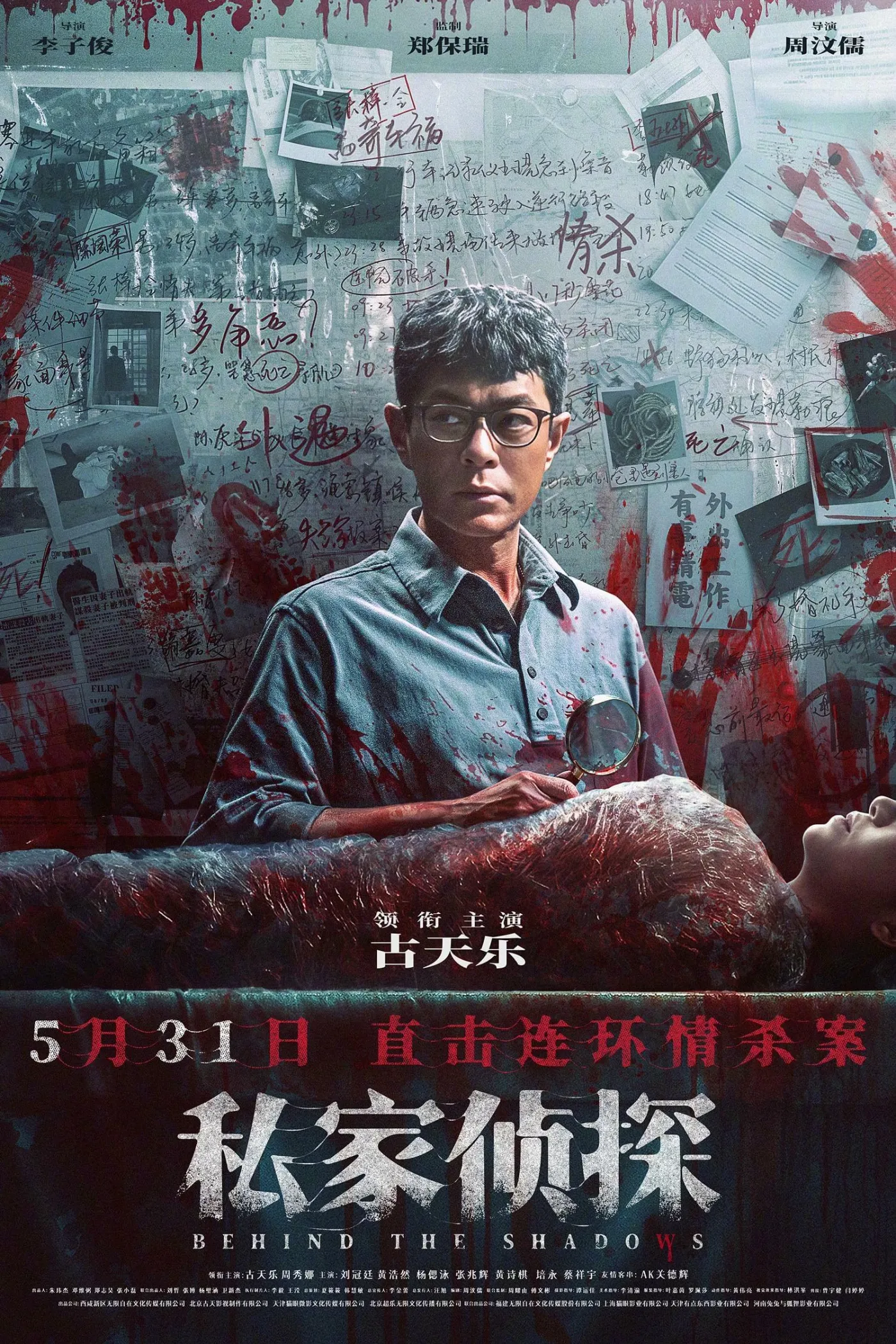
Behind the Shadows
私家偵探 / Si Gaa Zing Taam (lit. Private Detective)
Direction: Jonathan Li Tsz-Chun, Chou Man-Yu
Screenplay: Chou Man-Yu
Cinematography: Tam Wan-Kai
Editing: Tsang Yu-Kin, Yan Tingting
Music: Hanz Au, Iris Liu
Production design: Fion Li
Producer: Soi Cheang
Production companies: One Cool Film Production, Wishart Media, Filmforce Studios, One Cool Film Sdn. Bhd.
Country: Hong Kong
Year: 2025
Running time: 103 min
Languages: Cantonese, Mandarin
Hong Kong theatrical release: 12 June 2025
Cast: Louis Koo, Liu Kuan-ting, Chrissie Chau, Raymond Wong Ho-Yin, Renci Yeung, Eddie Cheung, Yumi Wong, Auguste Kwan, Phei Yong and others.