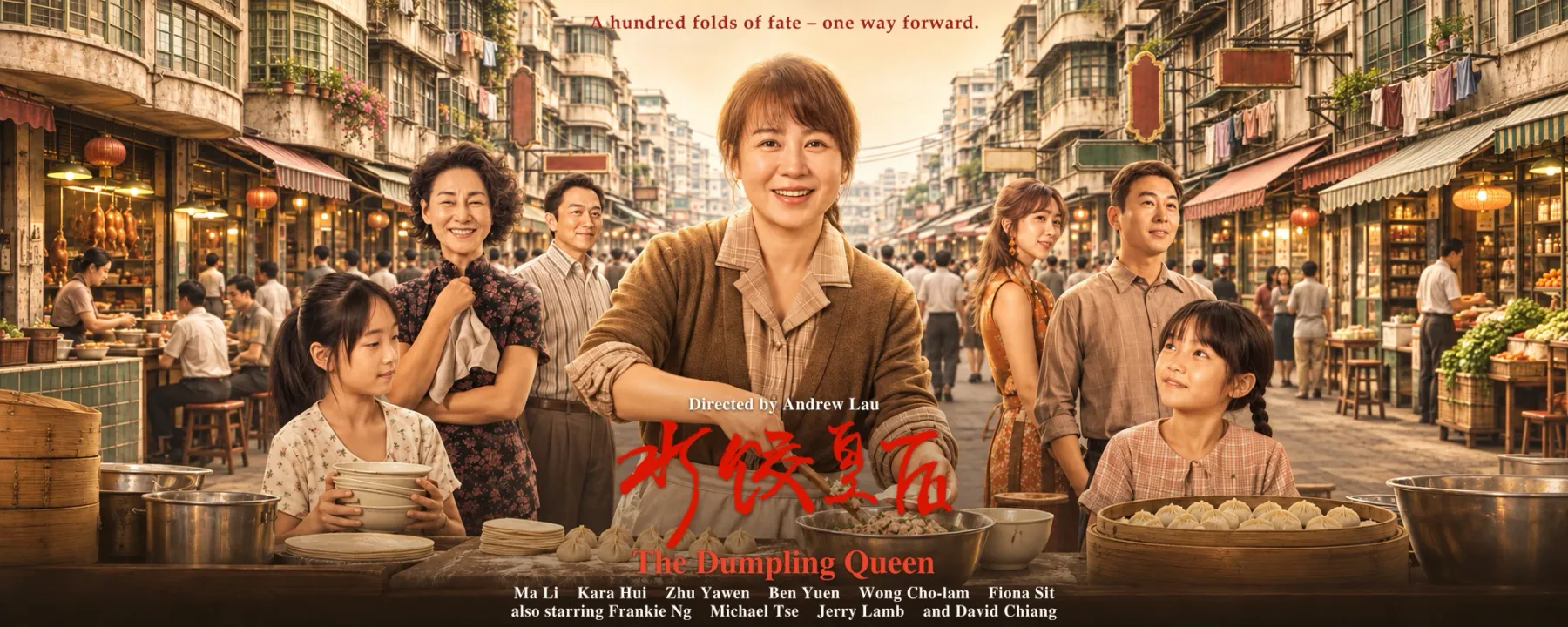
In The Dumpling Queen (2025), Andrew Lau Wai-keung recounts the life of an enterprising woman struggling to make a living in the Hong Kong of the 1970s and 1980s. He also looks back to the cinema of those years, through which many viewers first came to know the city. The result is a layered story that proves more engaging than it first appears.
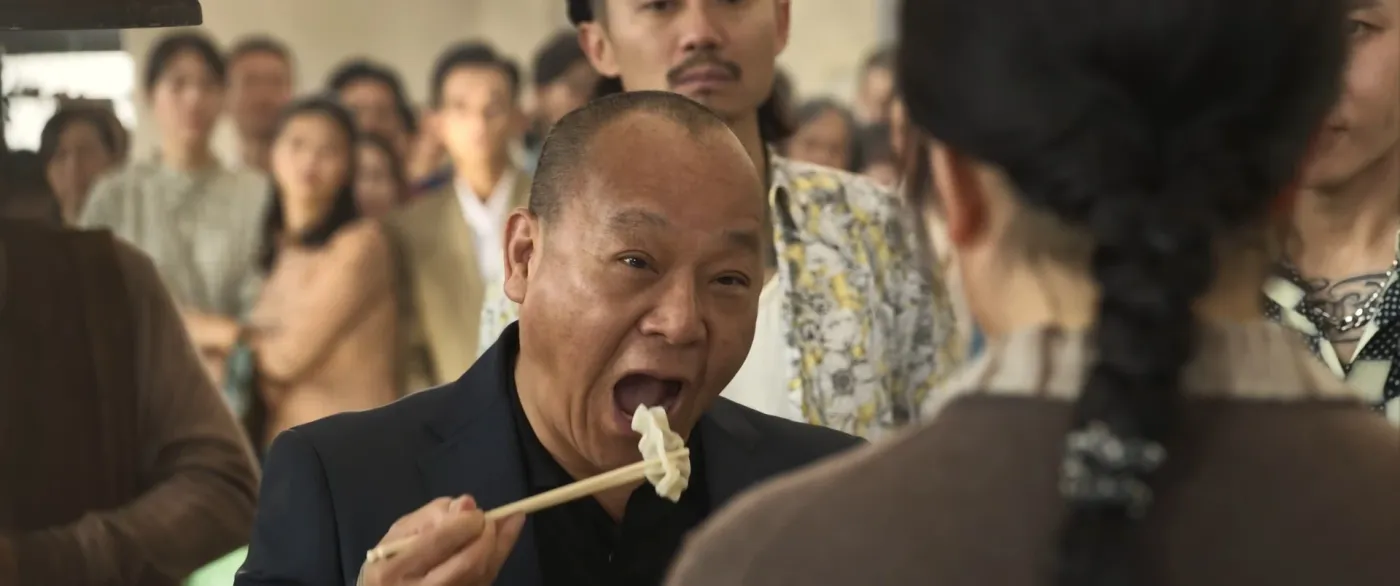
Born in Qingdao, Shandong province, in 1945, Zang Jianhe arrived in Hong Kong in 1977 without a word of Cantonese or a penny to her name, but with two hungry young daughters to feed. At first she supported her family by taking on various manual jobs. A back injury, however, left her unable to earn even a pittance. Then, on a friend’s advice, she began selling handmade dumplings by the Wan Chai ferry pier in 1978. Her dumplings were an unexpected success, and the stall grew into Wanchai Ferry, the company she founded. In 1985, Zang opened Hong Kong’s first frozen dumpling factory, and in 1997 she entered into a partnership with the American company Pillsbury. The Hong Kong press dubbed her the ‘dumpling queen’, and as early as 1995 TVB told her story in a series with the same Chinese title as Lau’s film.
Andrew Lau directed The Dumpling Queen and shares the cinematography credit with Wang Hao. His name primarily brings to mind the Young and Dangerous series, which helped shape the screen image of the triads from the mid-1990s onwards, and the Infernal Affairs trilogy (2002–2003), a touchstone of early twenty-first-century Hong Kong police cinema that he made with Alan Mak. Watching The Dumpling Queen, though, you are more likely to think of Hallmark television films than of Lau’s gangster films or his wuxia spectacles.
The film favours a warm palette and treats Zang’s ups and downs in a decidedly family-friendly tone. Lau jumps from one turning point in her life to the next without pausing for breath. A key detail can resurface in a flashback just a few minutes later, as though the director suspects his audience will pay scant attention. The pacing is odd, too. A fairly minor row with a neighbour in the corridor takes up several minutes, while the whole process of building an international brand is squeezed into a montage of a dozen or so seconds.
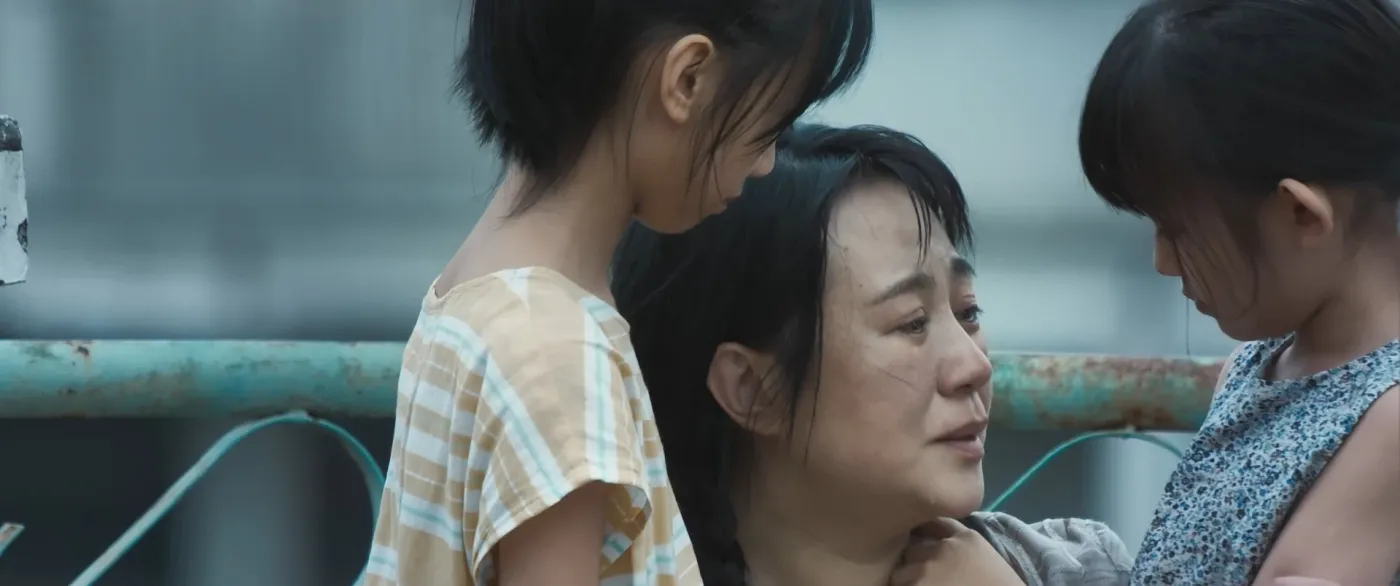
The Dumpling Queen quickly reveals itself as a nostalgic film. Its nostalgia works on several levels, and it can be felt by immigrants in Hong Kong, by Hongkongers themselves and even by fans of the city’s cinema. The protagonist of The Dumpling Queen is an immigrant. Her husband leaves her for another woman in Thailand because Zang has had two daughters instead of the son he was expecting. He leaves her with only the option of becoming his concubine. Zang turns him down and stays in Hong Kong with her daughters, taking a succession of badly paid jobs at first. Before long she has to start dodging the police when her permission to stay runs out. The film thus depicts the problems many immigrants faced in the 1970s and beyond. Lau intercuts these events with excerpts from old news programmes about immigration and police operations. There are echoes of Peter Chan’s Comrades, Almost a Love Story (1996) in the struggles of those arriving from the mainland, though that film’s story begins almost a decade later. The resemblance underlines how important the experience of immigration has been to many of the city’s residents.
Much of Lau’s nostalgia also comes from remembering how people helped one another then. Hong Jie (Kara Hui), the brusque landlady, rents Zang a room and gives her three months to make her first payment. The seller of sweet soups, played by Ben Yuen, suggests she start trading at the pier. Family bonds and solidarity among neighbours are among the film’s most predictable themes, but they come across naturally enough, and Lau resists the temptation to lay them on too thickly.
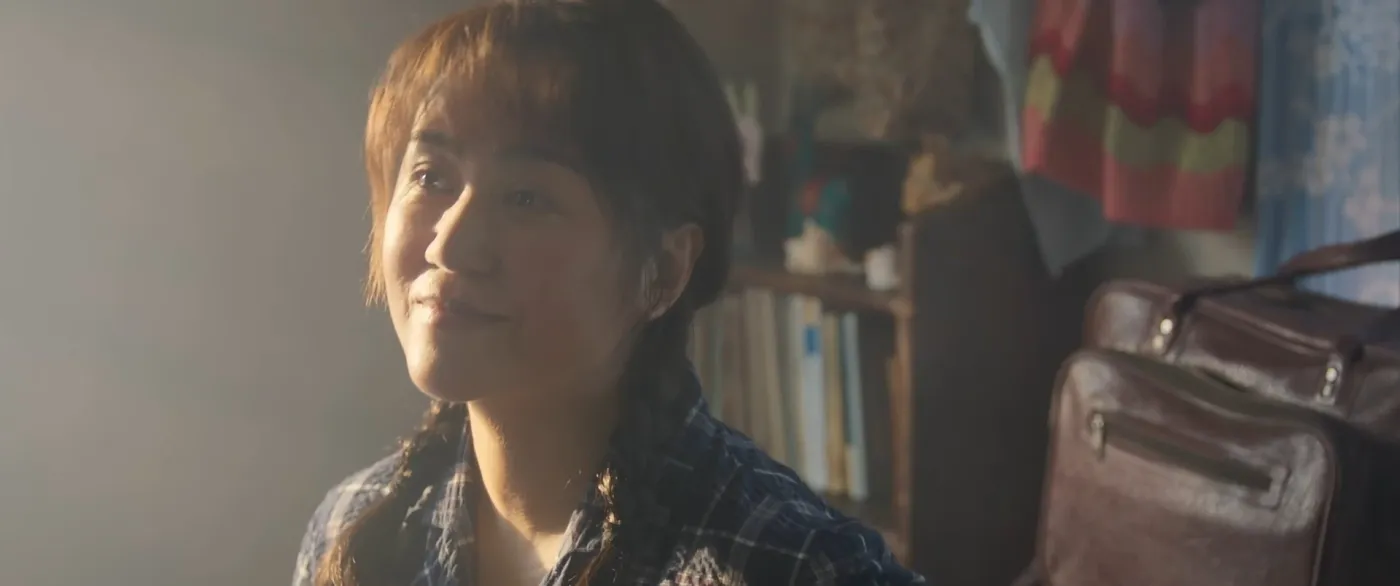
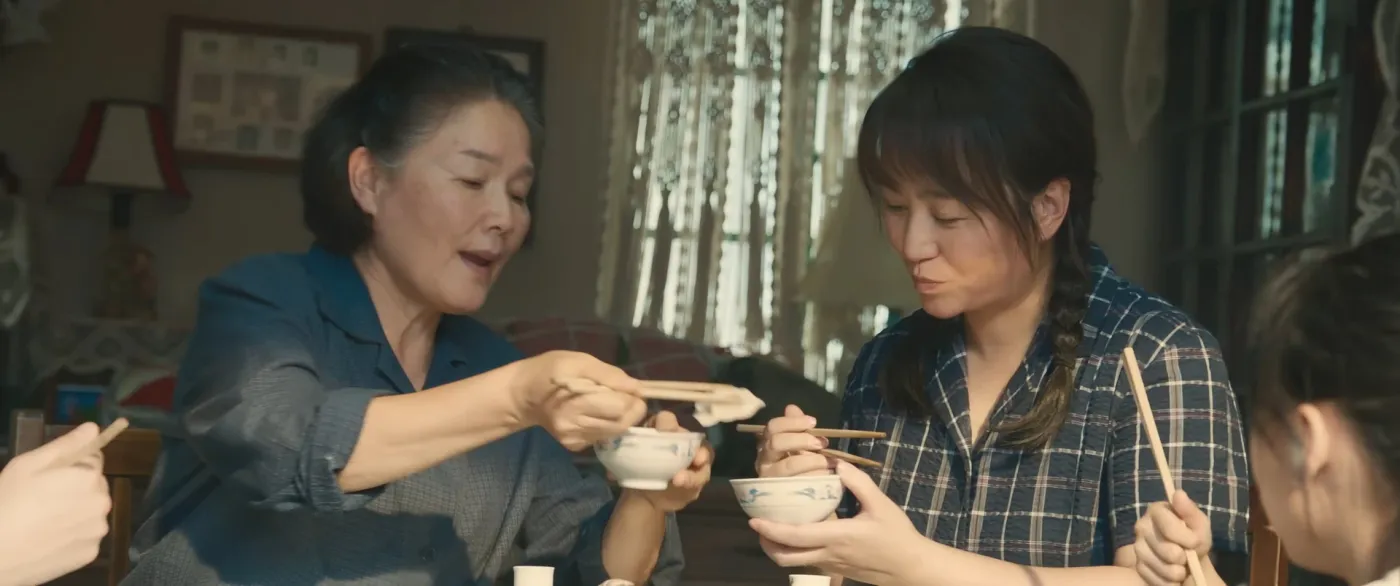
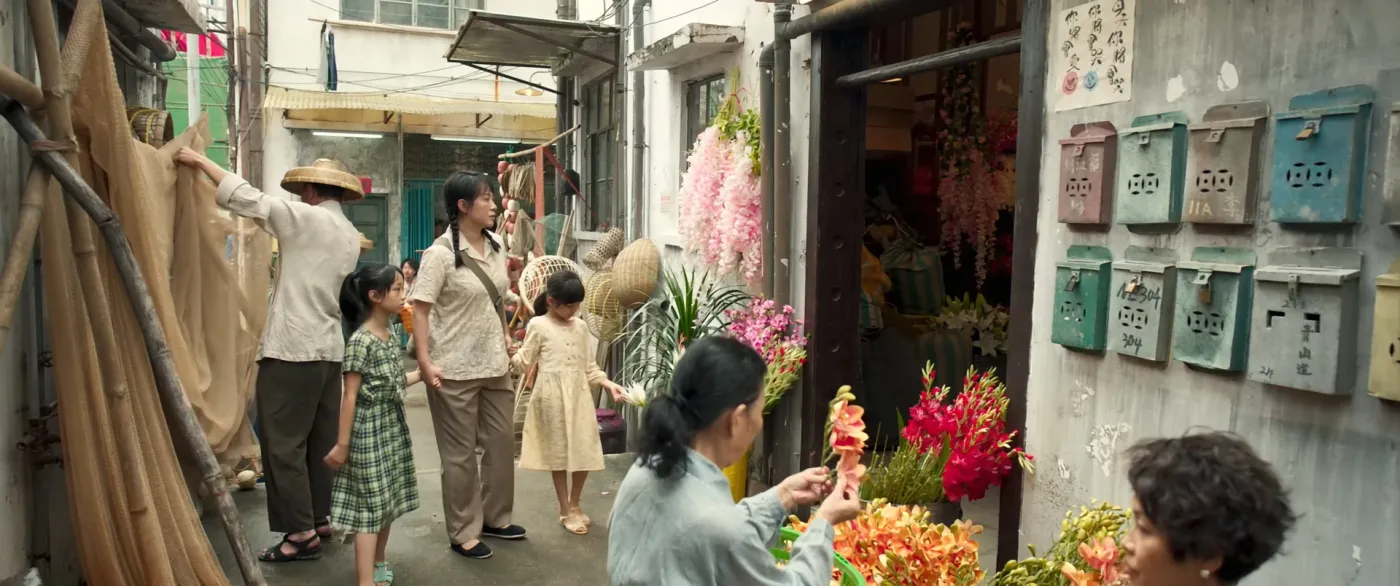
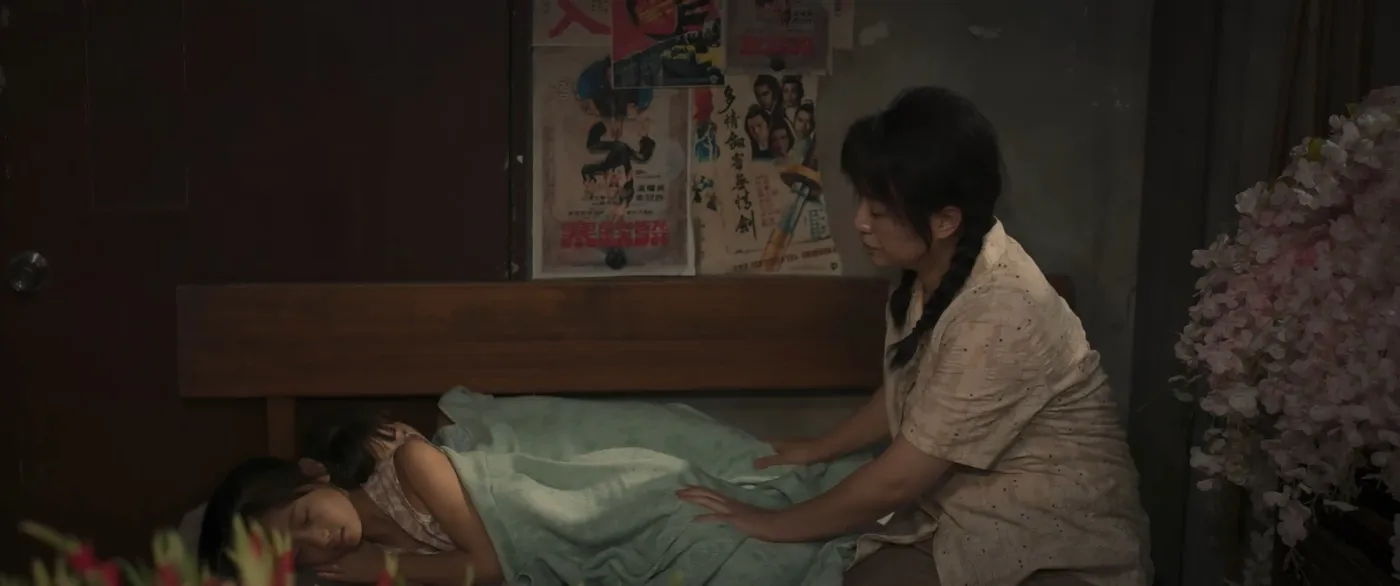
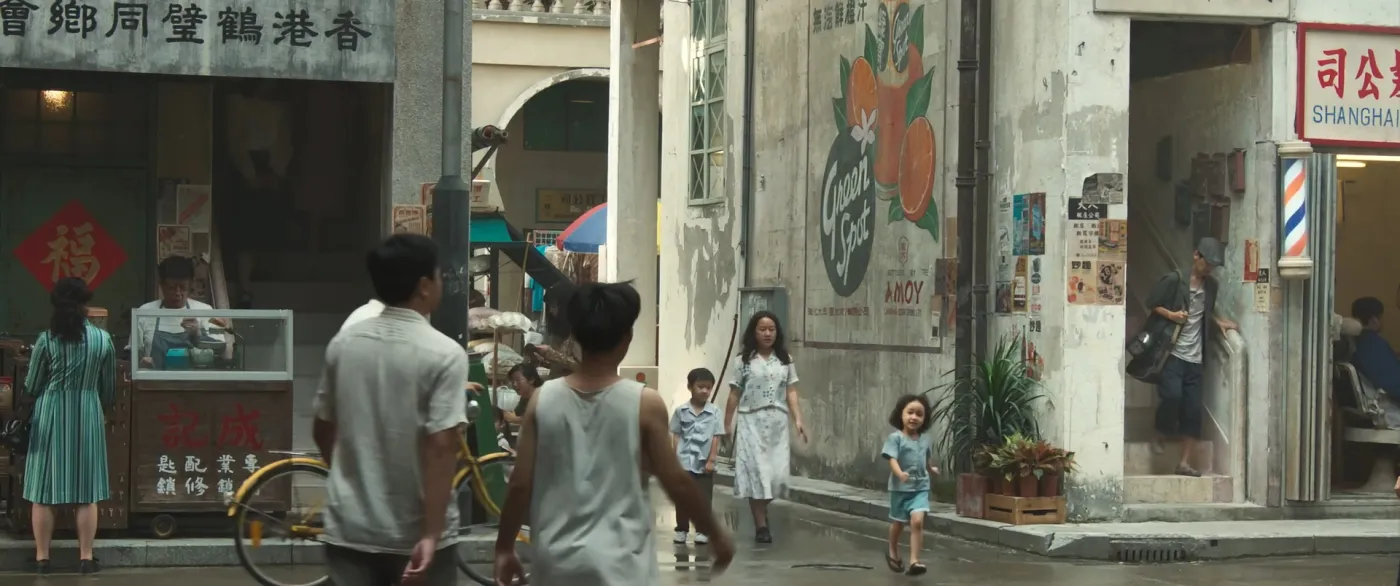
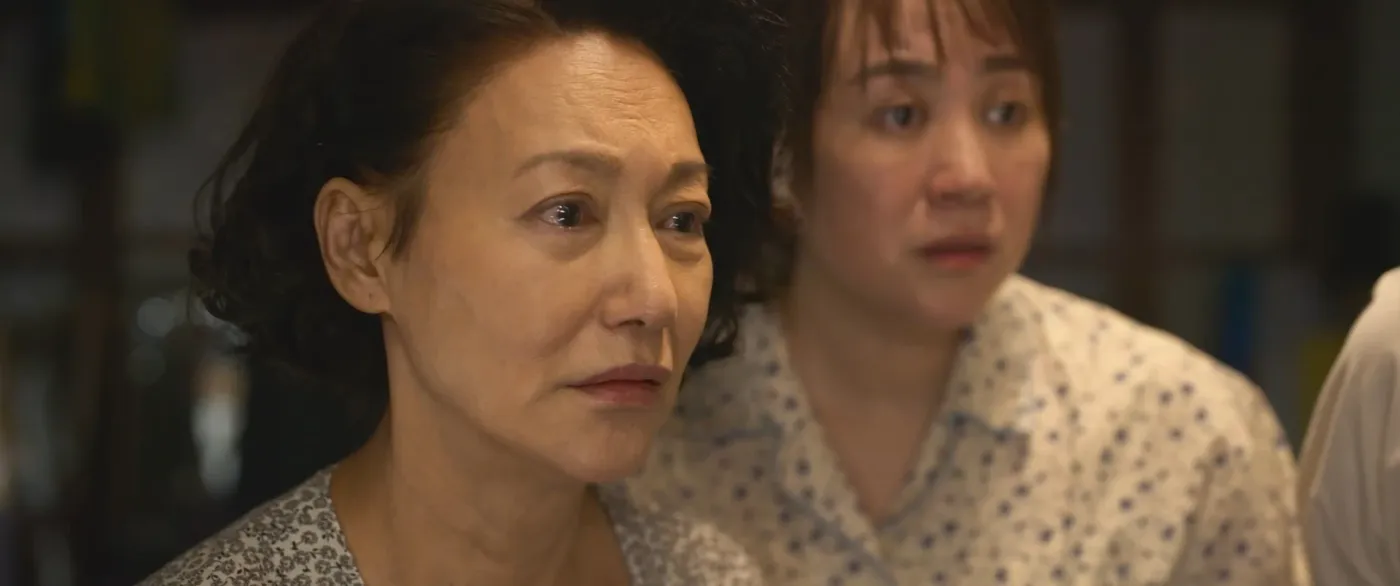
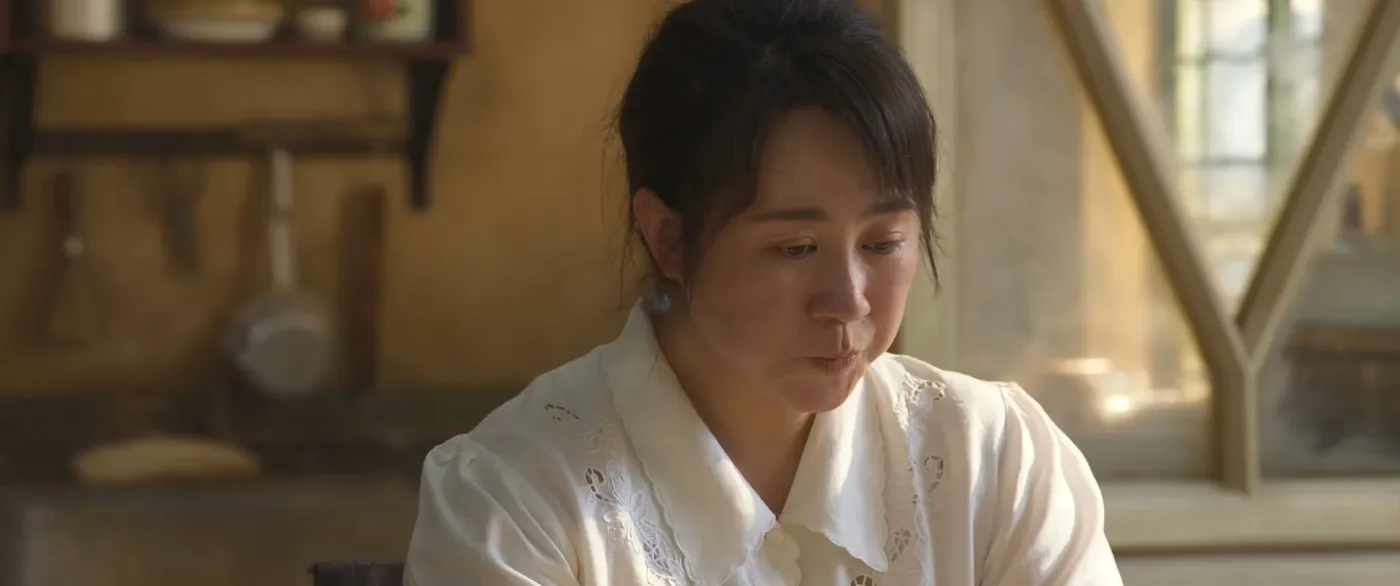
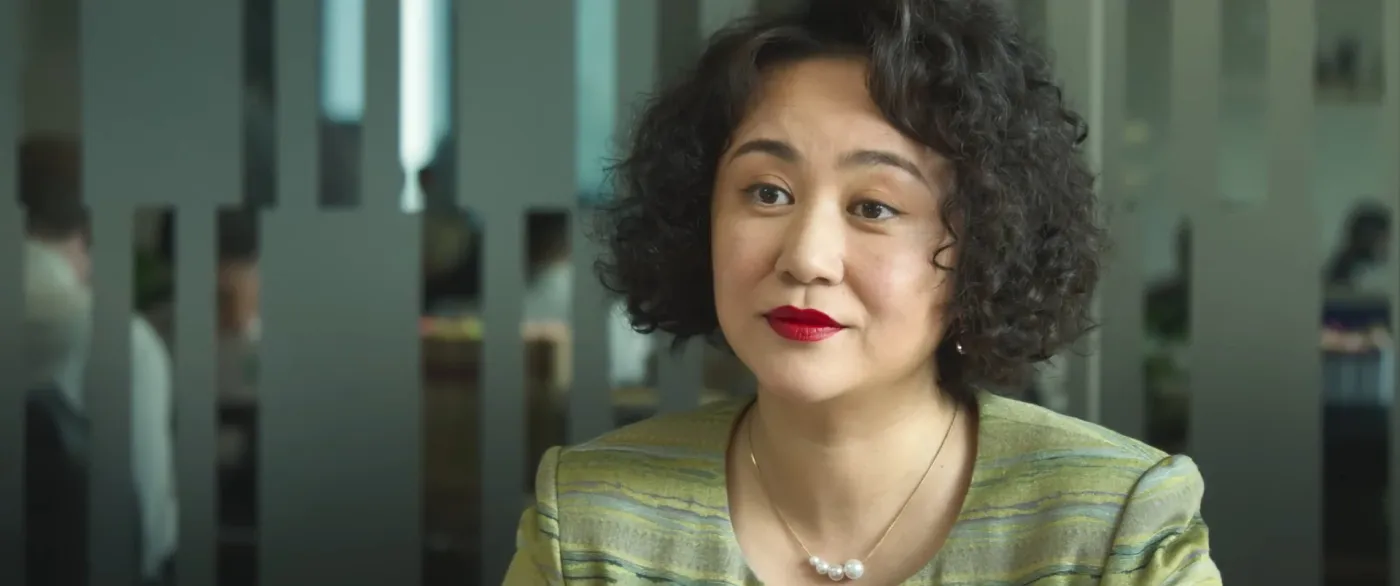
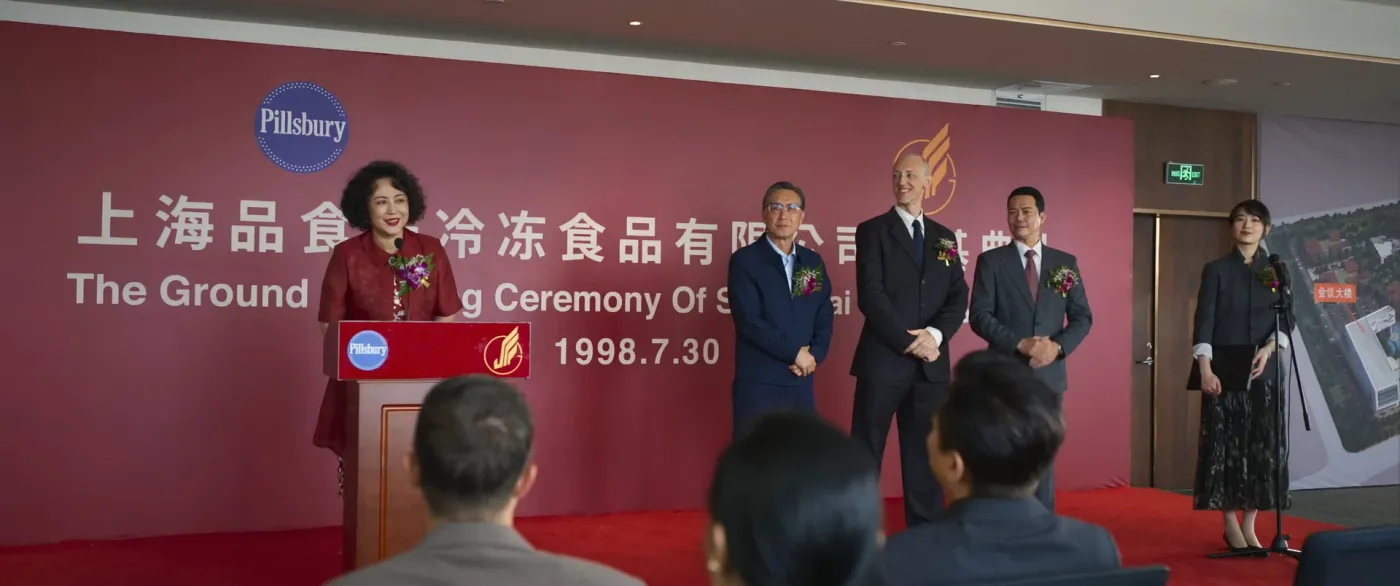
As Zang’s story progresses, we also see Hong Kong develop. The city changes alongside her, and the way she adapts her business reflects the country’s technological advances, a source of national pride. The film also shows education becoming more accessible, opportunities to study abroad opening up and the country gradually becoming a meeting point for different cultures, with local businesses beginning to partner with Japanese or American firms.
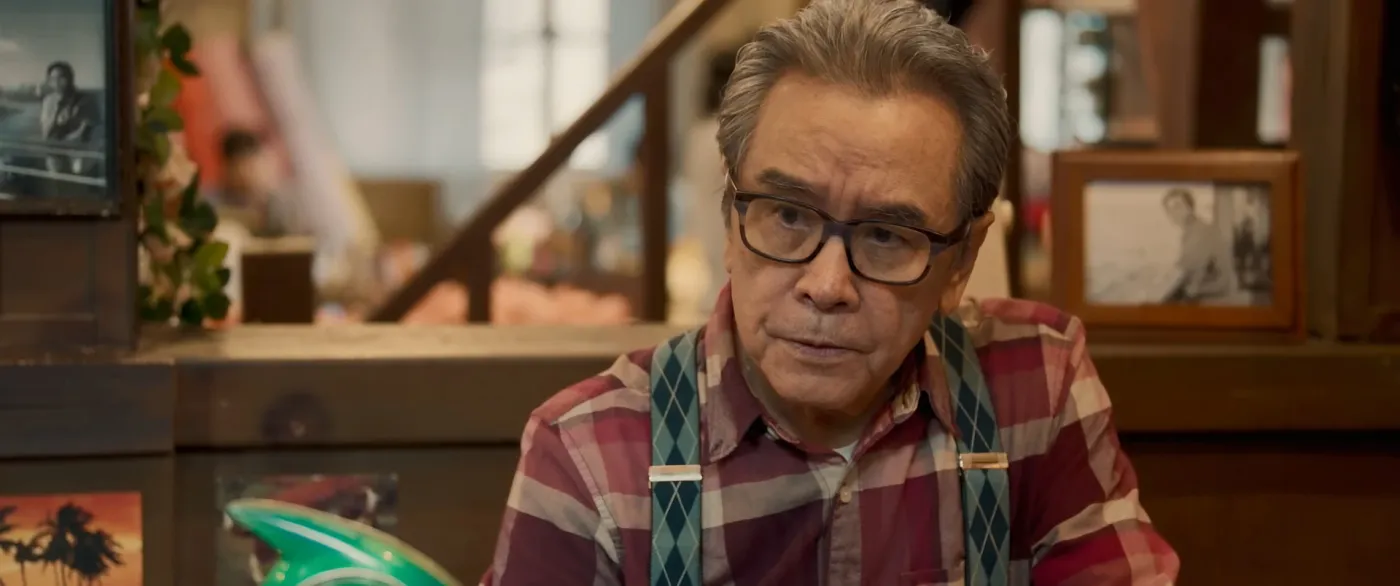
Finally, a third kind of nostalgia comes through in the popular culture of the period, something viewers can appreciate even if they have shared none of the characters’ experiences. The first place Zang works is decorated with photographs of David Chiang, then one of the biggest stars in Hong Kong cinema. Chiang himself plays the proprietor. The first flat she lives in also has posters for Shaw Brothers and Golden Harvest films. Later, when Zang moves closer to Causeway Bay, the landlady of the house where she rents a room is played by Kara Hui, another Shaw Brothers icon from the late 1970s and early 1980s. One of Zang’s neighbours covers a wall with photographs of Bruce Lee, and the arrival of the 1980s brings a mention of Chow Yun-fat.
Lau nods to his own filmmaking past as well. Frankie Ng, familiar from Young and Dangerous, plays a local gangster. Michael Tse plays a go-between in the negotiations with the Americans, and Jerry Lamb pops up for a second. The songs also heighten the nostalgia and help map out Hong Kong’s popular culture. By the vendors’ carts at the pier, for instance, we hear Half a Catty, Eight Taels, a song Sam Hui recorded for his brother Michael’s comedy The Private Eyes (1976). The song’s satire on working for a pittance fits right in among people whose livelihoods depend on the day’s takings.
As it goes on, the film makes a distinct shift from remembering the city to the question of its dignity. Hong Jie watches the Olympics on television and listens to the windsurfer Lee Lai-shan, who won Hong Kong’s first Olympic gold in Atlanta in 1996. Her declaration that Hong Kong athletes ‘are not rubbish’ answers years of being looked down on, and her victory shows that Hongkongers can hold their own in international competition. The theme returns in a different form when Zang sees how popular American hamburgers are becoming in China. She invokes more than two thousand years of dumpling-making tradition and insists that dumplings are superior to the Western product, taking the cultural superiority of the older of the two nations as a given. That ambition has a parallel in the history of Hong Kong cinema. Shaw Brothers productions and Bruce Lee’s films drew audiences far beyond Hong Kong. Years later, Lau and Mak’s Infernal Affairs was remade in Hollywood as Martin Scorsese’s The Departed (2006). Chiang, Hui and the photographs of Bruce Lee thus also recall a time when Hong Kong filmmakers won for themselves the sort of international recognition that Zang demands for her cooking.
The Dumpling Queen remains a deeply unimaginative film, both in style and in storytelling. Yet the archive footage, guest appearances and memories of what life in Hong Kong was like at the time make it a surprisingly enjoyable watch. All three of its nominations at the 2026 Hong Kong Film Awards are deserved. Ma Li was nominated for her leading role, while Ben Yuen and Kara Hui were nominated for their supporting roles. The film came away empty-handed, although Yuen had already won a Golden Rooster Award for his performance.
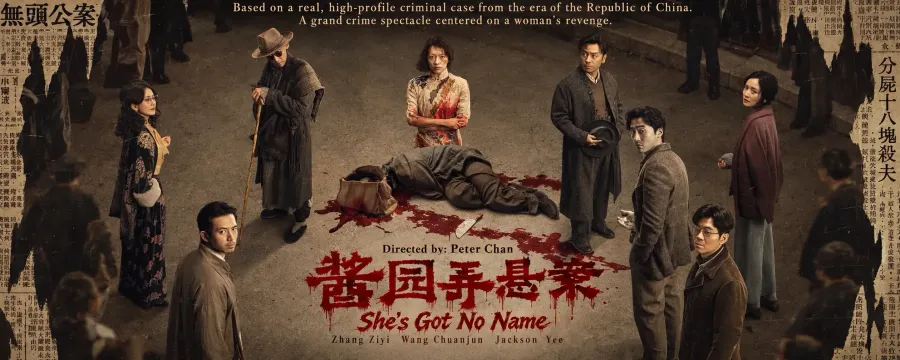
Ma Li also gives us a more moving portrait of a woman than Zhang Ziyi does in She’s Got No Name. In Peter Chan’s film, Zhan Zhoushi spends most of her time on screen enduring violence and humiliation, and it is others who speak on her behalf at the final hearing. Zang, too, is subjected to humiliation as a woman and as an immigrant, but as time goes on she increasingly decides for herself what she wants and what she will do. In the end, her voice rings out louder than any other in the film, and it is strong enough to be heard around the world.
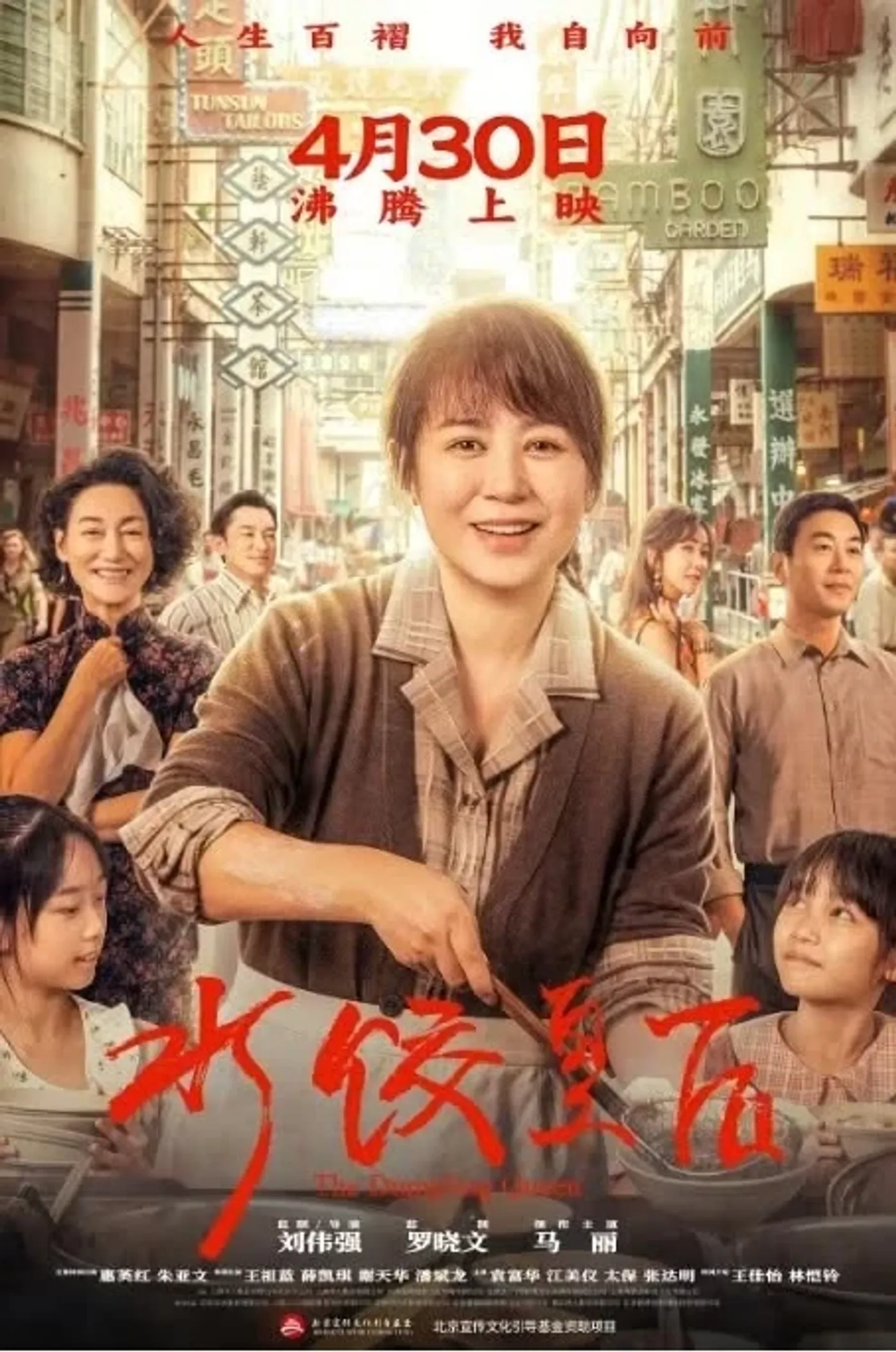
The Dumpling Queen
水餃皇后 / Shuǐjiǎo huánghòu (lit. Empress of Boiled Dumplings)
Direction Andrew Lau Wai-keung
Screenplay Han Jianü, Zhang Mengchu, Theresa Tang
Cinematography Andrew Lau Wai-keung, Wang Hao
Editing (Hong Kong credits) Li Jianxiang (李建祥), Lin Shiwei (林世煒)
Music Chan Kwong-wing, Christopher Lai
Producers Andrew Lau Wai-keung, Mandy Law
Production companies Shanghai Chinese Film (including its Beijing branch), Tianjin Maoyan Weiying Culture Media, Jinmantang (Guangzhou) Movie & TV Culture Media, Shanghai Tao Piao Piao Movie & TV Culture
Production regions Mainland China and Hong Kong
Year 2025
Running time 119 min 41 sec
Languages Mandarin, Cantonese
Theatrical release 30 April 2025 (mainland China), 1 May 2025 (Hong Kong)
Cast Ma Li, Kara Hui, Zhu Yawen, Ben Yuen, Wong Cho-lam, Fiona Sit, Michael Tse, Pan Binlong, Elena Kong, Tai Bo, Cheung Tat-ming, Frankie Ng, David Chiang, Jerry Lamb and others.