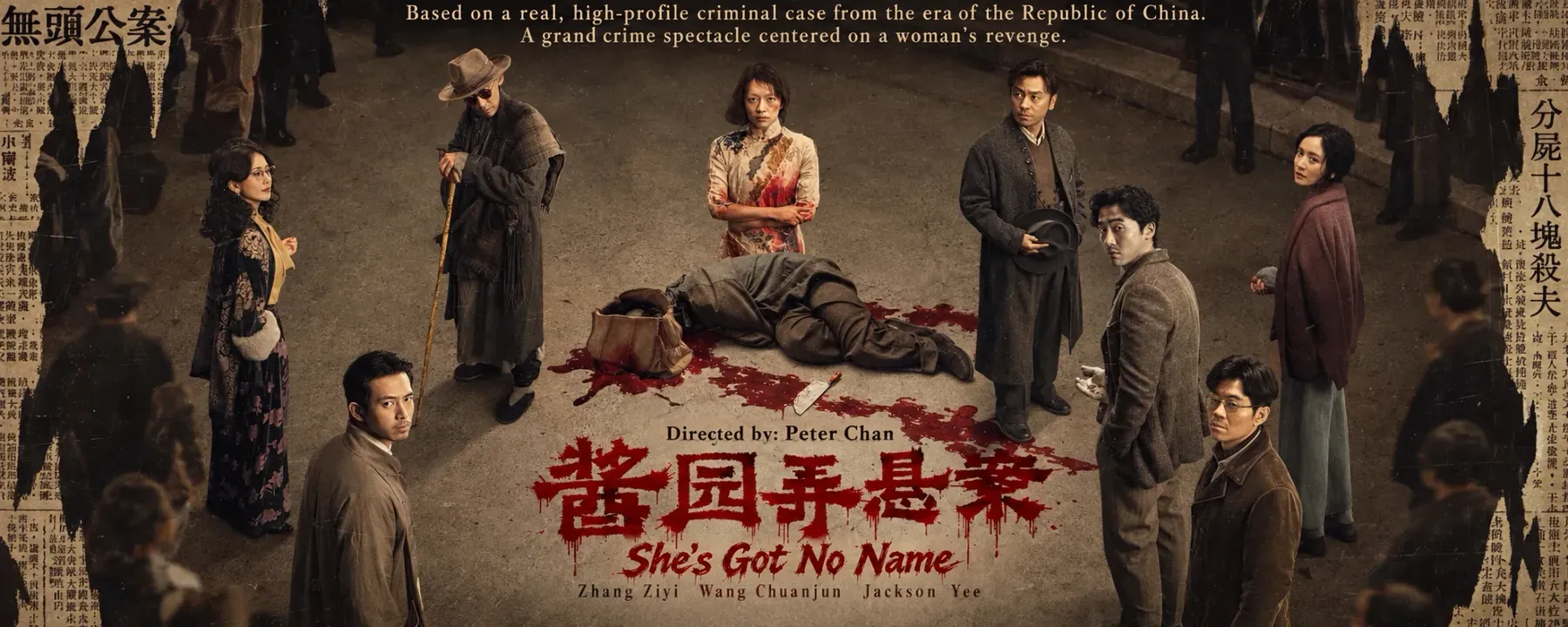
Peter Ho-sun Chan and Han Shuai’s film was inspired by real events, so I will begin this review with the story of the Jiangyuan Lane murder on which She’s Got No Name is based. In accounts of the case, the accused appears as Zhan Zhoushi, meaning Zhan’s wife, née Zhou. The English title thus draws attention to how the woman at the centre of years of Shanghai press coverage was identified solely through her marriage. The film sets out to show how Zhan breaks out of the role assigned to her and begins to determine her own fate. The premise is all the more apt because the real case, from the outset, was about who was entitled to define the accused woman’s motives and who had the right to speak on her behalf.
On the morning of 20 March 1945, at No. 85 Jiangyuan Lane, off Xinchang Street in Shanghai, Zhan Zhoushi killed her sleeping husband, Zhan Yunying, known as Big Zhan. She used a kitchen cleaver and hid the dismembered body in a suitcase. According to her testimony, she cut the body into sixteen pieces. The couple’s landlord, Wang Xieyang, noticed traces of blood and called the police. Zhan was arrested that same day and the case quickly became a sensation. Crucially, Shanghai was still under Japanese occupation, and its administration answered to the collaborationist government set up in Nanjing by Wang Jingwei in 1940.
Zhan Zhoushi was sent to Shanghai as a child to go into domestic service. At twenty-one, she married a pawnshop employee chosen for her by her guardians. Just two months into the marriage, Zhan Yunying took up with another woman. Over time, he began losing ever larger sums gambling and took his frustrations out on his wife by beating her. He also made it difficult for her to get a job, shutting off every avenue she had for improving her circumstances. Zhan tried to find work in a cigarette factory and later thought of opening a food stall of her own. According to her testimony, she bought the cleaver she used in the killing with that last venture in mind. We should, of course, treat testimony given in court with caution, but the very dispute over work and access to money tells us a great deal about her situation. Every plan she came up with for getting out of debt required the approval of the violent man responsible for those debts in the first place.
Two accounts of the murder quickly took shape in the press. Some wrote about a promiscuous, cruel wife and suspected that a lover of hers had been involved in the crime. Others pointed to years of abuse and the limited options open to a woman without an independent income. In June 1945, the writer Su Qing came to Zhan’s defence, followed a month later by the poet Guan Lu. Both wanted the court to consider what had gone on in the couple’s home before the killing. The debate over the crime thus also became a debate about whether years of abuse at her husband’s hands could be considered a mitigating factor in judging what she had done.
In May 1945, the court sentenced Zhan to death. After Japan’s surrender and the collapse of the collaborationist regime, the case returned to court, this time under the authority of China’s Nationalist government. The court again handed down a death sentence. After further appeals and a 1947 decree on pardons and commutations, the sentence was changed. In 1948, Zhan was finally sentenced to fifteen years in prison. In the 1950s she was sent to a state farm in Dafeng, Jiangsu province, where she later worked in a crèche. In 1959 she married a cook there. She settled permanently in Dafeng after serving her sentence.
The case found a second life in literature. In her 1983 novella Shāfū (The Butcher’s Wife), Li Ang transplanted its central conflict to rural Taiwan. Through the story of a woman married off to a butcher and subjected to sexual abuse, she explored bodily autonomy and society’s tolerance of violence within marriage. Tseng Chuang-hsiang adapted the book for the screen in 1984 as The Woman of Wrath. An adaptation was also made for the Taiwanese broadcaster TTV. Years later, the case caught the attention of Peter Ho-sun Chan. The screenplay for his She’s Got No Name draws on Fan’an, a novella by Jiang Feng likewise inspired by the murder and its social and political context.
The film, however, changed shape over the years. Chan first took an interest in the screenplay in 2015 and considered making it as a miniseries during development. Nine years later, in 2024, he screened a cut of about 150 minutes out of competition at Cannes. He later regarded it as an incomplete account of the story he had set out to tell. After a further edit, the material was divided into two films. The 96-minute first part opened the Shanghai film festival on 14 June 2025 and reached cinemas in mainland China a week later. This is the part I am reviewing here. Chan announced a 2026 release for the second part, but at the time of writing, on 4 November 2026, there is still no official word on the release.
Zhang Ziyi and Lei Jiayin play the leads. They are joined by Wang Chuanjun (also known as Eric Wang), Mei Ting, Zhao Liying and Yang Mi, among others. Jackson Yee is listed among the principal cast, though he appears for only about ten minutes in this instalment. The film received seven nominations at the 2026 Hong Kong Film Awards. It was up for Best Film as well as awards for Chan and Han’s direction, Zhang’s performance as the female lead, Jake Pollock’s cinematography, William Chang Suk-ping and Zhang Yibo’s editing, Sun Li and Lau Man Hung’s art direction, and Dora Ng’s costumes and make-up. It came away empty-handed.
Personally, I think Zhang thoroughly deserved her nomination. The cinematography, costumes and production design are also among the film’s strengths. I have a harder time understanding the Best Film nomination, and an even harder time understanding the one for editing. The jumps between the investigation, Zhan’s past and the other characters’ stories repeatedly break the film’s rhythm, and some of the threads feel barely begun. Splitting the material might have given the characters more room, but what struck me most in the first part was how their stories break off halfway through.
Similar reservations appeared in the Chinese press after the theatrical release. The Beijing Evening News reported that in its first week in cinemas the film had a Douban rating of 5.9 out of 10, and noted debates about the pacing, the sheer number of stars and the portrayal of violence against women. A more sympathetic reading appeared in The Paper, which placed Zhan’s fate within a larger story about changes of regime and how they can save an individual by sheer chance. That idea is indeed visible in the film. It is all the more regrettable that, in focusing on the decline of the collaborationist government and its machinery of violence, the filmmakers were unable to give an equally convincing account of the transformation of the woman with whom the whole story began.
I believe Chan and Han sincerely wanted to tell a story about the harm women suffer and to speak out against the violence inflicted on them. I also think they failed completely. Zhang Ziyi’s remarks are interesting in this regard. At Cannes, the actress called attention to a scene she had worked particularly hard on and which, she said, was missing from the version shown. In doing so, she expressed her disappointment with the finished film. Chan put the changes down to the needs of the film as a whole and the constraints of its running time. Asked on another occasion whether Zhan was a strong enough character, Zhang replied that she had thought so while playing her. She added that she hoped in future to play a stronger character with greater symbolic potential, again giving some indication of her disappointment with the film.
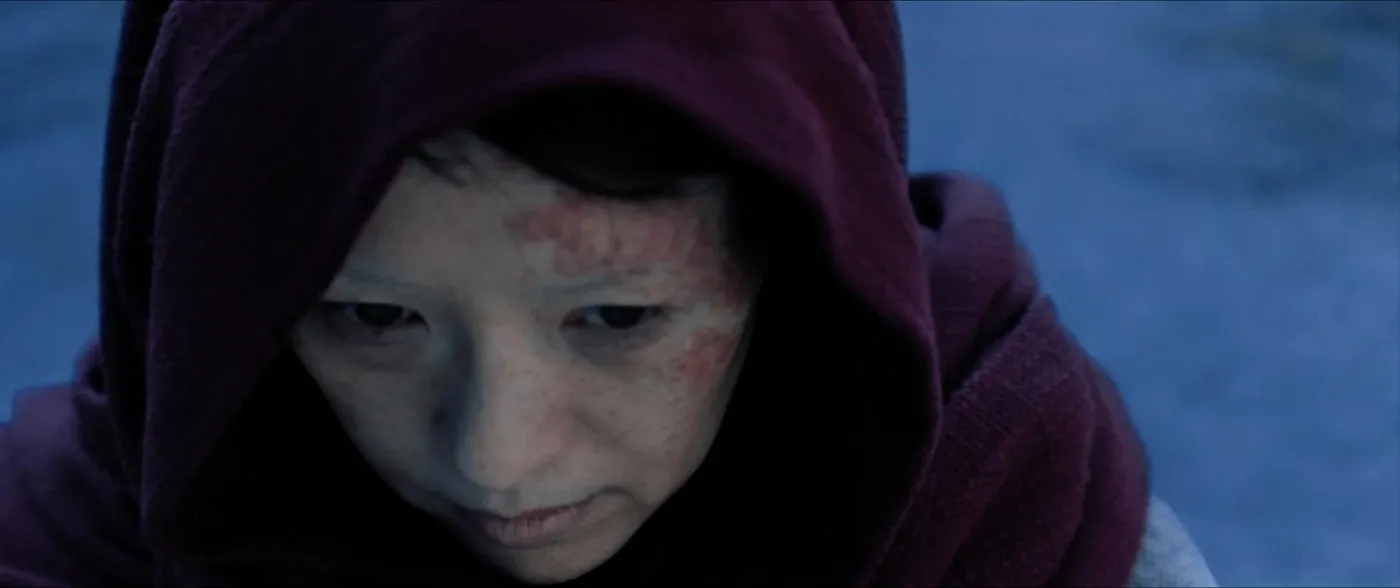
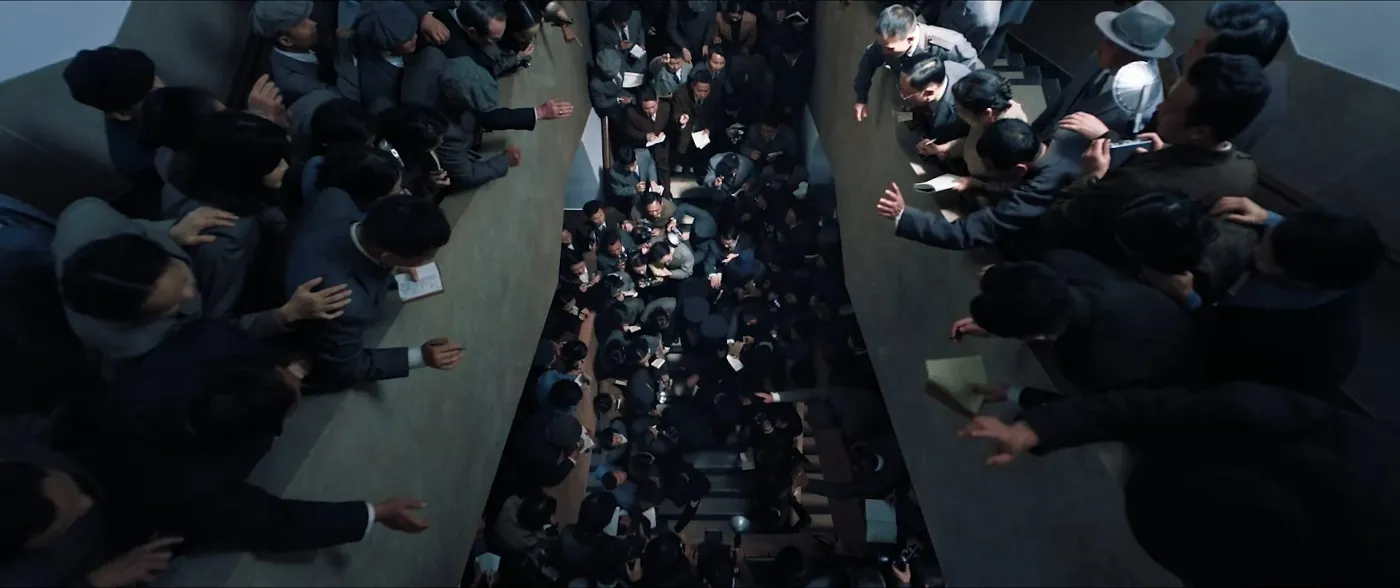
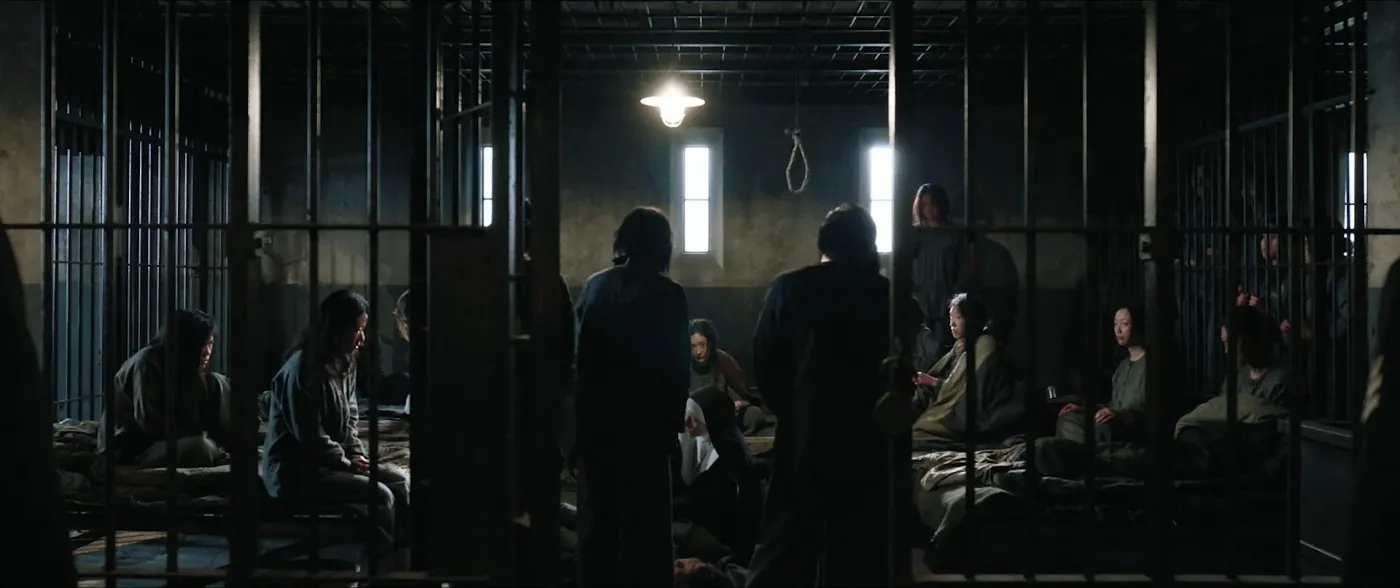
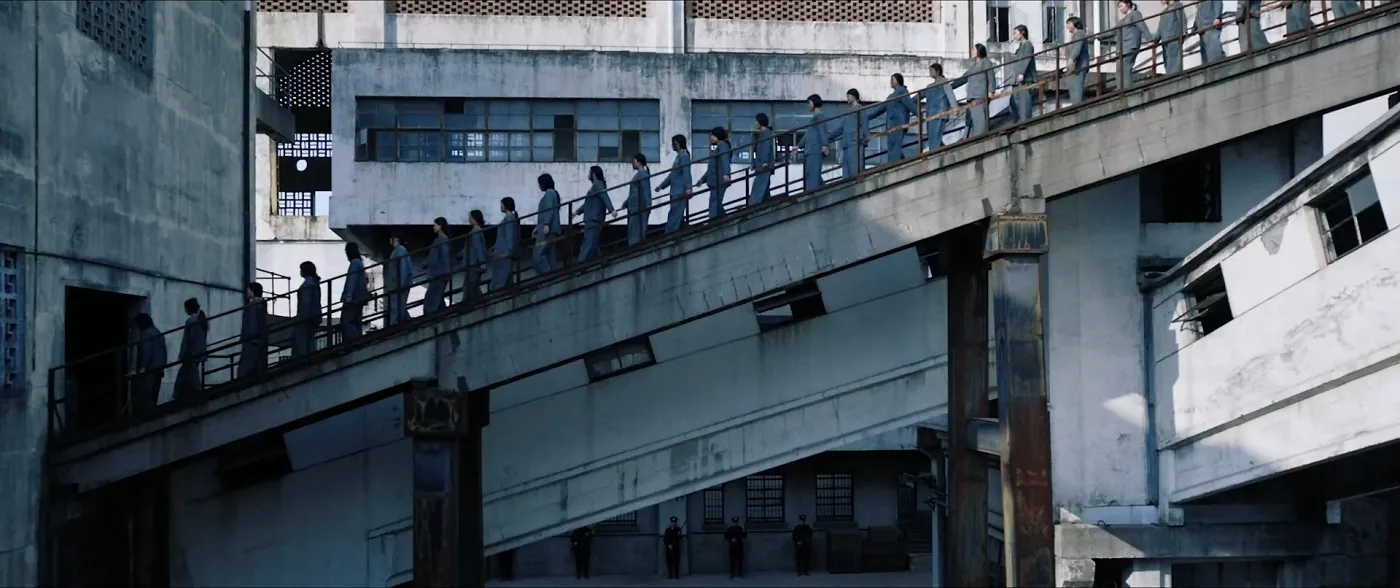
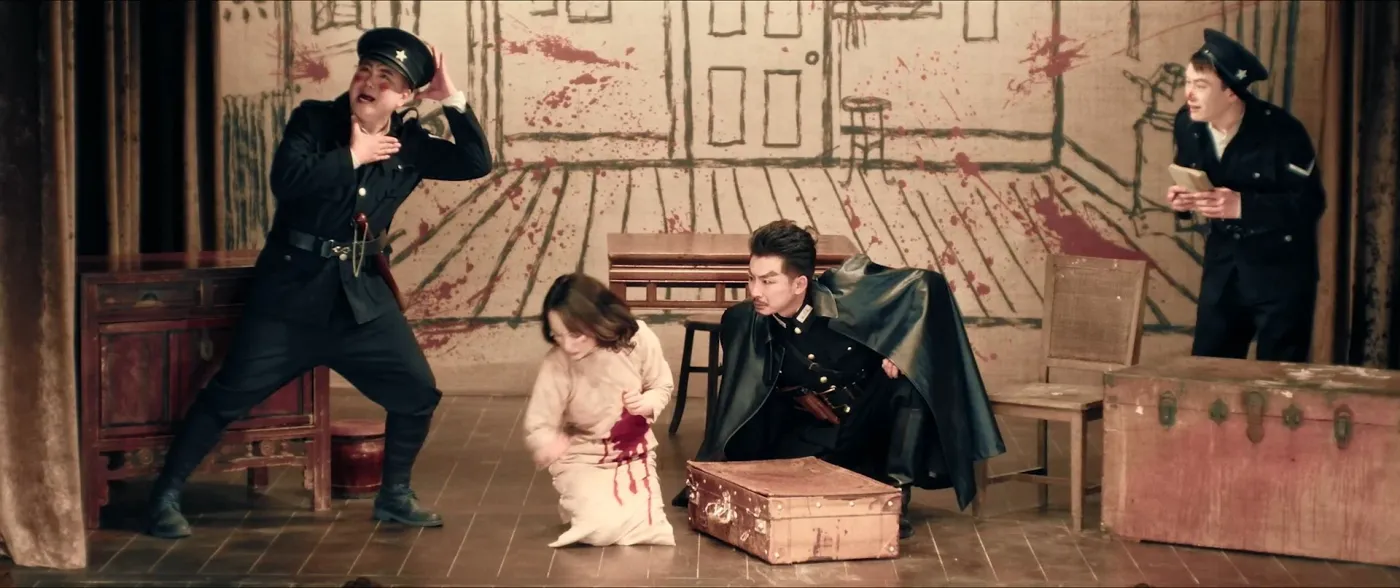
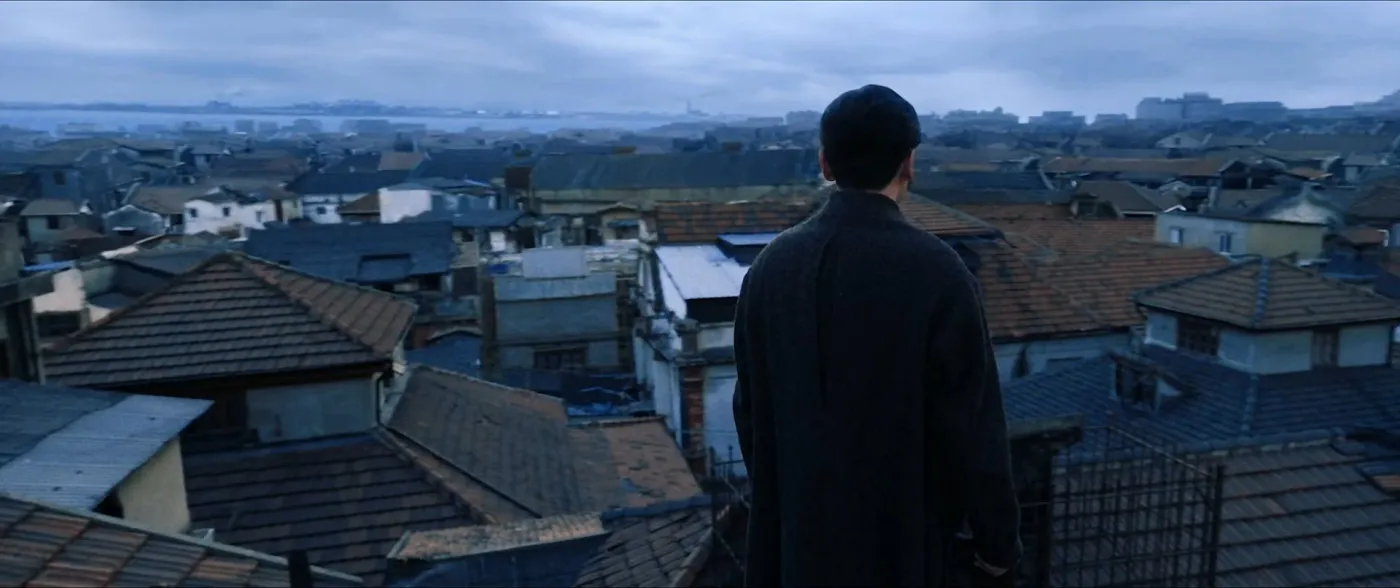
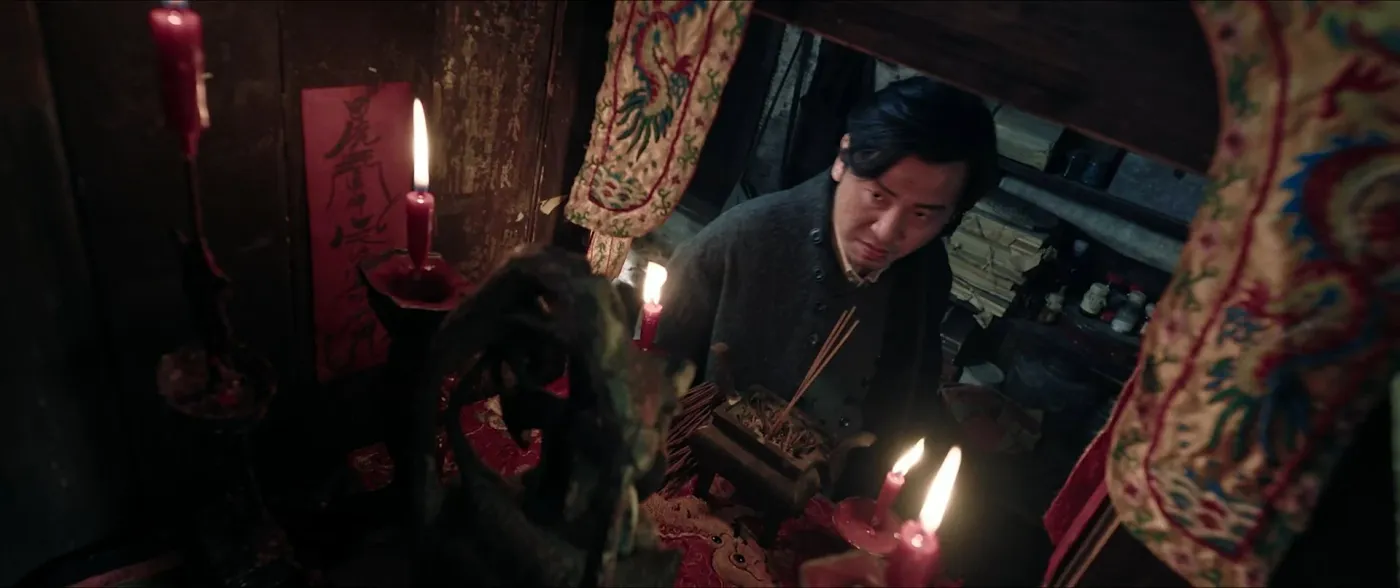
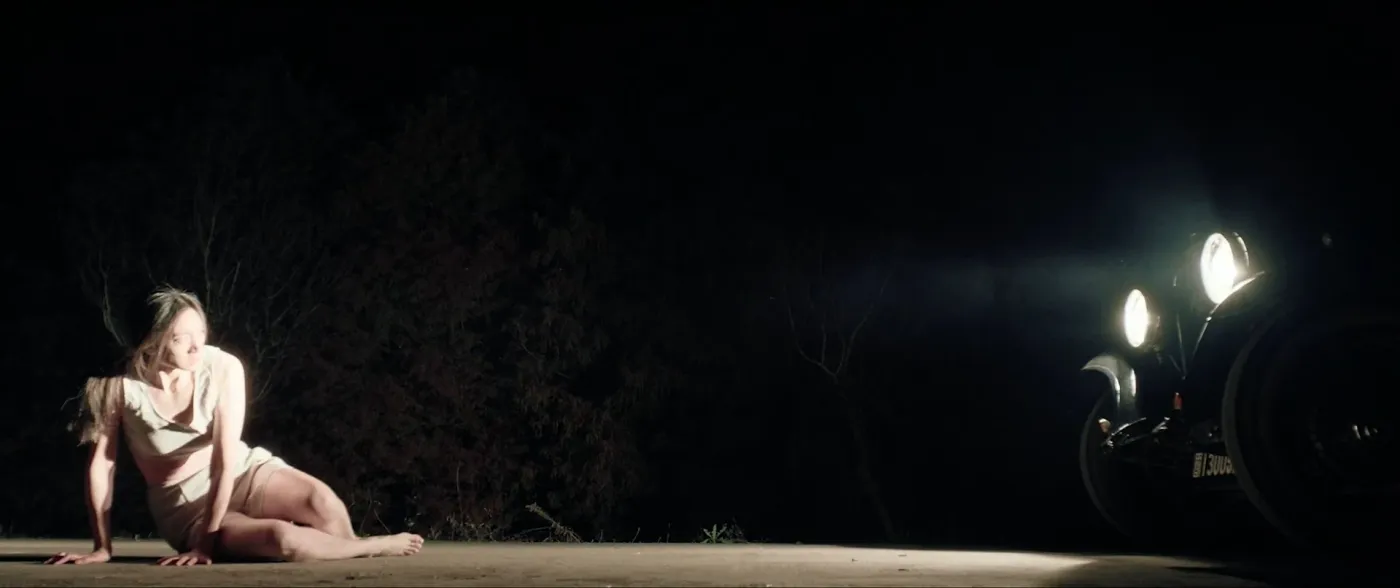
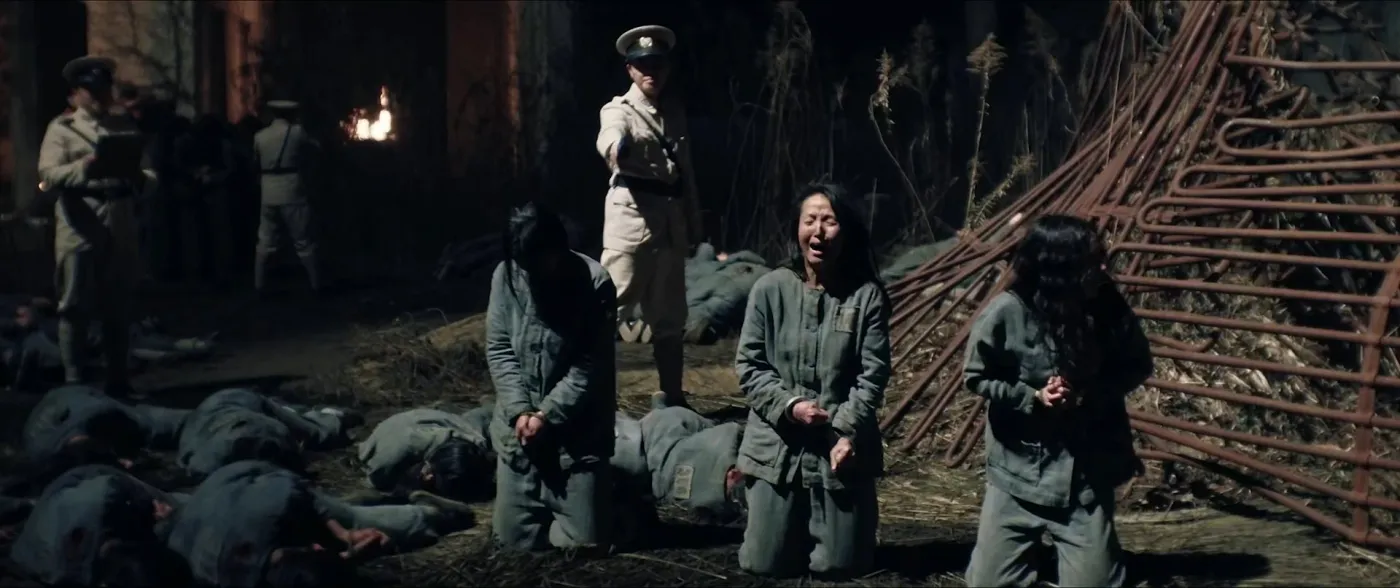
Her response is tied to the way She’s Got No Name tries to stir outrage at violence against women. The filmmakers chose to show that violence at length and in graphic detail, hoping that at some point the viewer would simply begin to sympathise with Zhan. Much of the film thus becomes a spectacle of cruelty in which the protagonist is beaten and humiliated time and again. By comparison, when the police torture a man to extract false testimony, we watch from further away and for much less time. When Zhan is tortured, the camera moves closer, the shots grow longer and the action slows. The desire to show her suffering is understandable, but after a while it becomes clear that the film has shown in meticulous (and sadistic) detail what can be done to her body and has still barely let her tell us what marriage and the social order did to her.
The most glaring example of the filmmakers’ approach to the abuse inflicted on Zhan is the sequence in which a policeman puts her, drenched in blood, in the path of a huge wild pig, rendered in distinctly middling CGI to boot. For several minutes we watch her struggle desperately with the animal as it nearly kills her. What do we know after that scene that we did not know before? The officers’ cruelty is already clear, and the attack has no effect on anyone’s behaviour or on the course of the investigation. All that remains is the spectacle of the attack itself, staged like some bizarre blockbuster attraction. At that point it is hard to avoid the impression that the woman’s suffering was merely an excuse for the filmmakers to show off.
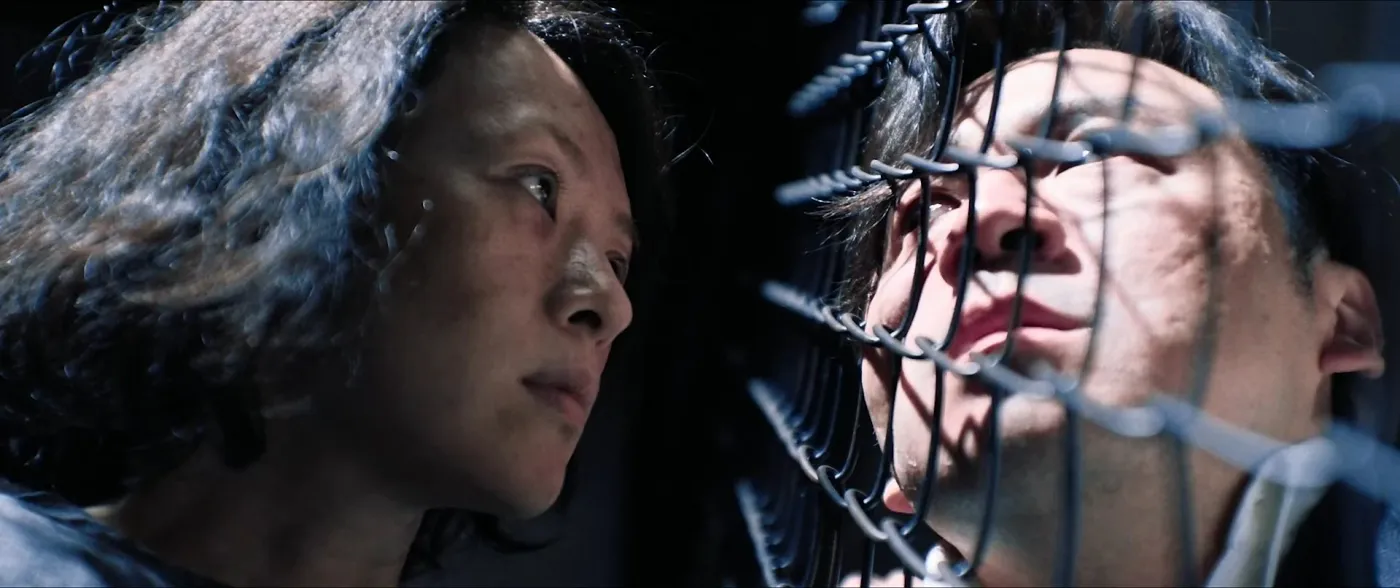
The scenes of violence can, however, sometimes reveal something about the story. When Xue Zhiwu, who is leading the investigation, sees himself as the tortured woman’s husband in her gaze, the film brings domestic and state violence together. It links the two and shows how each depends on the other. The flashbacks also show how unjust women’s position was in comparison with men’s. The film sets Xue’s impunity in the wider context of the collaborationist state apparatus. In these rare moments, it manages to show why the filmmakers wanted to tell a story about the police and the family within the same film.
Alongside Zhan are two women. Xilin (Zhao Liying) is a feminist writer and journalist modelled on Su Qing, while Wang Xumei (Yang Mi) is a fictional fellow prisoner. Both are meant to help Zhan, though the screenplay gives them fairly narrow roles, barely sketches their personalities and portrays them inconsistently into the bargain. Xilin publishes articles in defence of the accused woman, explaining with astonishing confidence and accuracy what Zhan wants and what she is fighting for. Where does she get that insight and such intimate knowledge of the protagonist’s character and ideals? The film leaves that unexplained. It goes so far as to have Zhan herself learn from a newspaper what she is really fighting for. It is also hard to tell what effect Xilin’s articles have on society, given that only two of the characters we follow, both prisoners, are shown reading them.
Xilin also has a second identity. When she puts on a wig, she transforms into a popular celebrity who sets men swooning. As a writer she is an independent woman, championing the idea that an awakened woman can achieve anything she wants. Yet even she gets a hearing only once she conforms to the patriarchal order and fits its idea of what an attractive woman ought to look like. Her ideas are tolerated on account of her looks, with little sign that they are taken seriously as part of any meaningful public debate. There could have been an interesting strand here about the price she pays to reach an audience. As it is, the two versions of Xilin exist side by side, and the contradiction between what she says and the way she gets attention goes largely unremarked.
There is also the slogan, championed by both Xilin and the film itself, about ‘awakened’ women being able to decide their own fate. What could such an awakening actually do for a woman in Zhan’s position? Even if she somehow managed to secure a divorce, she would still need a way to support herself, and at the time women needed a male guarantor to take up employment. Divorce was tantamount to social suicide for a woman without wealthy relatives willing to help. The film largely glosses over these barriers, hiding them behind the repeated claim that an independent woman has endless possibilities ahead of her. Easy for Xilin to say, when she can earn money from writing and celebrity appearances. For Zhan and millions of other poor women, it is a fine-sounding but hollow slogan.
Wang is even less convincingly drawn. At first she seems to be the tough, calculating boss of the cell, with the lives of the other inmates in her hands. After a few days she suddenly starts putting her arms around Zhan and showing her a tenderness she withholds from women she has known for weeks or months. The bond that forms between them could have been one of the film’s more interesting strands, had both characters been given time to build it. As written, Wang primarily serves to express the idea that in an unjust world, a woman must do whatever she can to survive. What happens to her, in turn, affects the prospect of Zhan’s sentence being carried out. The filmmakers thus replace part of the complicated course of the real case with a sensational turn.
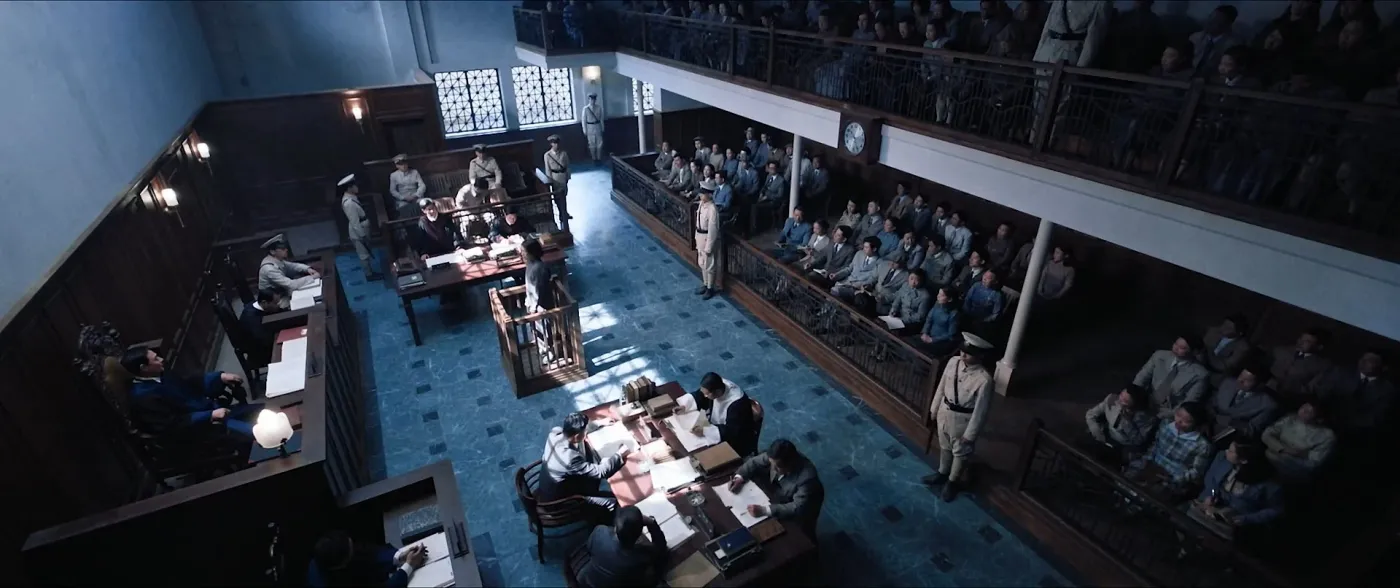
The final court hearing in the film is the most disappointing of all. It is staged with all the gravity the moment calls for. The heroine is finally meant to speak on her own behalf and show us her ‘awakening’. Yet what takes place is the very opposite of coming to understand the world around her or even her own worth. Zhan denies the killing and then repeats slogans from newspaper articles she has read. She cannot even put them into her own words. Her only line of defence is to recite slogans from the papers, and nobody even recognises where they came from. If Zhan is to stand for a woman fighting for her rights and her husband’s murder is to serve as a metaphor for breaking free from the shackles of violence and humiliation, then she ought to be able to give voice to her fight for freedom and show that she had done nothing wrong. What she actually does is deny the killing and conceal the choices she made. What is more, she is de facto stripped of a point of view of her own and made to conform to other people’s ideas. If the film criticises the Shanghai press for taking away the real Zhan’s voice, why does it do the same to its own version of her? It is much the same contradiction as taking a stand against violence through scene after scene of it. Time and again, Chan makes the very mistakes he criticises in others.
The emphasis falls very differently in Xue’s story. The police commissioner tortures the accused and other suspects, takes bribes and pays off the judge to secure a death sentence. That way, he can avoid publicly admitting that he mishandled the investigation. At the same time, the film occasionally tries to portray him as morally ambiguous. In one scene he spares a woman he was supposed to kill, and the filmmakers seem to suggest that his attitude to collaboration is more complicated than the rest of the film would have us believe. Xue is given an extensive storyline, but She’s Got No Name never explains why we should care what becomes of a man who is rotten to the core. Why hint at his psychological complexity in just three scenes and then disregard it for the rest of the film? Even if we grant him one good deed – and he did that for selfish reasons anyway – he remains every bit as much a traitor and a murderer. Any attempt to humanise him is doomed from the start and simply beside the point, given how little his fate matters to Zhan’s life or to the film’s message.
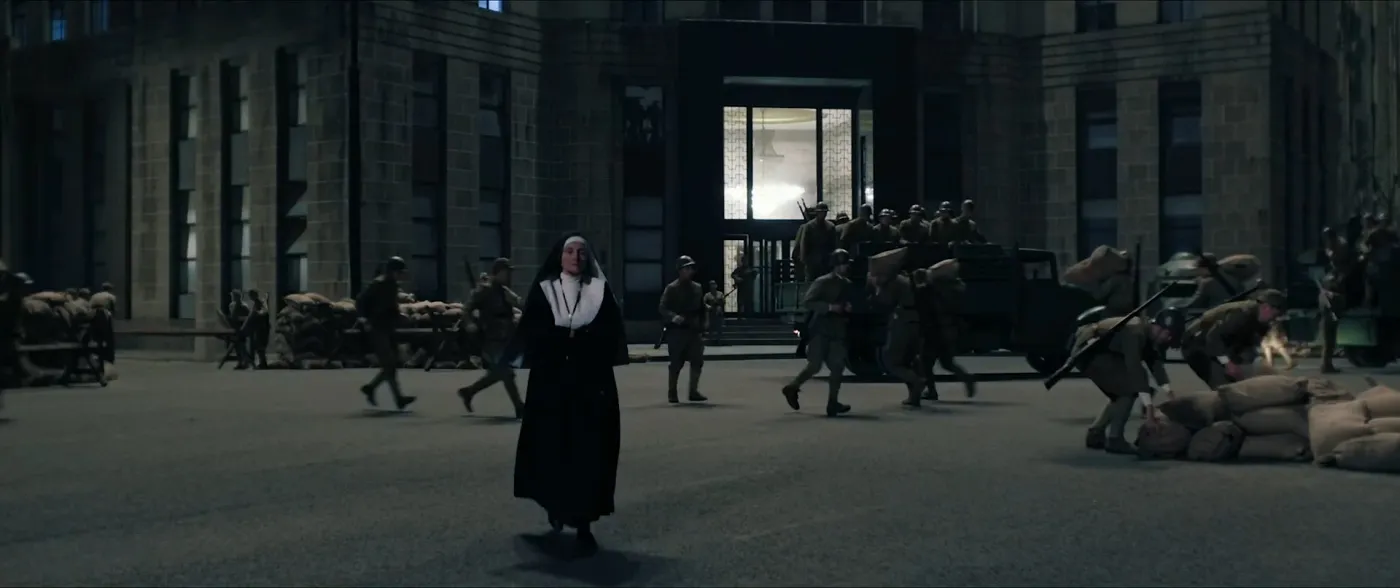
The film ends with a series of scenes from the second part promising a resolution to the murder case. It turns out that the first film’s explanation was incomplete, and Zhan may indeed have had help with the killing. After ninety-six minutes, it feels as though what we have seen so far has been little more than a prologue to the investigation proper. The first part had itself been marketed as a crime film, leaving a sizeable share of the audience disappointed and frustrated when they were given something quite different. Ultimately, She’s Got No Name is solidly made in areas such as framing and music. Its heart seems to be on the side of justice, yet it is utterly unable to articulate its ideas and trips over them at every turn.
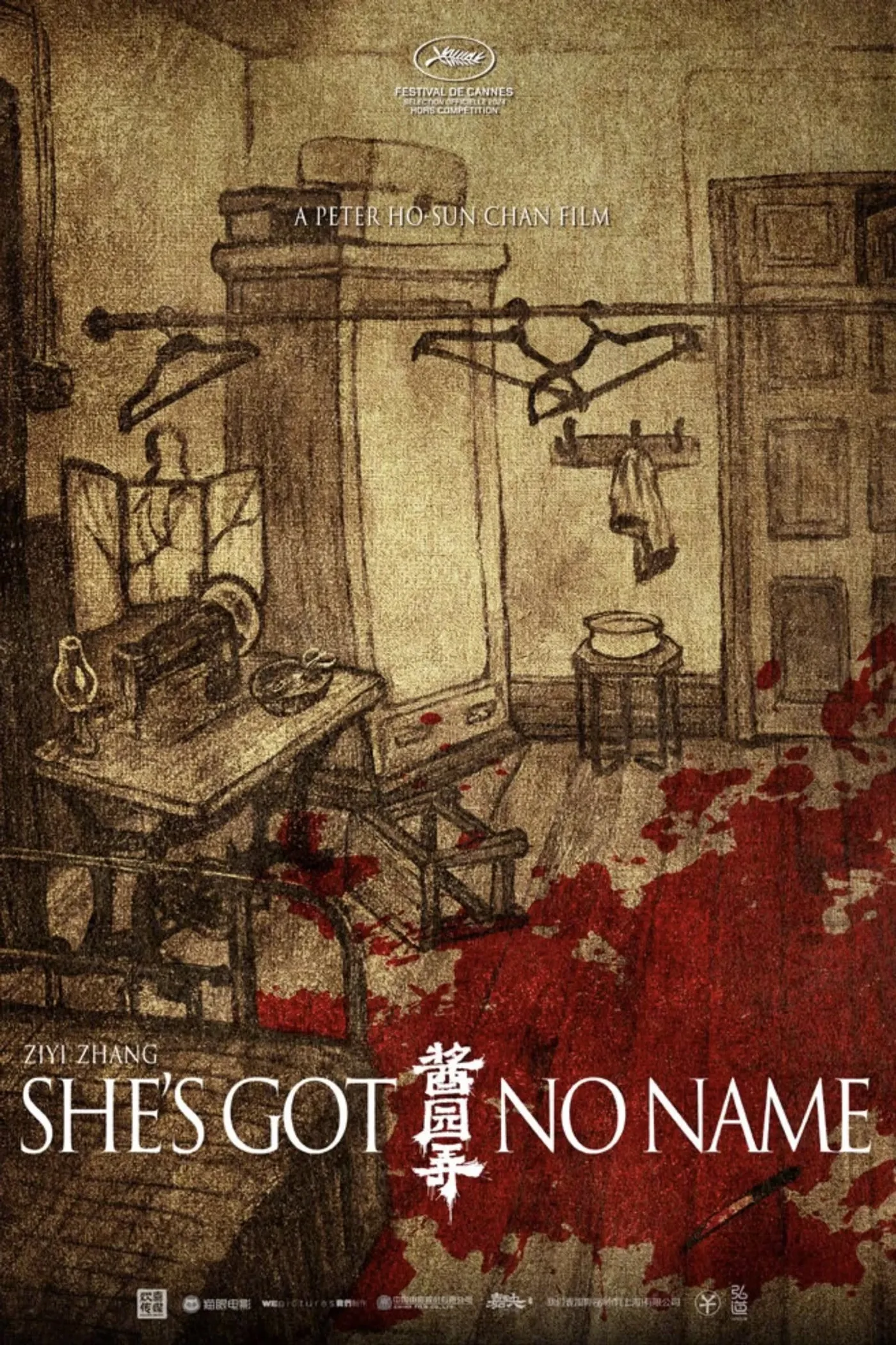
She’s Got No Name
酱园弄·悬案 / Jiàngyuán nòng · Xuán’àn (lit. Jiangyuan Lane: An Unsolved Case)
Title on the Polish banner: Kobieta bez imienia
Direction: Peter Ho-sun Chan, Han Shuai
Screenplay: Shang Yang, Xue Xiao, Shi Dong, Pan Yiran
Cinematography: Jake Pollock
Editing: William Chang Suk-ping, Zhang Yibo
Music: Yu Fei, Natalie Holt
Art direction: Sun Li, Lau Man Hung
Costumes and make-up: Dora Ng
Producer: Peter Ho-sun Chan
Production companies: Huanxi Media, We Pictures, China Film Co., Ltd. and Maoyan, among others
Country of production: China (with Hong Kong’s We Pictures)
Year: 2025
Running time: 96 min (first part, theatrical cut)
Language: Mandarin
Festival premiere of this cut: 14 June 2025 (Shanghai)
Theatrical release: 21 June 2025 (mainland China), 17 July 2025 (Hong Kong)
Cast: Zhang Ziyi, Lei Jiayin, Wang Chuanjun, Mei Ting, Zhao Liying, Yang Mi, Jackson Yee and others.