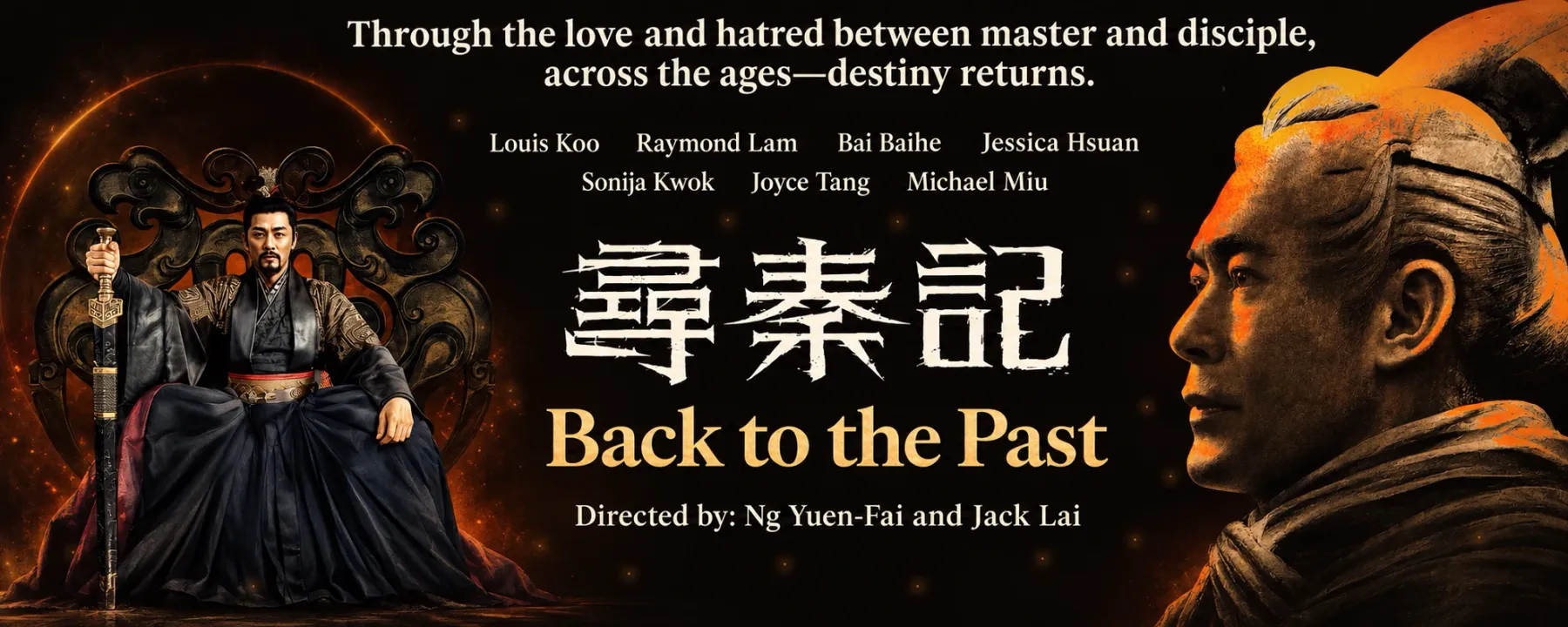
The first trip in time in Back to the Past takes us to 2001. The choice is deliberate as that was the year its predecessor, the television series A Step into the Past, first aired. Before the time machine starts up again, the filmmakers offer a prologue assembled from scenes in the series, reminding viewers how a Hong Kong police officer ended up in ancient China and what allowed his pupil to take the throne of Qin. Those few flashbacks are enough for viewers new to the story to follow the action. It is harder, though, to make up for nearly a quarter of a century of attachment to the characters, something that often matters more to the film than the action on screen.
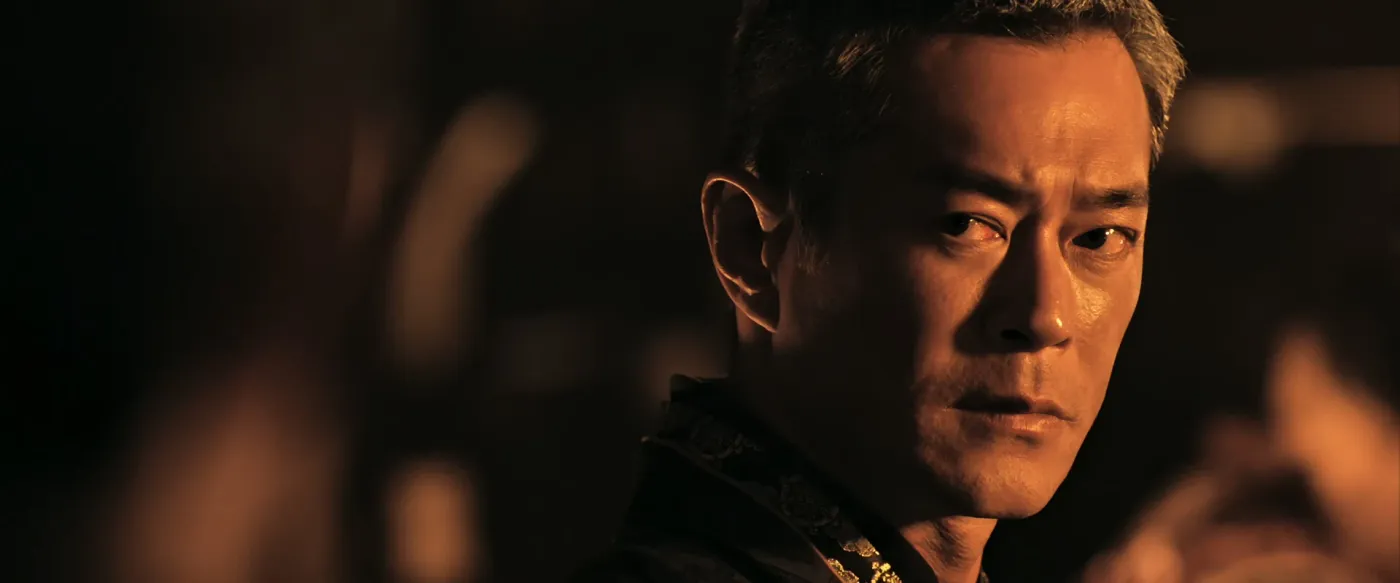
First broadcast in 2001, the forty-episode TVB series was based on a novel by Huang Yi with the same Chinese title, Xúnqínjì (‘Chronicle of the Search for Qin’). Ng Yuen-fai and Jack Lai directed the sequel. Louis Koo, Raymond Lam, Jessica Hsuan, Sonija Kwok and Joyce Tang are among those who reprise their roles. They are joined by Bai Baihe and Michael Miu. For Koo, A Step into the Past was his last series for TVB before he turned his attention to cinema. He returned to the set both to play the lead, Hong Siu-lung, and to produce the film, bringing together two stages of his prolific career.
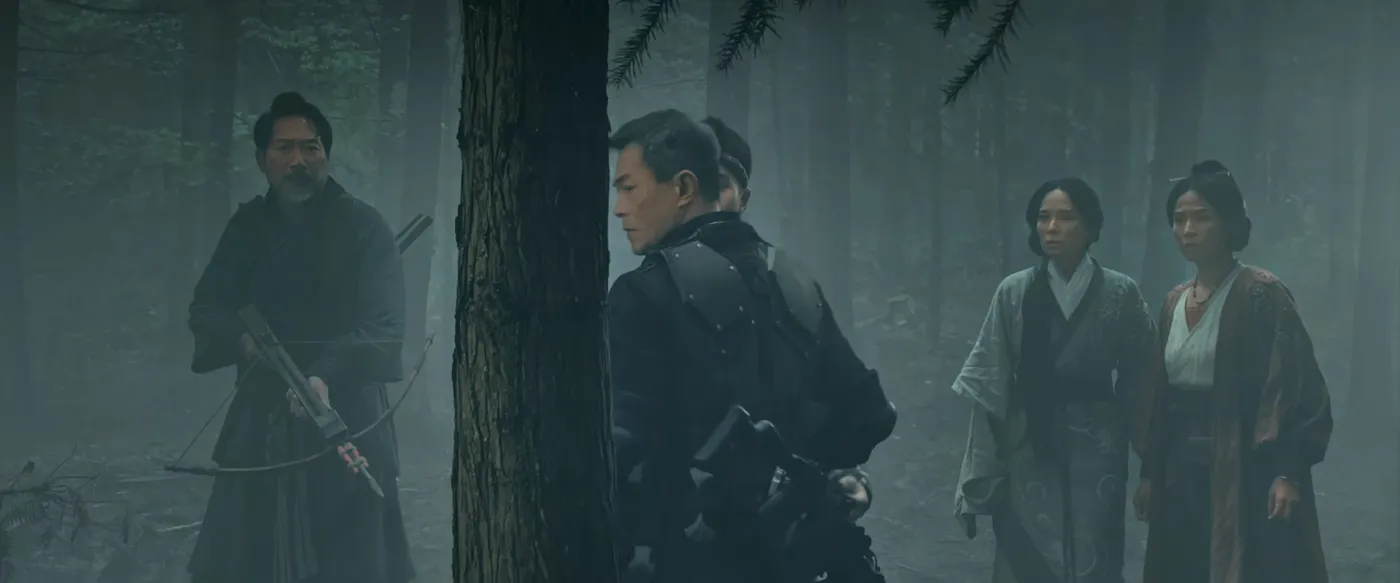
In the series, Hong Siu-lung, an officer in an elite police unit, takes part in a secret experiment. He is supposed to travel back in time, film the future first emperor’s accession to the throne and return to Hong Kong. The machine however sends him back three years too early. On his travels through ancient China, Hong takes the uncouth Chiu Poon under his wing and helps him take the place of the deceased Ying Zheng, the man who was meant to become emperor. When the pupil comes to power in Qin, he proves a brutal ruler, willing to go to appalling lengths to unite China and attain immortality. Disgusted by the conduct of his pupil, who has become his adversary, and unable to return to his own time, Hong settles far from court with his two wives and son. He knows, though, that the king will come for him sooner or later. After all, getting rid of his former master is the only way the king can conceal his true origins.
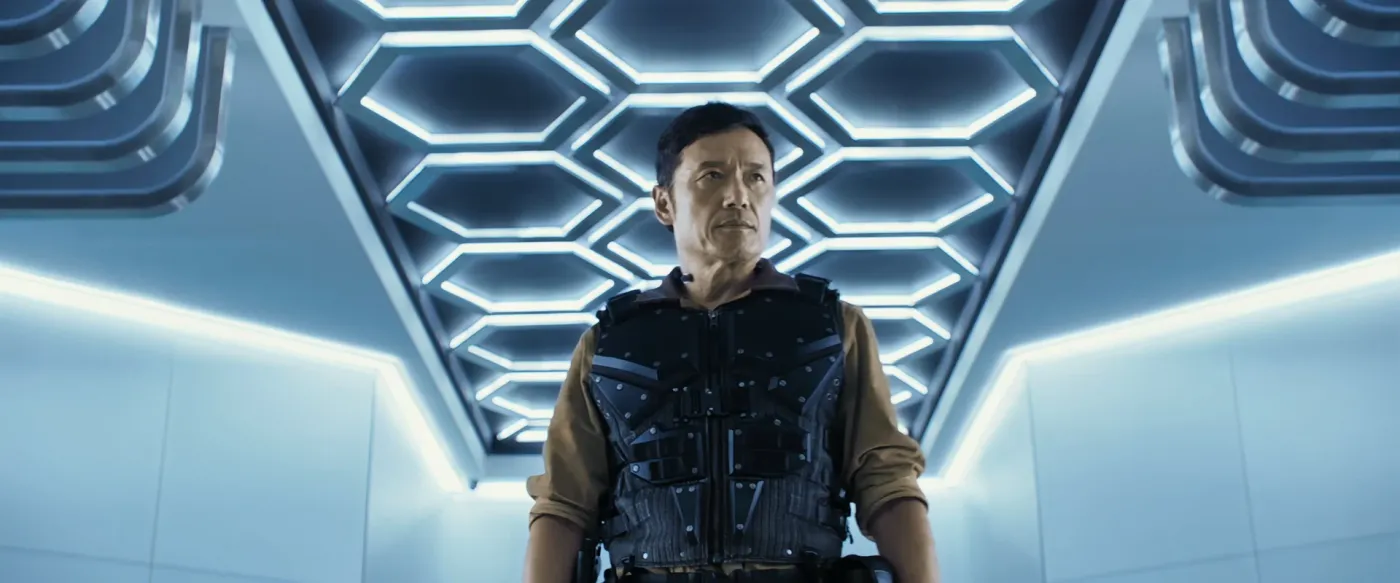
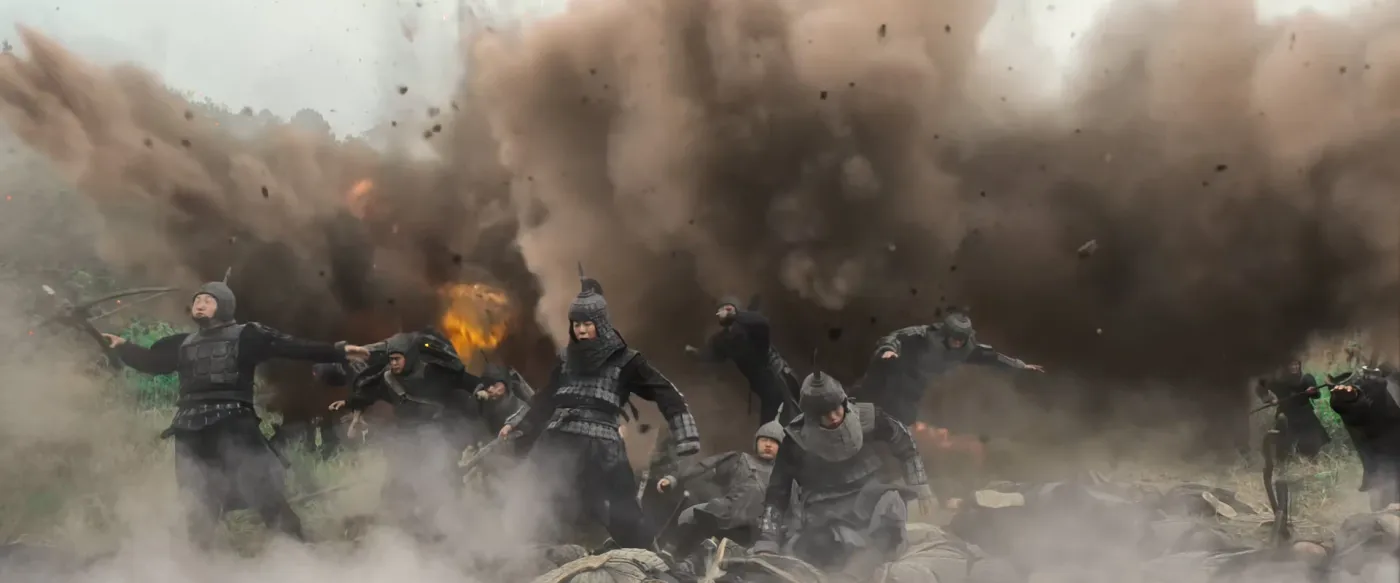
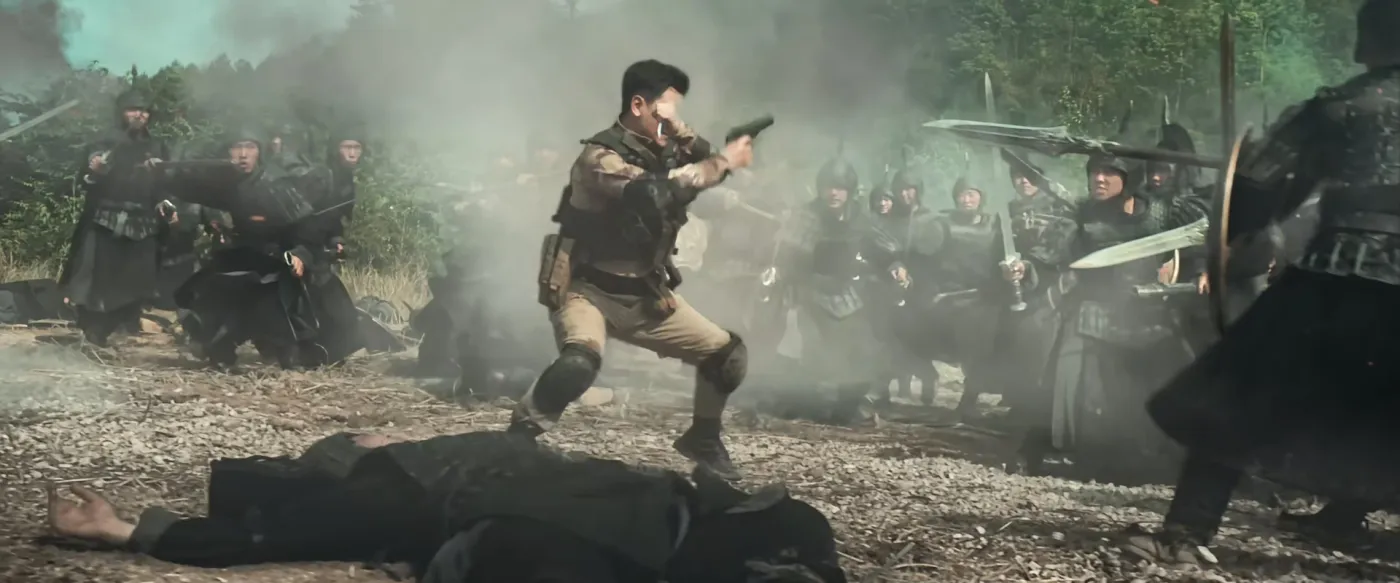
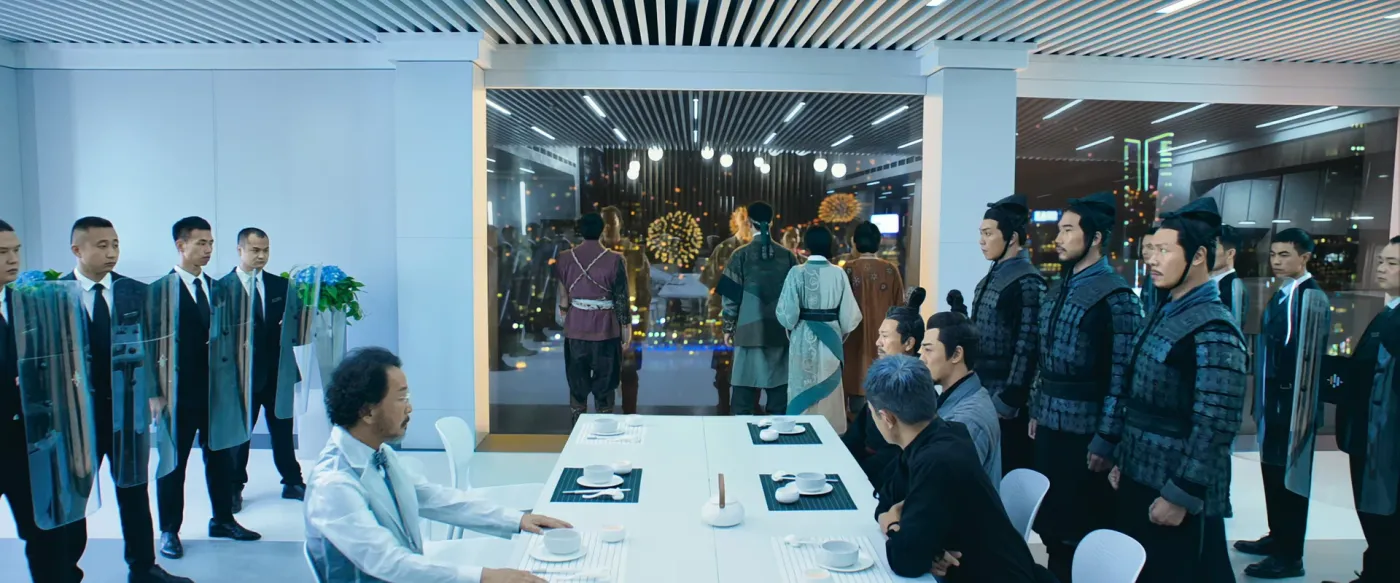
The film picks up the story some twenty years later. That is how long Ken (Michael Miu), the inventor of the time machine, has spent in prison after being wrongfully convicted in connection with Hong’s disappearance. On his release, he breaks into the facility where the machine is kept with his daughter Galie (Bai Baihe), his brother-in-law Phil and a squad of mercenaries. He forces Dr Wu (Liu Kai-chi) to activate it. Ken intends to change the course of history and take the King of Qin’s place himself. His accomplices want to loot the treasures of the imperial palace, while Galie chiefly wants to be with her father. When the arrivals from the present decimate Qin’s troops with guns, mines, grenades and motorbikes, the wounded king turns to his old master for help. Hong then decides to help him hold on to power by drawing on the men and supplies he had originally gathered in case his pupil ever came after him.
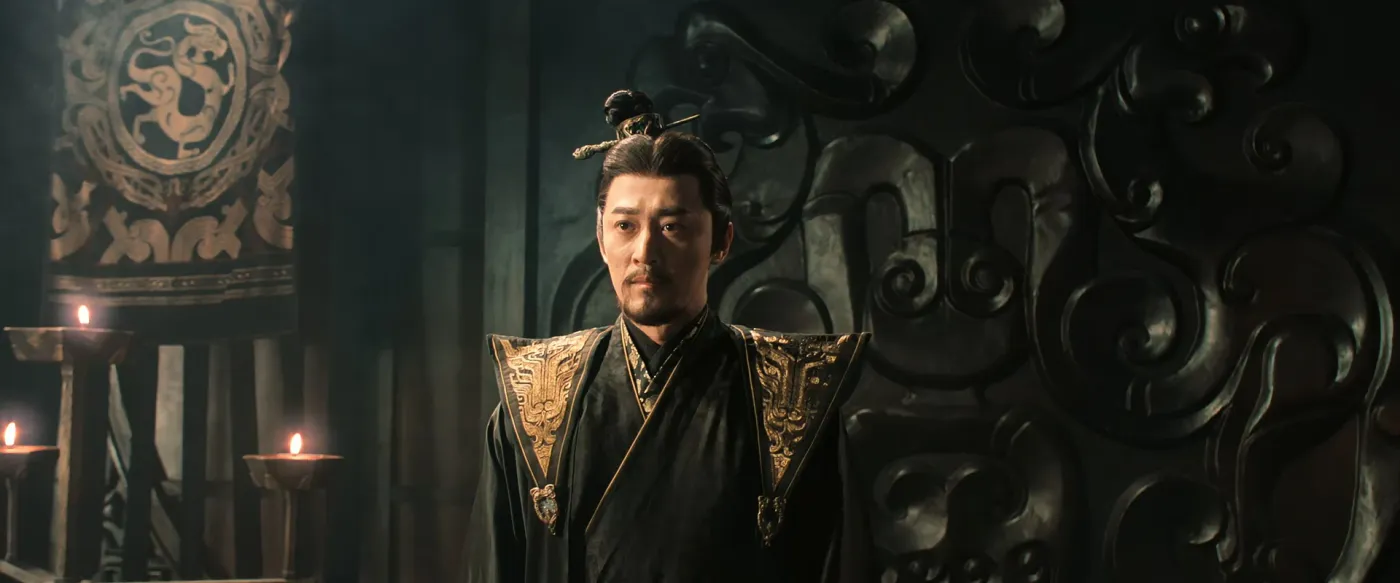
The reunion of Hong and Chiu is well conceived and full of tension. Both know full well that the impending unification of China will bring their old lives to an end. Working together again does nothing to erase years of mistrust, especially since Hong has every reason to doubt the intentions of a man who has repeatedly shown how brutal and selfish he can be. That makes the King of Qin’s story one of the few the film allows to develop properly. Galie’s story also comes to a satisfying conclusion. Her attachment to her father does more than just put them on the same side of the conflict. It shapes the way she sees the world.
Back to the Past opened on New Year’s Eve 2025 and was conceived from the start as New Year entertainment. It even ends with New Year greetings and a thank-you to fans for twenty-five years of support. Koo and Lam also recorded a new version of the series’ opening theme as a duet. The familiar faces and music are there above all to evoke nostalgia and the pleasure of seeing everyone again. There is also the familiar from other films of this kind tribute to family loyalty, friendship and sacrifice for one’s country. Nobody, then, is likely to complain about an excess of originality.
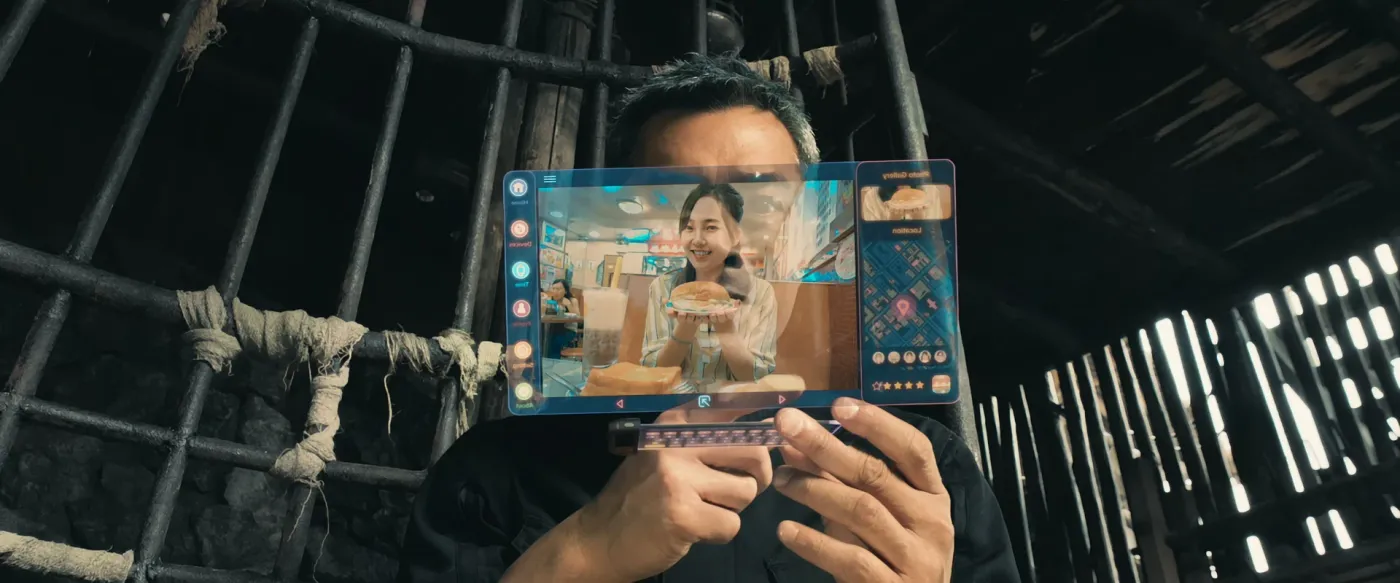
The film is just as eager to extol technological progress in China and Hong Kong. The modern-day metropolis appears only briefly, but each time it looks as though it is about to feature in an advert for its own future. Holographic phones and a motorbike that folds up small enough to fit in a pocket are among the things meant to show how advanced the city is. It is a rather curious tribute to progress when the evidence consists of inventions made up for a science fiction script. In an interview with The Culturist, the filmmakers said they also wanted the gadgets to convey how out of place Hong feels. After years in the ancient world, the policeman who used to have the edge on everyone around him thanks to his knowledge of the future is now struggling to keep up with it himself. That is a more interesting idea than another flashy gadget, but the film gives it much less attention than it devotes to the devices brought from present-day China.
Although Back to the Past reached cinemas at the end of 2025, filming took place back in 2019. The wait for its release thus lasted more than six years. The pandemic was cited as one reason for the delay. Koo also spoke of the difficulty of choosing a release date. He explained that the Hong Kong box office alone would not cover the costs, so the release had to be coordinated with the mainland market. There were also unconfirmed reports in the press of changes demanded by Chinese censors. What is known for sure is that many of the scenes shot were dropped in the edit.
Unfortunately, the shorter running time and the loss of those scenes make themselves felt in the theatrical cut. The pacing is awkward, and supporting characters often change their attitudes before the film has had a chance to explain what drives them. Ken’s conflict with the mercenaries, for instance, most likely starts because their interests are at odds, but it escalates so abruptly that the way it plays out is hard to believe. The mercenaries themselves remain caricatures, and running their unfunny jokes into the ground only prolongs the time we have to spend with them. Add a predictable plot, and the film often feels as though it is missing the scenes that should hold it together.
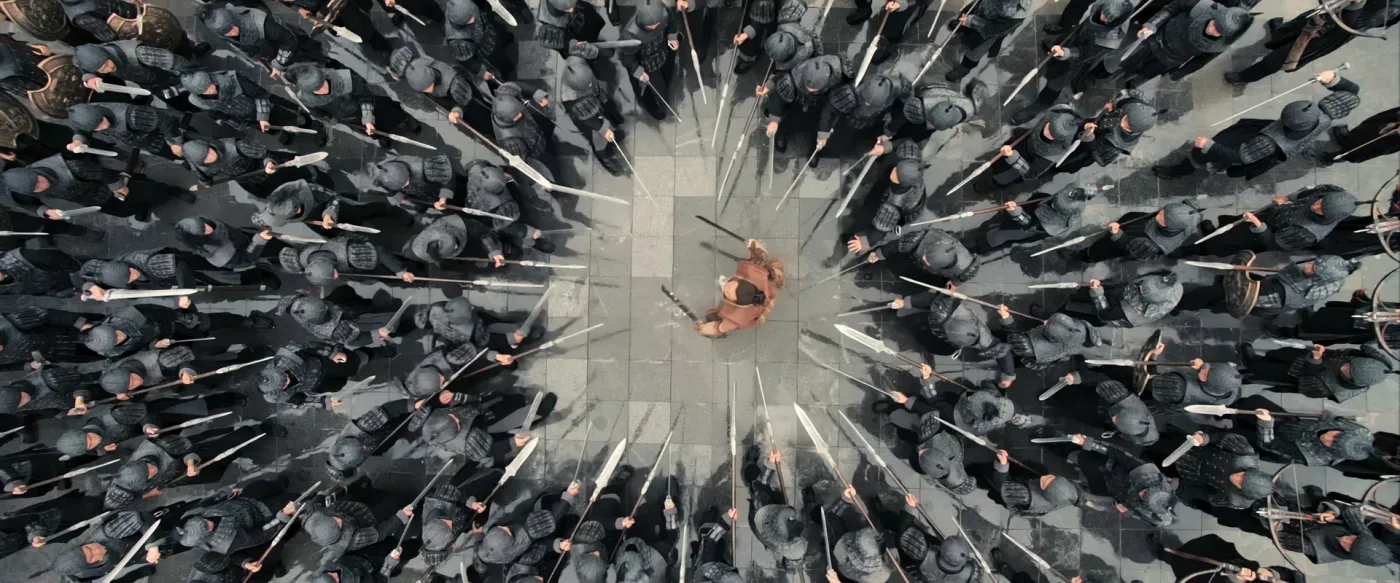
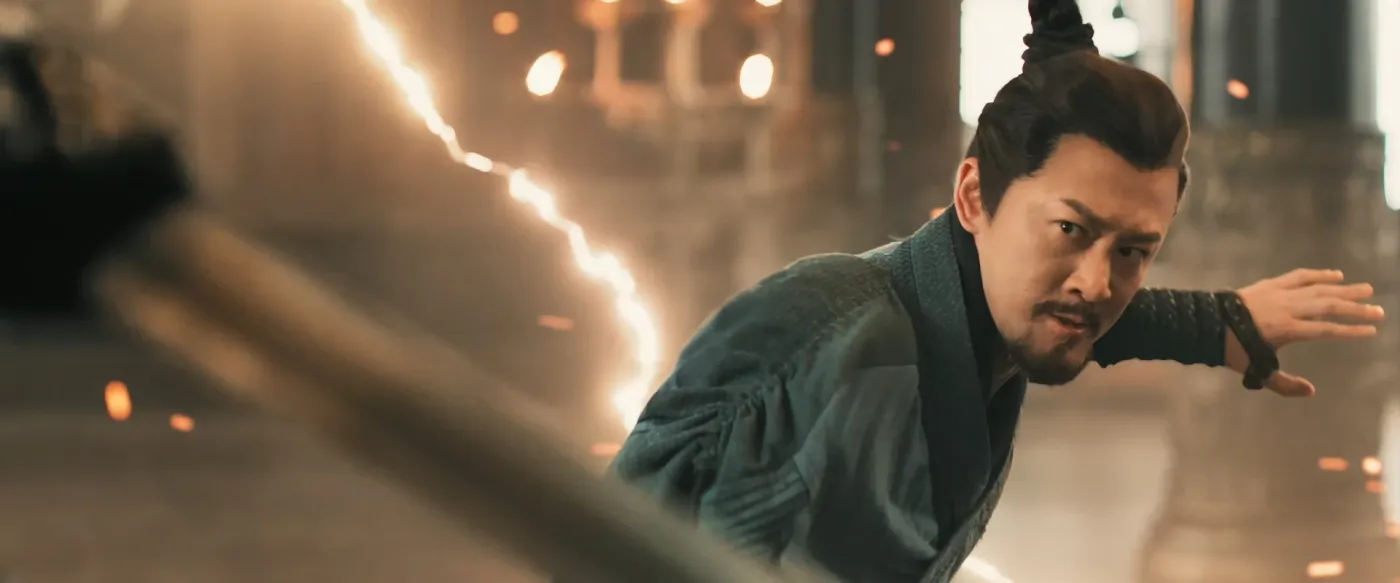
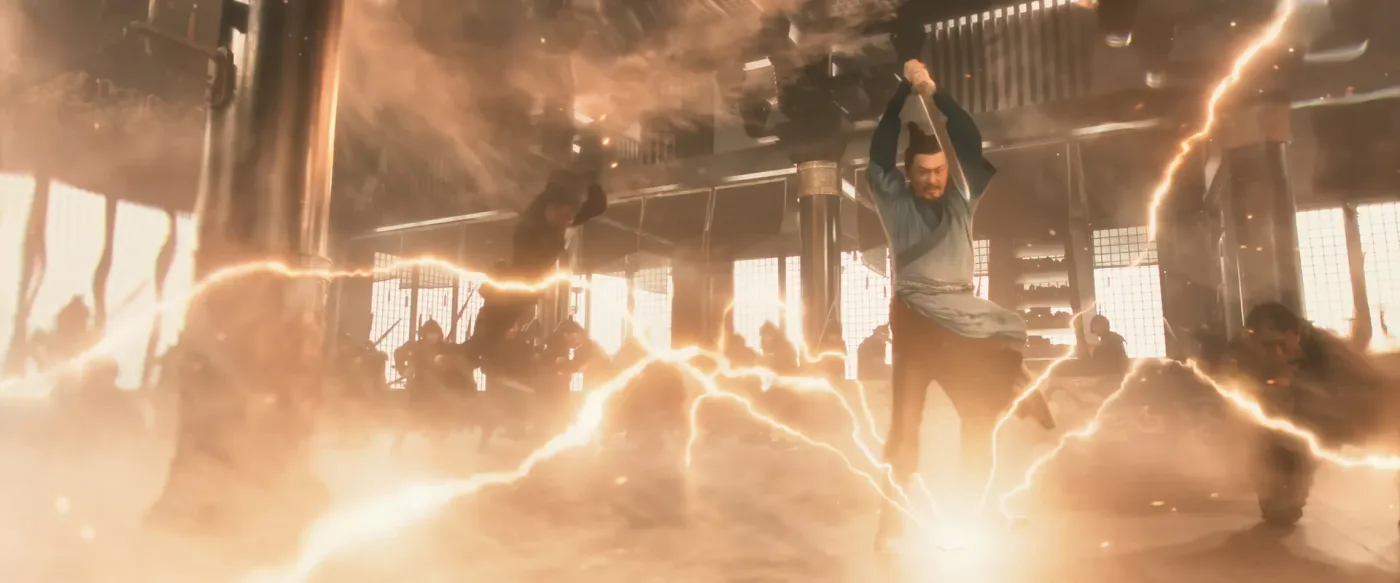
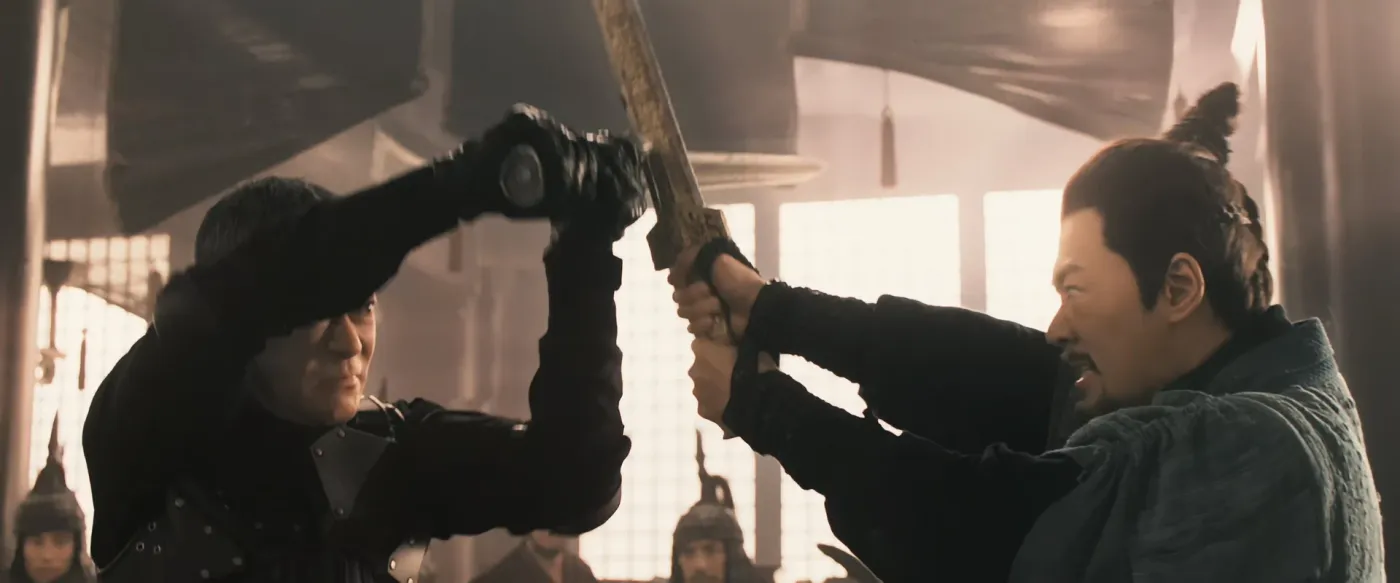
The spectacle fares little better. The computer-generated effects are poor, and the fights rarely make much of the possibilities offered by a clash between swordsmen and a squad from the future. Sammo Hung choreographed the action, and his hand is evident in the way the fights are put together. The choppy editing, however, makes it hard to see how a fight unfolds, let alone feel its rhythm. That is a particularly glaring flaw in a film that devotes so much of its running time to action scenes.
This shortened theatrical cut received no fewer than eleven nominations at the 2026 Hong Kong Film Awards. It was in the running for the top award, while Louis Koo and Joyce Tang received acting nominations. The remaining nominations were for cinematography (Kenny Tse), editing (Wong Hoi and Kenny Lok), art direction (Lam Wai-kin), costume and make-up design (Cheung Siu-hong), action choreography (Sammo Hung), music (Chan Kwong-wing, Kay Chan and Christopher Lai), sound (Terry Shek) and visual effects (Dave Kwok Wai-ting, Jules Lin, Yee Kwok-leung and Kwok Tai). It came away empty-handed.
After the release, Koo himself acknowledged that too much had been cut, leaving the plot to take overly abrupt turns and the characters’ motivations poorly explained. He pushed the studio to go back to the edit and restore, among other things, Hong’s conversations with his family and scenes featuring Sin-yau, played by Joyce Tang. The expanded Back to the Past Plus+ Multiverse Edition opened in Hong Kong cinemas on 14 February 2026. At 131 minutes, it runs 24 minutes longer than the cut under review. It was also screened in Taiwan in April. According to reports there, the new version has more family scenes and gives the supporting characters more screen time. The additions include comic moments and a fight featuring Fish Liew. The series’ distinctive musical theme was also restored to some scenes.
The shorter version has two endings. One is canonical. The other, tucked into the end credits, taps directly into nostalgia for the series and has a fair bit of emotional weight. Plus+ adds a third ending centred on the King of Qin that brings the action into the present and leaves the door open for a possible sequel. Koo also mentioned the possibility of a crossover that would bring familiar characters in combat armour into the world of Back to the Past. The Hong Kong press took this as a reference to Warriors of Future (2022), set in 2055 and also starring Koo. The idea is still at the discussion stage.
The additional scenes are a reason to choose the longer cut if both are available. Going by descriptions of Plus+ alone, it is hard to say how many of the shorter version’s problems have actually been fixed. That version remains decidedly mediocre, even if the relationship between master and pupil and the way Galie’s story ends offer more than an excuse for another fight.
In Hong Kong and Macau the film grossed nearly HK$11.3 million on its first day, setting an opening-day record for a Hong Kong production. It also drew considerable interest in Malaysia and Taiwan, among other places. The scale of its success is easier to understand when you see Back to the Past as a chance to be reunited with much-loved characters who had stayed in audiences’ minds since the series aired. The prologue lets new viewers catch up on the story, but it cannot give them the experience of having waited twenty-five years for Hong’s return. Without that wait, the film loses its greatest asset.
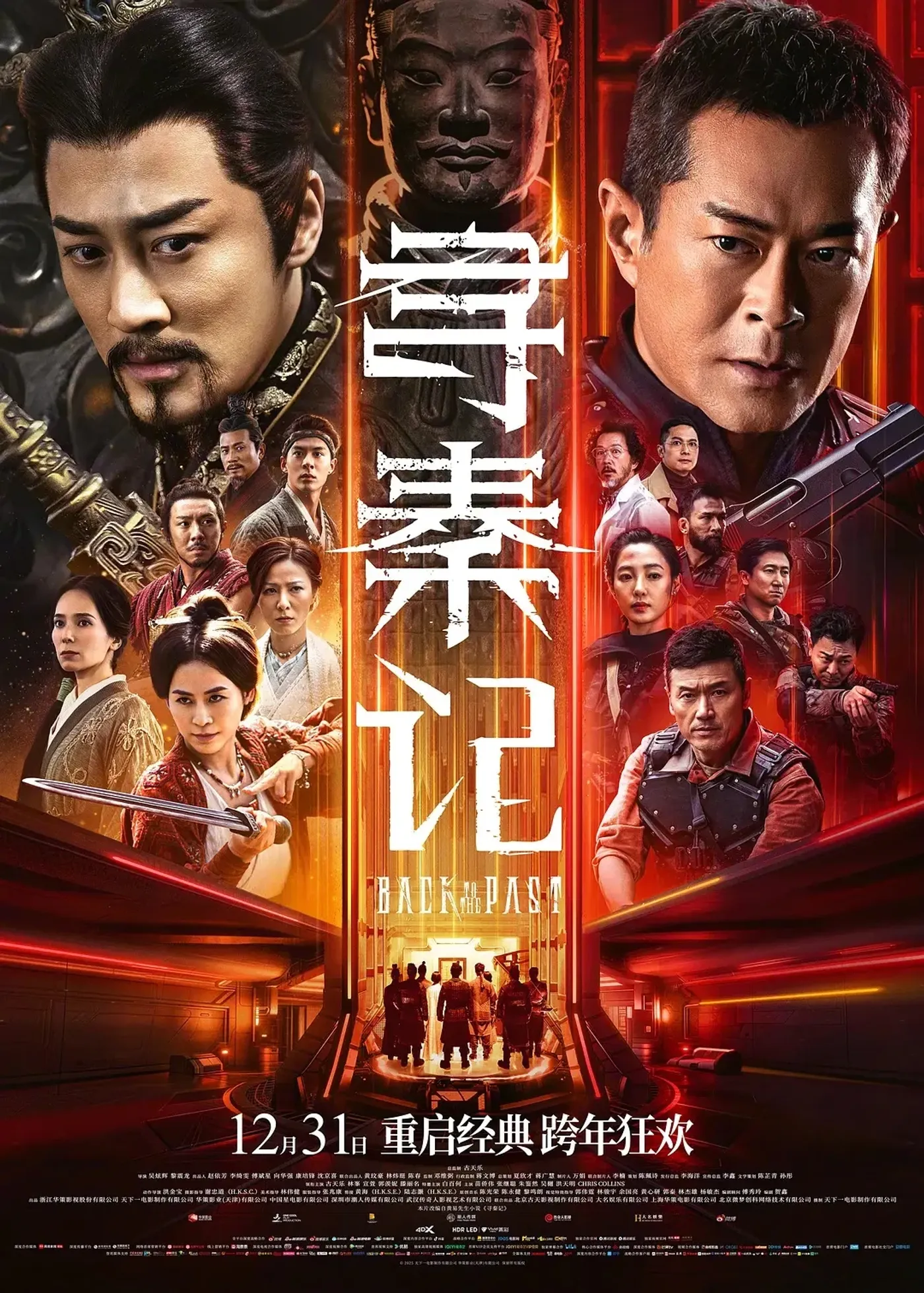
Back to the Past
尋秦記 / Xúnqínjì (lit. Chronicle of the Search for Qin)
Direction Ng Yuen-fai, Jack Lai
Screenplay Lily He
Cinematography Kenny Tse
Editing Wong Hoi, Kenny Lok
Music Chan Kwong-wing, Kay Chan, Christopher Lai
Art direction Lam Wai-kin
Costume and make-up design Cheung Siu-hong
Action choreography Sammo Hung
Sound design Terry Shek
Producers Louis Koo, Tang Wai-but
Production companies One Cool Film Production, Zhejiang Huace Film & TV, Huace Pictures (Tianjin), China Star Movie, Chao People Media, Wuhan Legendary People Film and Television Art
Production regions Hong Kong and mainland China
Year 2025
Running time 107 min (original theatrical cut), 131 min (Plus+ Multiverse Edition)
Language Cantonese
Hong Kong theatrical release 31 December 2025 (original cut), 14 February 2026 (Plus+ Multiverse Edition)
Cast Louis Koo, Raymond Lam, Jessica Hsuan, Sonija Kwok, Joyce Tang, Bai Baihe, Michael Miu, Liu Kai-chi and others.