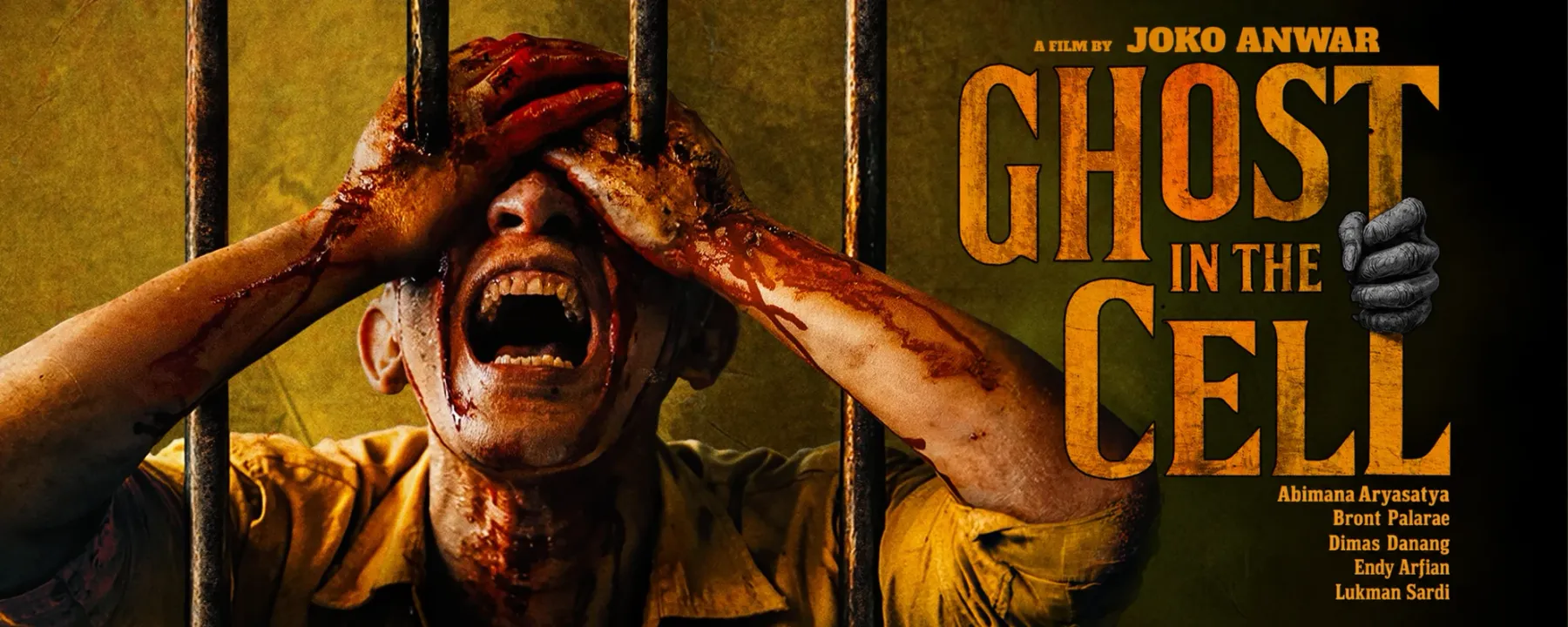
In Ghost in the Cell, Joko Anwar once again tries to combine genre cinema with social commentary. This time, the Indonesian director takes viewers inside a prison, where supernatural horror meets institutional violence, corruption, class inequality and absurdist humour. On paper, it sounds like ideal material for a filmmaker who has spent years using horror to scare audiences and to talk about Indonesian society, religion, guilt, family, social inequality and systems of oppression. In practice, it is an uneven film, with plenty of interesting ideas, a few superb images and palpable political anger. Yet it is surprisingly quick to give up on what works best at the outset.
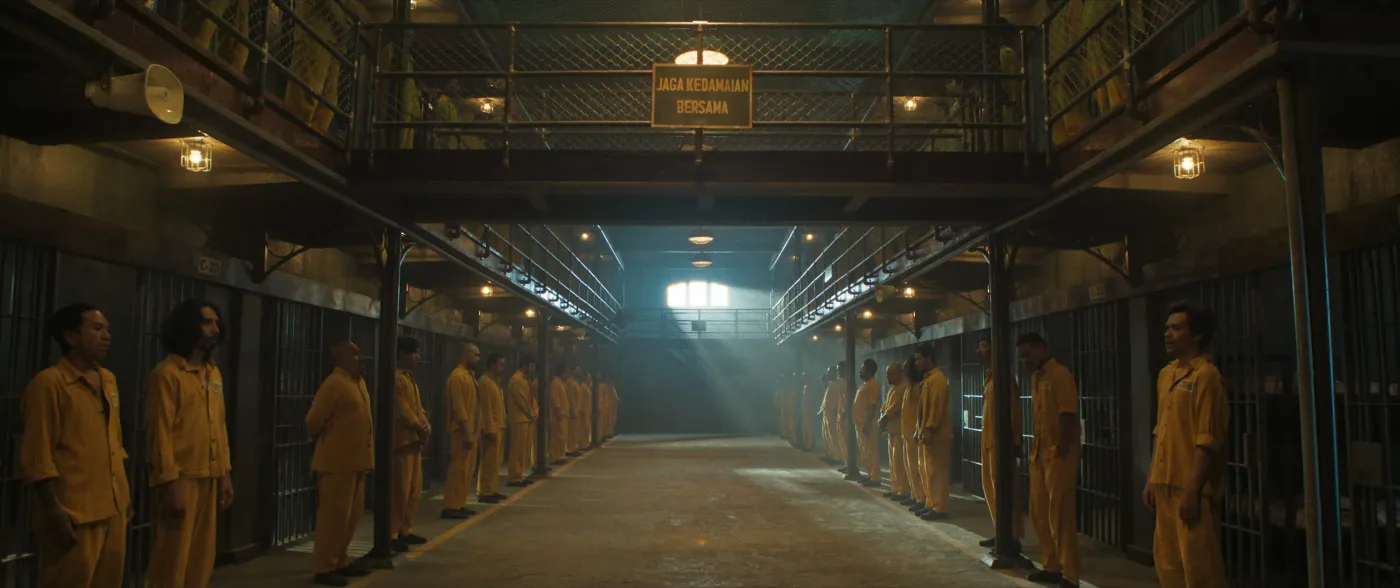
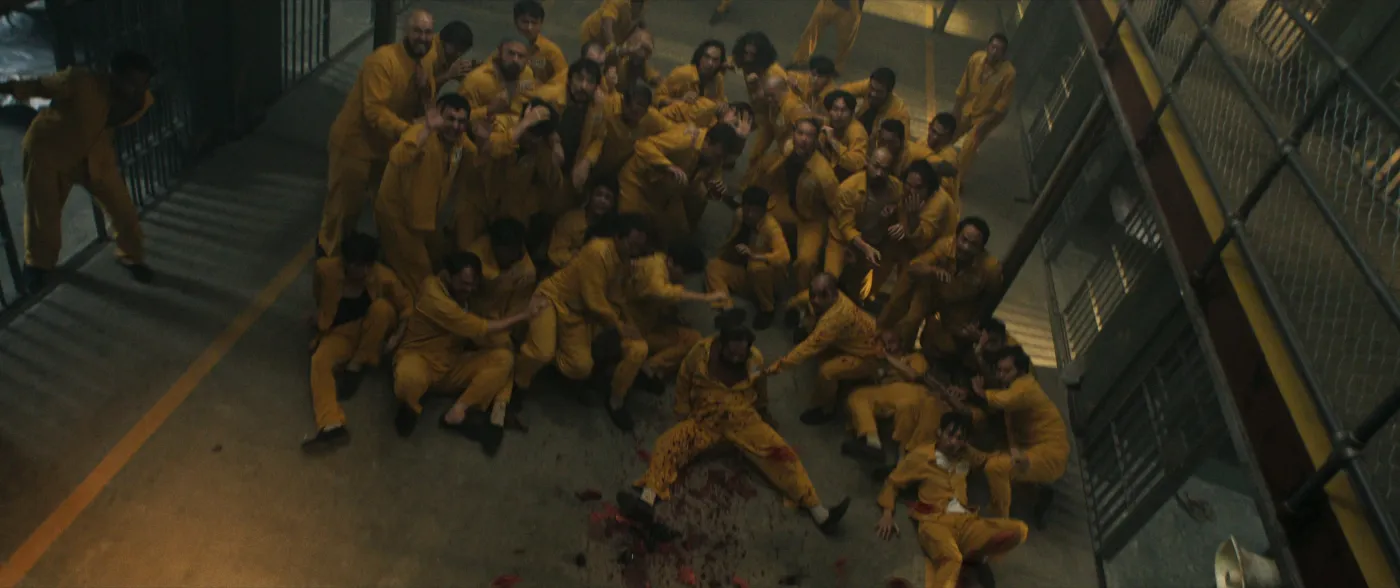
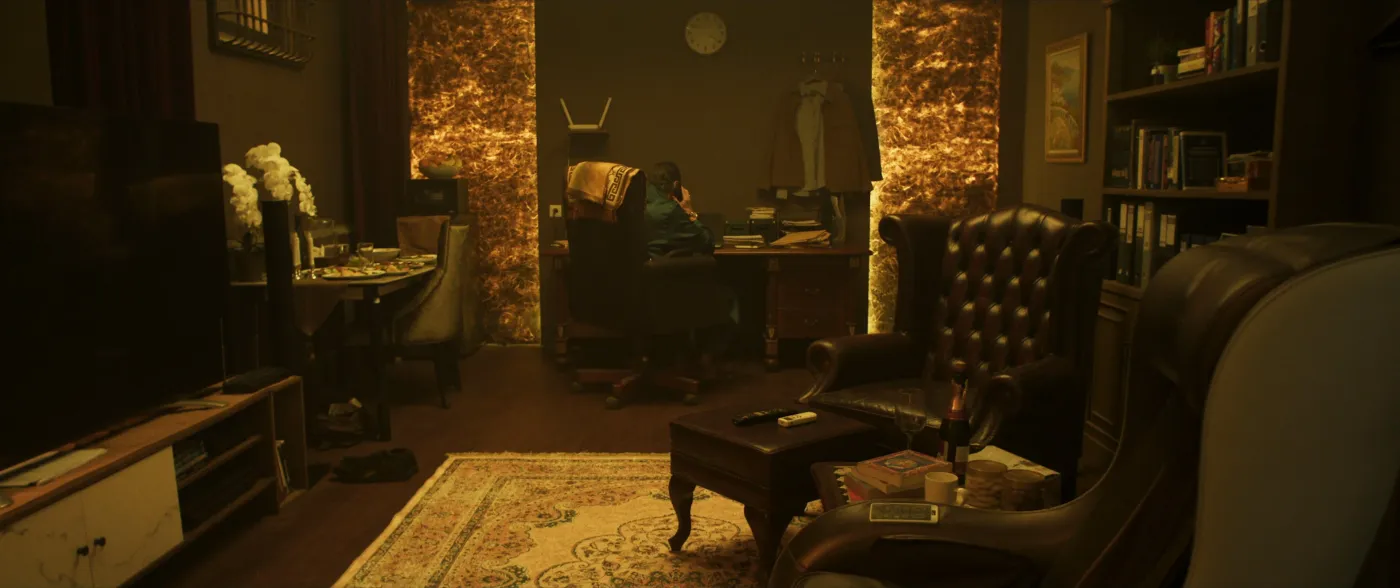
The film takes place in a prison that Anwar presents as a miniature version of society. Ordinary inmates are forced to live in brutal conditions, in filthy cells under the constant watch of the guards and at the mercy of a ruthless prison hierarchy. Influential convicts, meanwhile, can count on luxury, comfort and informal power. The divide makes clear that Ghost in the Cell is above all a story about a country where the legal system and the way punishments are handed down are both riddled with injustice and corruption. For the poor, prison is hell. For the rich and well-connected, it is just another space they can buy.
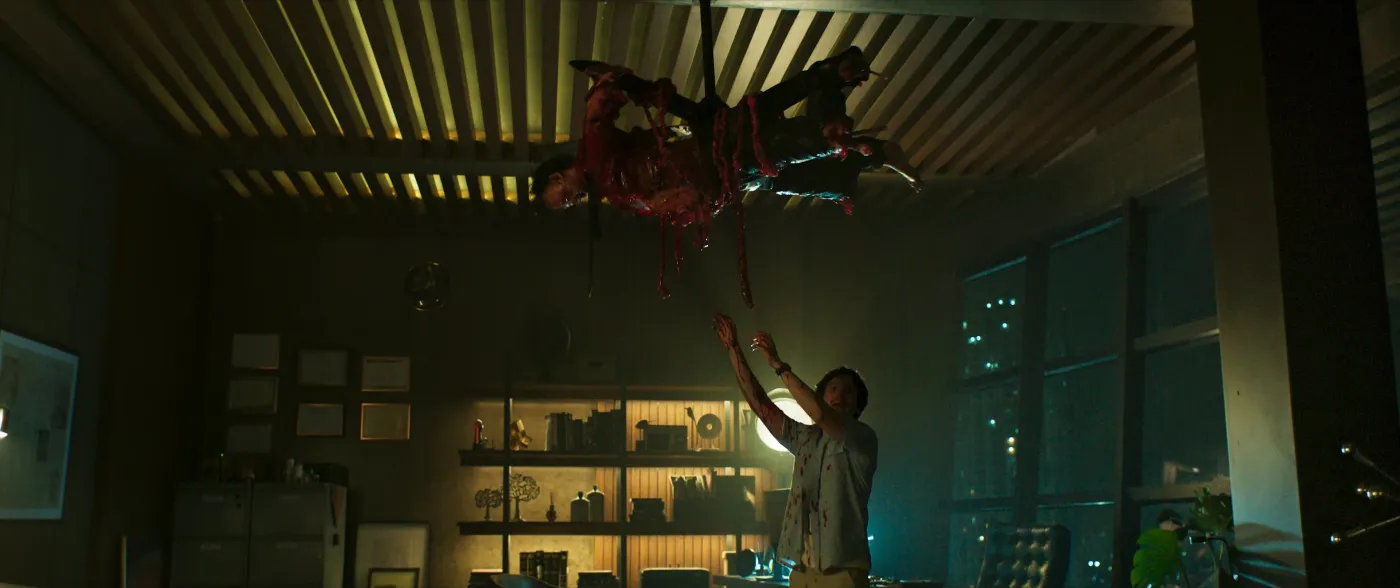
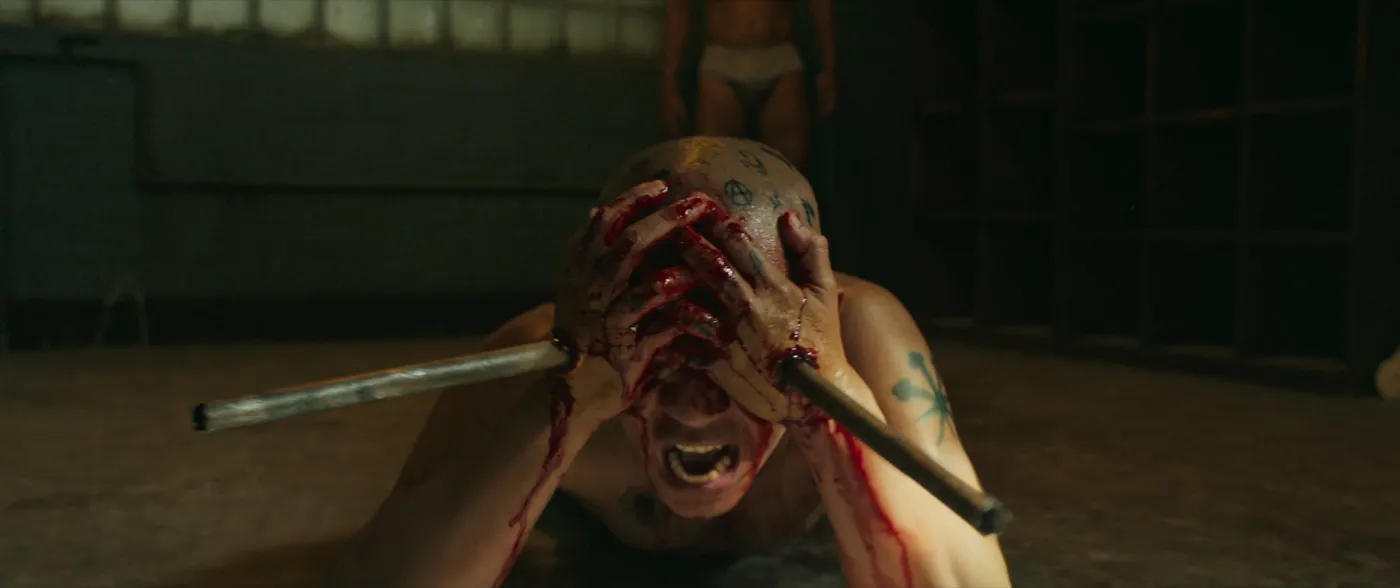
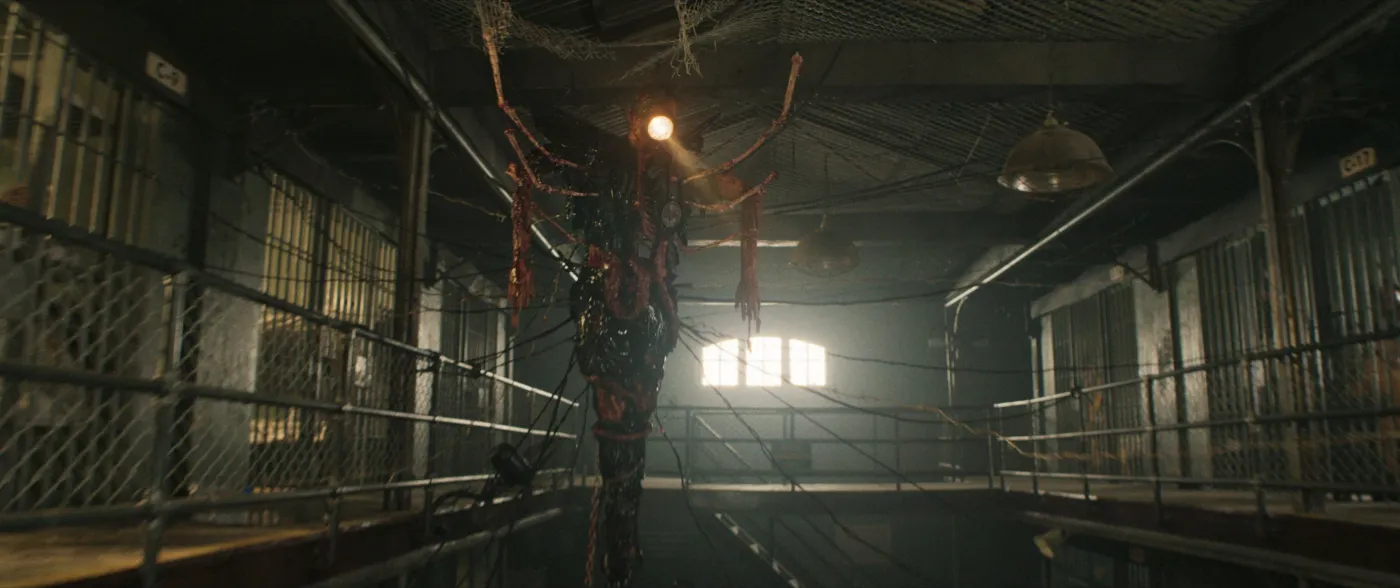
When a supernatural entity appears within the prison walls, it soon proves to be more than an ordinary monster or demon. It is a brutal mechanism for holding people to account, arriving where the law, the state and its institutions have failed. The way it murders its victims reflects their character and their misdeeds, and the killings themselves are spectacular and macabre. And carried out with a remarkable sense of artistry. The bloodthirsty creature arranges the bodies like grotesque contemporary art installations, combining gore with a feel for space and a nightmarish aesthetic. This makes the scenes showing the aftermath of the demon’s handiwork the film’s greatest strength. The first murder inside the prison is especially striking and could easily be an image from a dark occult horror film in which death is punishment, ritual and a work of art all at once. Two later deaths follow a similar logic, combining brutality with visual composition. It is a pity the film fails to develop this idea consistently. After a while, the demon simply starts flinging people against walls, as though the filmmakers had run out of ideas for equally powerful images of horror. Only the final death returns to the idea of the body as an installation.
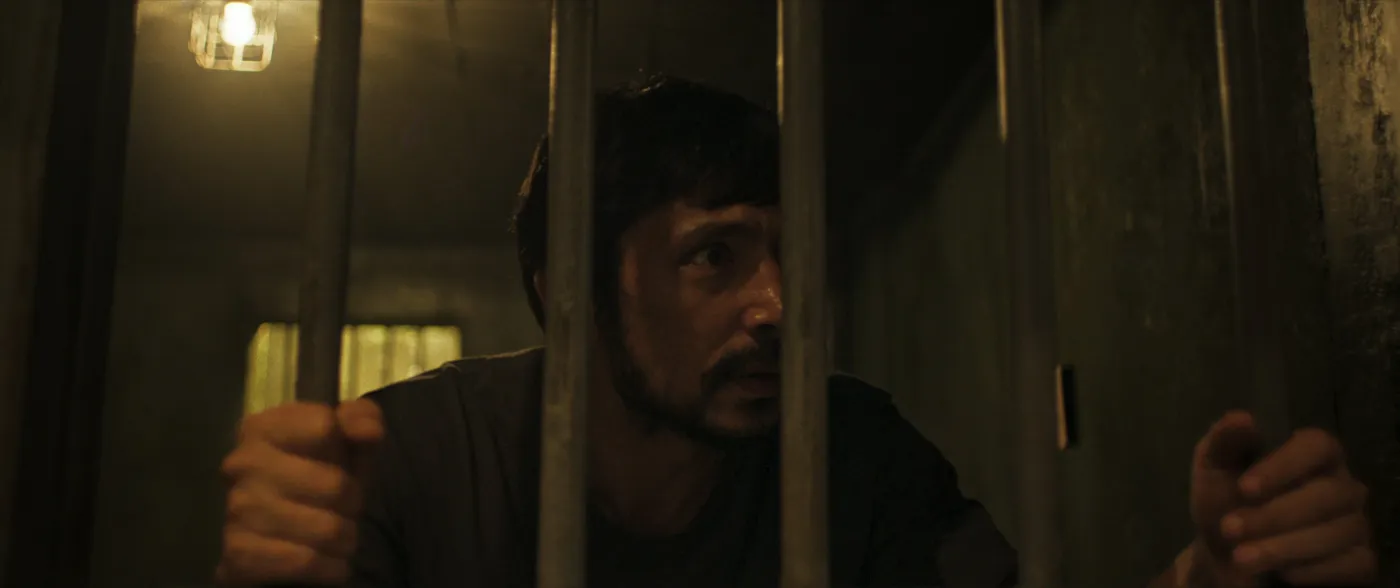
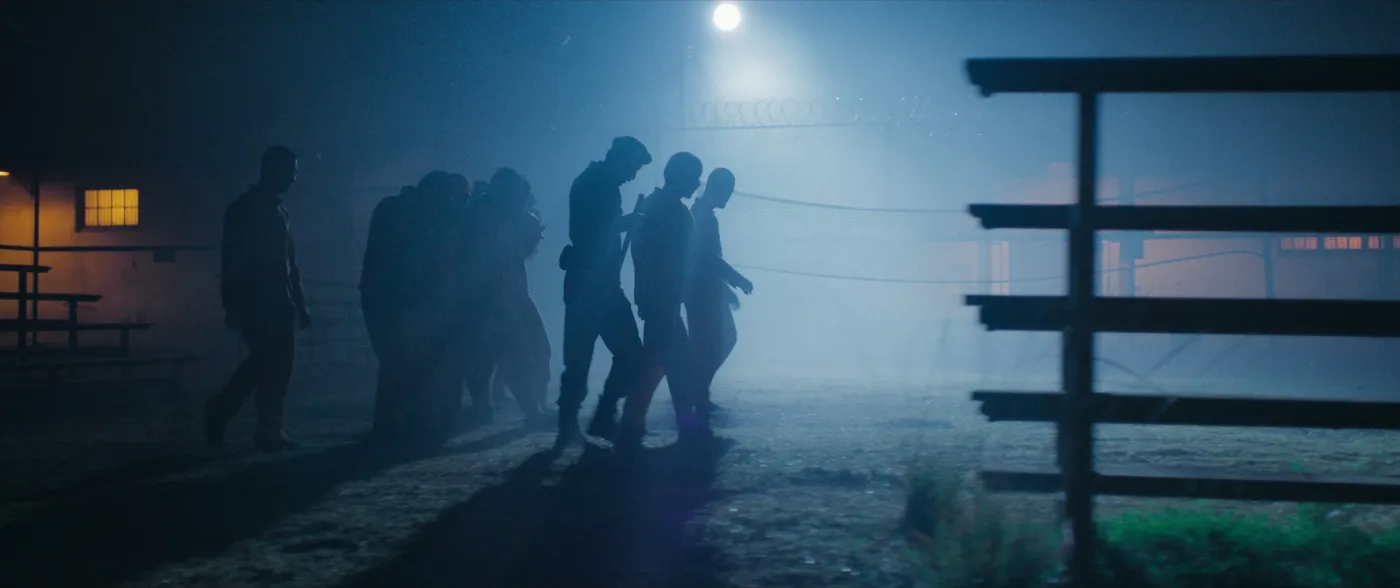
The first part of the film plays primarily as horror. Anwar builds an atmosphere of uncertainty, confinement and mounting danger. The prison is a filthy place, full of tensions, backroom deals, fear and negative energy. The succession of murders suggests we are watching a horror film about a place so morally corrupt that it begins to demand its own bloody cleansing. This is Ghost in the Cell at its most interesting. Political commentary meets the macabre, and the depiction of the prison as a microcosm of Indonesia gives the horror real social weight.
What I find most problematic, then, is the sudden switch from horror to comedy partway through a film that could have woven the two together from the outset. After the third murder, Anwar drops the horror in favour of absurdist comedy with elements of action cinema. Horror resurfaces, of course, but never again gets to stand on its own. From then on, every potentially frightening scene is surrounded by humour, gags, dancing, screams and over-the-top reactions from the inmates. That could have worked had the film built up that mixture consistently. By abruptly breaking with the tone of the earlier scenes, Anwar lets comedy take over the entire film, when it could have added another dimension to the horror.
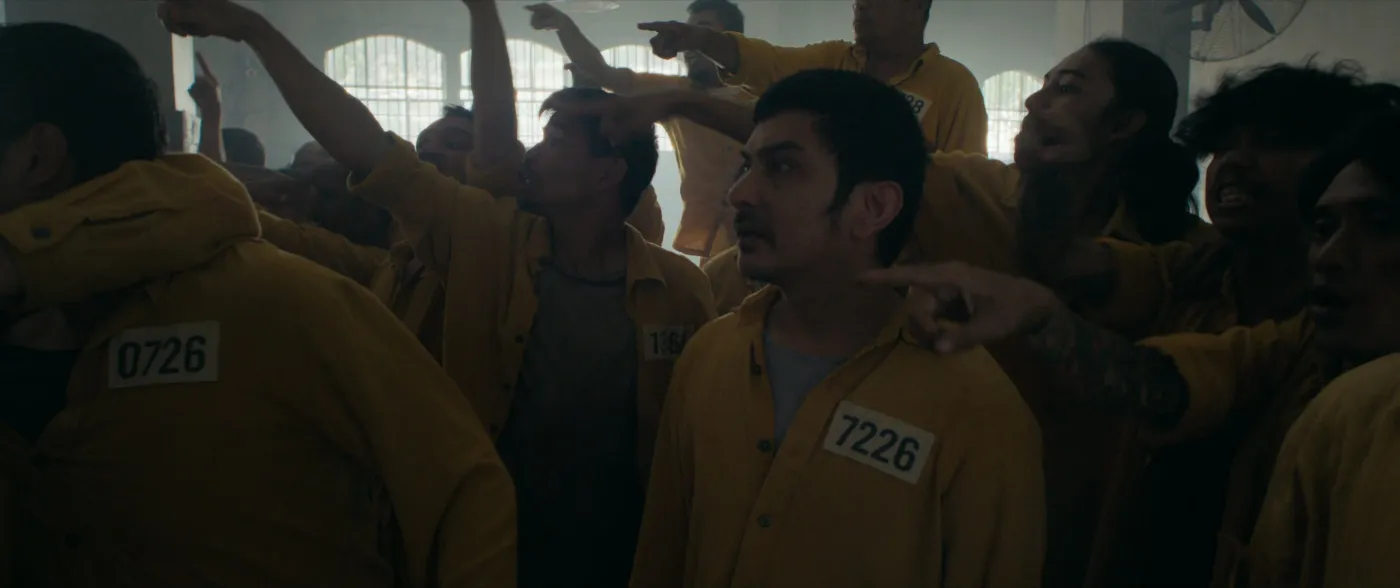
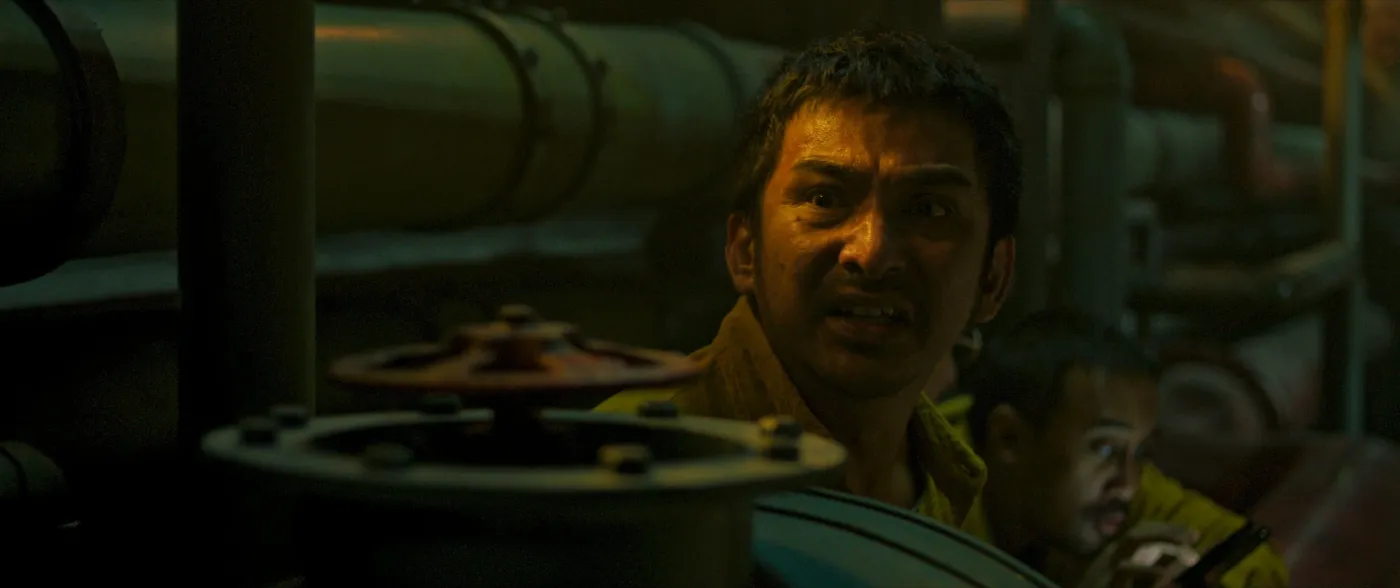
The humour does have its moments. Some of the ideas have an energy to them that suits this absurd vision of prison as a place where people have to fight a demon as well as their own fear, anger and frustration. The idea of auras is particularly interesting. One of the prisoners, an atheist (a detail worth stressing), sees colours around people and can warn them of their impending deaths. Shades of red signal danger, but interpreting the phenomenon requires the help of a religious person. This matters because Ghost in the Cell takes a much more pluralistic view of spirituality than Anwar’s earlier film, Grave Torture. At times, that film felt almost like heavy-handed Islamic propaganda. Here, Muslim prayer works. Christian prayers, dance, art, comedy and a collective release of negative energy can help too. Anwar suggests, then, that salvation can come through any act that eases hatred, fear and despair, regardless of religion or worldview.
This is one of the film’s strongest points. Ghost in the Cell can be read as a horror film about the build-up of negative social energy. Corruption, the guards’ violence, the powerlessness of the poor, the luxury enjoyed by wealthy inmates, anger, frustration and a sense of injustice all take on an almost physical substance. The demon appears for a reason. It is a response to a world that has been producing its own spiritual poison for years. Unfortunately, once the film shifts into comedy, it gives that metaphor less and less room to resonate. We still understand what Anwar is trying to say, but it stops getting under our skin.
The film also has a small queer subplot that works better than might be expected, though it has its problems. The dance instructor, who is strongly implied to be gay, is treated as a comic figure at times, and his stereotypically feminine movements sometimes provide the jokes. Even so, there is little sense that Anwar means to ridicule him. Almost everyone in this world is played for laughs sooner or later, and queerness is just one target among many. The instructor is well liked and needed, and has a real part to play in the prisoners’ community. Queer viewers might read these scenes differently, but I never felt the film treated him with contempt.
The action side is less successful. Ghost in the Cell is sometimes described as an action horror comedy, but there is surprisingly little actual action. The film features one sizeable duel and two chaotic group brawls, and it is hard to call them particularly successful. The fights serve the comedy, with choppy editing and more emphasis on mass mayhem than on precise choreography. The film never quite becomes a satisfying martial arts or prison action picture. The action is there as part of the absurdist ensemble spectacle.
Another flaw is the ending, which feels unduly rushed. The characters suddenly understand what the ghost wants and set off on their final mission, as though the film were short of time to tie up all its threads. The film could use a clearer build-up of menace, a sharper escalation and a more satisfying climax. The final death is fairly bloody and returns to the idea of the macabre installation, but it could have been far more exaggerated, drawn out and visceral. Even the more serious, straight-faced Grave Torture offered viewers a much more intense and shamelessly over-the-top final death. That kind of excess would have suited this film better, given that it has already established death as a kind of spectacular composition.
Ultimately, Ghost in the Cell is more interesting as a collection of individual ideas than as a whole. It has a very strong political core, a convincing portrait of the prison as a corrupt society in miniature, several superb macabre arrangements of bodies and a surprisingly pluralistic approach to religion and spirituality. It also has a serious problem with tone. It starts out as a horror film about a morally poisoned place, then becomes an absurdist prison comedy and never recovers its earlier weight. Humour has its place here, but it undercuts the horror too much, and the ending fails to make up for the lost tension. Had Anwar sustained the horror tone or combined it more skilfully with comedy from the outset, Ghost in the Cell could have been one of his most interesting films. As it stands, it is an uneven, though at times highly inventive, horror satire whose strongest images work considerably better than its dramatic structure.
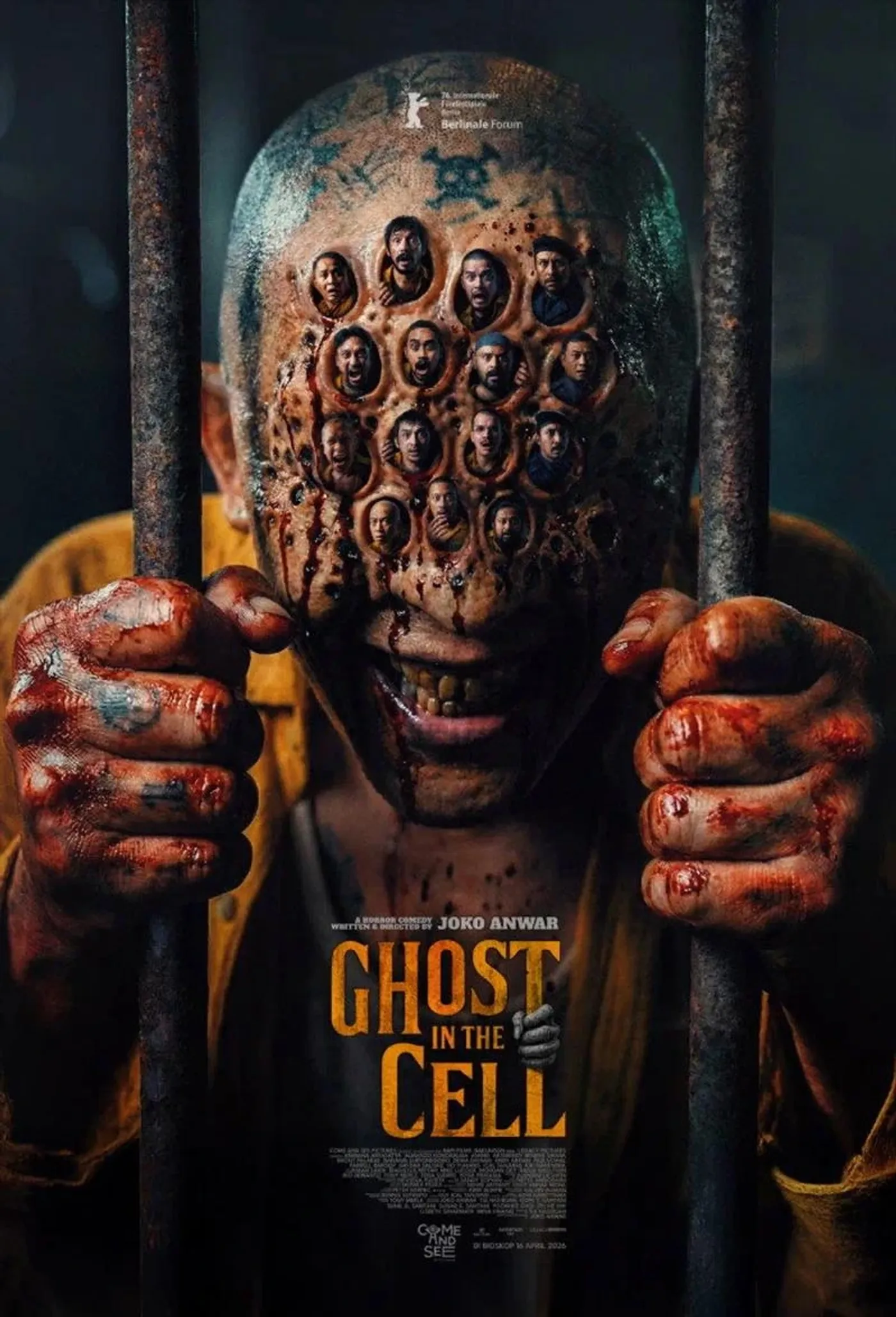
Ghost in the Cell
Hantu Dalam Sel
Direction, screenplay and editing: Joko Anwar
Cinematography: Ical Tanjung
Music: Aghi Narottama, Tony Merle
Production design: Dennis Sutanto
Sound: Peter Bawiec
Producer: Tia Hasibuan
Production companies: Come and See Pictures, Rapi Films, Barunson E&A, Legacy Pictures
Countries: Indonesia / South Korea
Year: 2026
Running time: 106 min
Language: Indonesian
Indonesian theatrical release: 16 April 2026
Cast: Abimana Aryasatya, Endy Arfian, Bront Palarae, Morgan Oey, Lukman Sardi, Danang Suryonegoro, Aming, Yoga Pratama, Kiki Narendra, Rio Dewanto, Tora Sudiro and others.